Page Navigation
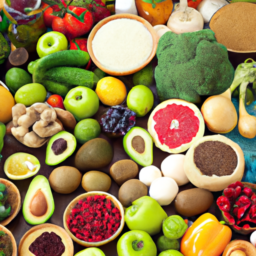
In this article, you will embark on a captivating exploration of nature’s nutritional marvels – superfoods. These extraordinary gifts from the earth have been cherished for their exceptional health benefits and have gained global attention for their nutrient-rich properties. Through the lens of scientific research and ancient wisdom, you will uncover the secrets behind superfoods, learning how they can optimize your well-being and provide essential nutrients that promote vitality and longevity. Prepare to unlock nature’s treasures and embark on a journey towards a healthier, more vibrant life.
Chapter 1: What are Superfoods?
Subheading 1: Definition of Superfoods
Superfoods are a distinct group of nutrient-dense foods that offer exceptional health benefits due to their high concentration of vitamins, minerals, antioxidants, and other bioactive compounds. These foods are regarded as nutritional powerhouses and have gained tremendous popularity in recent years due to their potential to enhance overall well-being.
Subheading 2: Characteristics of Superfoods
Superfoods share several common characteristics that set them apart from regular foods. Firstly, they are packed with essential nutrients, including vitamins, minerals, fiber, and healthy fats. Additionally, they are often rich in antioxidants, which help combat oxidative stress and reduce the risk of chronic diseases. Furthermore, they typically have a low calorie density, making them ideal for weight management and promoting satiety.
Subheading 3: Popular Examples of Superfoods
Numerous foods fall into the category of superfoods, each offering its unique set of health benefits. Some well-known examples include berries such as blueberries and strawberries, leafy greens like spinach and kale, nuts and seeds such as almonds and chia seeds, whole grains like quinoa and oats, fatty fish such as salmon and sardines, and herbs and spices like turmeric and ginger.
Chapter 2: The Health Benefits of Superfoods
Subheading 1: Improving Overall Health
Incorporating superfoods into your diet can have a significant positive impact on your overall health. These nutrient-dense foods provide a wide array of essential vitamins and minerals that are vital for proper bodily functions. By consuming superfoods regularly, you can ensure that your body has the necessary nutrients to support optimal health and well-being.
Subheading 2: Boosting Immunity
Many superfoods are known for their immune-boosting properties. For example, citrus fruits like oranges and grapefruits are rich in vitamin C, which plays a crucial role in strengthening the immune system. Additionally, superfoods like garlic and mushrooms contain compounds that enhance immune function and help fight off infections.
Subheading 3: Preventing Chronic Diseases
One of the most significant benefits of consuming superfoods is their potential to prevent chronic diseases. Many superfoods are rich in antioxidants and anti-inflammatory compounds that can help reduce the risk of conditions such as heart disease, diabetes, and certain types of cancer. For instance, the antioxidants found in berries have been shown to protect against oxidative stress and promote cardiovascular health.
Subheading 4: Aiding in Weight Management
If you are looking to manage your weight effectively, incorporating superfoods into your diet can be highly beneficial. Superfoods are typically low in calories but packed with essential nutrients, making them a great choice for satisfying your hunger while maintaining a calorie deficit. Additionally, the fiber content in many superfoods helps promote feelings of fullness and prevents overeating.
Subheading 5: Enhancing Digestive Health
Superfoods can also play a crucial role in improving digestive health. Many superfoods, such as leafy greens and whole grains, are rich in fiber, which aids in digestion and promotes regular bowel movements. Additionally, some superfoods, like yogurt and kefir, contain beneficial probiotics that support a healthy gut microbiome and enhance digestion.
Subheading 6: Promoting Mental Wellness
It is essential to prioritize mental well-being, and superfoods can contribute to this aspect of our health as well. Certain superfoods, such as fatty fish rich in omega-3 fatty acids, have been shown to support brain health and reduce the risk of mental decline and mood disorders. Moreover, superfoods like dark chocolate and berries contain antioxidants that can improve cognitive function and promote positive mental well-being.
Chapter 3: Exploring the Types of Superfoods
Subheading 1: Berries and Other Fruits
Berries, such as blueberries, strawberries, and raspberries, are renowned for their high antioxidant content. These small fruits are packed with vitamins, minerals, and fiber, making them an excellent addition to any diet. Additionally, other fruits like oranges, apples, and pomegranates also possess superfood properties and offer a wide range of health benefits.
Subheading 2: Leafy Greens and Cruciferous Vegetables
Leafy greens such as spinach, kale, and Swiss chard are rich in essential nutrients like iron, calcium, and vitamins A and K. These superfoods promote bone health, support healthy vision, and contribute to overall well-being. Cruciferous vegetables, including broccoli, cauliflower, and Brussels sprouts, are also considered superfoods due to their high concentration of beneficial compounds that have been linked to cancer prevention.
Subheading 3: Nuts, Seeds, and Legumes
Nuts, seeds, and legumes are excellent sources of protein, healthy fats, fiber, and a variety of other essential nutrients. Almonds, walnuts, chia seeds, flaxseeds, and lentils are a few examples of superfoods in this category. These foods promote heart health, aid in weight management, and provide a sustainable source of energy.
Subheading 4: Whole Grains and Pseudocereals
Whole grains like quinoa, brown rice, and oats are packed with fiber, vitamins, and minerals, making them valuable additions to a healthy diet. Pseudocereals, such as amaranth and buckwheat, offer similar benefits and are often gluten-free alternatives. These superfoods provide sustained energy, support healthy digestion, and help regulate blood sugar levels.
Subheading 5: Fish and Seafood
Fatty fish like salmon, mackerel, and sardines are rich in omega-3 fatty acids, which are essential for brain health and heart function. These superfoods also contain high-quality protein, vitamins, and minerals. Regular consumption of fish and seafood can help reduce the risk of heart disease, decrease inflammation, and support overall well-being.
Subheading 6: Dairy and Dairy Alternatives
Dairy products like yogurt and kefir are excellent sources of calcium, protein, and probiotics that promote bone health and support digestion. For those who are lactose intolerant or prefer non-dairy options, dairy alternatives such as almond milk and soy yogurt are fortified with essential nutrients and can also be considered superfoods.
Subheading 7: Herbs and Spices
Herbs and spices are not only flavorful additions to meals but also offer various health benefits. Examples of superfood herbs and spices include turmeric, ginger, garlic, cinnamon, and rosemary. These superfoods possess antioxidant, anti-inflammatory, and antimicrobial properties, supporting overall health and providing unique flavors to dishes.
Subheading 8: Other Unconventional Superfoods
In addition to the more commonly recognized superfoods, there are also several unconventional options that offer remarkable health benefits. These include spirulina, a nutrient-rich algae, and moringa, a tree leaf packed with vitamins and minerals. These lesser-known superfoods provide unique nutritional profiles and can be valuable additions to a well-rounded diet.
Chapter 4: How to Incorporate Superfoods into Your Diet
Subheading 1: Meal Planning with Superfoods
Incorporating superfoods into your meal planning can be a straightforward and effective way to reap their benefits. Start by researching and identifying the superfoods that align with your taste preferences and dietary goals. Plan your meals around these foods, ensuring they are included in a variety of ways, such as smoothies, salads, or main dishes.
Subheading 2: Superfood Smoothies and Juices
One popular way to incorporate superfoods into your diet is through smoothies and juices. Blend together a combination of fruits, leafy greens, and superfood additions like chia seeds or turmeric to create a nutrient-packed beverage that can be enjoyed as a meal or snack.
Subheading 3: Superfood Snacks and Energy Bars
Superfoods can also be enjoyed on the go as snacks or energy bars. Opt for snacks like a handful of mixed nuts and seeds, trail mix containing dried fruits and superfood grains, or energy bars made with ingredients like dates, nuts, and dark chocolate. These portable options offer a convenient way to fuel your body with essential nutrients throughout the day.
Subheading 4: Superfood Salads and Bowls
Superfood salads and bowls can be a delicious and satisfying way to incorporate a variety of nutrient-dense ingredients into your meals. Combine leafy greens, a selection of colorful vegetables, whole grains or pseudocereals, lean proteins like grilled chicken or tofu, and top with a superfood-rich dressing or a sprinkle of seeds for added nutrition.
Subheading 5: Superfood-infused Main Dishes
Experimenting with superfoods in your main dishes can elevate the nutritional value and flavor profile of your meals. Incorporate superfoods such as lentils or quinoa into a hearty stir-fry, use whole grain pasta or zoodles in pasta dishes, or incorporate fatty fish into seafood recipes. These additions will provide an extra nutritional boost to your meals.
Subheading 6: Superfood Desserts
Who says desserts can’t be healthy? Superfoods can also be used to create delicious and guilt-free desserts. For example, use dark chocolate, berries, or avocado to make a rich and nutrient-rich mousse or pudding. Replace refined sugar with natural sweeteners like dates or maple syrup, and experiment with healthier flours like almond flour in baked goods.
Chapter 5: Potential Risks and Considerations
Subheading 1: Allergies and Food Interactions
While superfoods offer numerous health benefits, it is essential to consider and be aware of potential allergies or interactions with certain medications. Some superfoods, like nuts and shellfish, can trigger allergies in susceptible individuals. Additionally, certain medications may interact with compounds found in superfoods, so it is crucial to consult with a healthcare professional if you have any concerns.
Subheading 2: Overconsumption and Nutrient Imbalance
Although superfoods are highly nutritious, it is crucial not to overconsume them. Excessive consumption of certain superfoods can lead to an imbalance in certain nutrients. For example, consuming large amounts of goji berries can cause vitamin A toxicity. Maintaining a balanced diet that includes a variety of superfoods is the key to maximizing their benefits.
Subheading 3: Environmental Impact and Sustainability
As the popularity of superfoods grows, it is essential to consider the environmental impact and sustainability of their production and consumption. Practices such as unsustainable farming methods or overfishing can have detrimental effects on the environment. Choosing organic, locally sourced superfoods and supporting sustainable farming practices can help mitigate these concerns.
Chapter 6: Future Trends and Innovations in Superfoods
Subheading 1: Superfoods as Functional Foods
The concept of functional foods, which provide additional health benefits beyond basic nutrition, is gaining traction. Superfoods are well-positioned to be at the forefront of this trend, with ongoing research focusing on their potential to target specific health conditions and optimize well-being.
Subheading 2: Genetic Engineering and Biofortification
Advancements in genetic engineering and biofortification techniques offer exciting prospects for superfoods. Scientists are exploring ways to enhance the nutritional profiles of superfoods further and optimize their health benefits. Biofortification involves increasing the content of specific nutrients in crops during the cultivation process, potentially addressing nutrient deficiencies in populations.
Subheading 3: Cultured Meat and Plant-Based Superfoods
The rise of plant-based diets and the development of cultured meat present new possibilities for superfoods. Plant-based superfoods, such as tofu and tempeh, are becoming increasingly popular as meat substitutes, offering a sustainable and nutritious alternative. Additionally, the cultivation of meat in labs opens the door to the creation of nutrient-dense, superfood-infused meat products.
Subheading 4: Sustainable Farming Practices
As concerns about the environment continue to grow, the adoption of sustainable farming practices becomes crucial for the future of superfoods. Organic farming, regenerative agriculture, and vertical farming are innovative approaches that prioritize sustainability, biodiversity, and soil health. These practices not only minimize the environmental impact but also contribute to the nutritional quality of superfoods.
Subheading 5: Superfoods in Space Exploration
As humans venture further into space exploration, the need for nutrient-dense, long-lasting foods becomes imperative. Superfoods provide an excellent solution due to their nutritional density and potential to offer a broad spectrum of essential nutrients. Research is ongoing to determine the most suitable superfoods for space missions, ensuring that astronauts receive optimal nutrition in the harsh conditions of space.
Chapter 7: Conclusion
Superfoods serve as nature’s nutritional marvels, offering a vast array of health benefits and playing a pivotal role in enhancing overall well-being. From improving overall health and boosting immunity to preventing chronic diseases and promoting mental wellness, superfoods have something to offer everyone. By exploring the different types of superfoods and finding creative ways to incorporate them into your diet, you can unlock their true potential and support a healthier, more vibrant life. As ongoing research and innovation continue to drive the field of superfoods, the future holds incredible possibilities for even greater advancements in nutrition and sustainability. The journey of unlocking the treasures of superfoods has only just begun, and the potential for transformative benefits for individuals and the planet is truly extraordinary.