Page Navigation
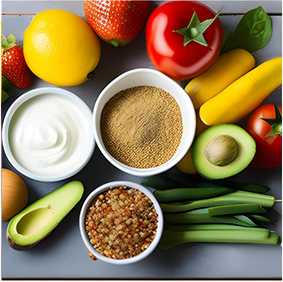
Indulge in a delectable journey of pure flavor as “Nourish From Nature” takes you on a culinary exploration of vibrant plant-based delights. Immerse yourself in a world where taste and nutrition harmoniously converge, offering a palette of exquisite dishes that not only nourish your body, but also tantalize your senses. Experience the artful combination of nature’s freshest ingredients, skillfully crafted into vibrant, plant-based masterpieces that will leave you craving more. Be prepared to embark on a gastronomic adventure like no other, where every bite not only fuels your body, but also celebrates the bountiful offerings of the natural world.
Benefits of a Plant-Based Diet
Improved health
A plant-based diet offers numerous health benefits. By focusing on whole foods like fruits, vegetables, grains, and legumes, you increase your intake of vitamins, minerals, and antioxidants. These nutrients can help lower the risk of chronic diseases such as heart disease, diabetes, and certain types of cancer. Plant-based diets are also typically lower in saturated fat and cholesterol, helping to promote a healthy cardiovascular system. Additionally, a plant-based diet can contribute to weight management and improved digestion, thanks to the high fiber content.
Sustainability
Choosing a plant-based diet also has a positive impact on the environment. Animal agriculture is a significant contributor to greenhouse gas emissions, deforestation, and water pollution. By reducing or eliminating animal products from your diet, you can help conserve resources, reduce carbon footprint, and mitigate the effects of climate change. Plant-based diets require less land, water, and energy compared to animal-based diets, making them a more sustainable choice for the planet.
Ethical considerations
For many individuals, the decision to adopt a plant-based diet is driven by ethical concerns. Animals raised for food often endure inhumane conditions on factory farms. By consuming plant-based foods, you can align your dietary choices with compassion and reduce the demand for animal products from these intensive farming practices. Choosing plant-based alternatives can promote animal welfare and contribute to a more compassionate world.
Exploring the World of Plant-Based Ingredients
Variety of fruits and vegetables
One of the joys of a plant-based diet is the wide variety of fruits and vegetables available to experiment with. From colorful berries and tropical fruits to leafy greens and root vegetables, the options are endless. Each fruit and vegetable brings its unique flavor, texture, and nutritional profile to your plate, ensuring a diverse and well-rounded diet. Focusing on seasonal produce also allows you to support local farmers and enjoy the freshest ingredients.
Healthy grains and legumes
Grains and legumes are staple ingredients in a plant-based diet, providing an excellent source of complex carbohydrates, plant-based protein, and dietary fiber. Whole grains like quinoa, brown rice, and oats are rich in vitamins, minerals, and antioxidants. Legumes such as lentils, chickpeas, and black beans offer a substantial amount of protein, making them a valuable addition to vegetarian and vegan meals. These versatile ingredients can be used in various dishes, from hearty soups and stews to flavorful salads and grain bowls.
Nuts and seeds
Nuts and seeds are nutritional powerhouses in a plant-based diet. Packed with healthy fats, protein, and essential vitamins and minerals, they offer a satisfying crunch and a wealth of health benefits. Almonds, walnuts, and cashews are commonly used in both savory and sweet dishes, while chia seeds, flaxseeds, and hemp seeds add a nutrient boost to smoothies, cereals, and baked goods. Adding a variety of nuts and seeds to your meals not only enhances flavor but also provides essential nutrients for optimal health.
Creating Flavors with Plant-Based Cooking Techniques
Roasting and grilling
Roasting and grilling are cooking techniques that can bring out the natural flavors of plant-based ingredients. By applying heat, you can caramelize sugars, intensify flavors, and create a delicious smoky taste. Roasting vegetables like Brussels sprouts, cauliflower, or sweet potatoes enhances their sweetness and adds a crisp texture. Grilling vegetables like bell peppers, zucchini, and eggplant imparts a smoky flavor and tenderizes the flesh. These techniques elevate your dishes, making them more appealing and flavorful.
Stir-frying and sautéing
Stir-frying and sautéing are quick and versatile methods of cooking plant-based meals. With a hot pan and a small amount of oil, you can cook a variety of vegetables, tofu, and tempeh to perfection. The high heat allows for rapid cooking, preserving the vibrant colors and crispiness of the ingredients. Stir-frying also retains the nutrients, as the cooking time is minimal. This technique is perfect for creating stir-fry dishes, noodle bowls, and flavorful vegetable medleys.
Blending and pureeing
Blending and pureeing open up a world of possibilities for creating creamy sauces, dips, and dressings in a plant-based diet. With a blender or food processor, you can transform ingredients like avocado, cashews, and roasted vegetables into smooth and velvety textures. This technique is ideal for making dairy-free creams, nut butters, and flavorful spreads. Blending and pureeing also provide opportunities to incorporate more vegetables into your meals, making them more enjoyable for those who may be hesitant about eating them in their whole form.
Plant-Based Protein Sources to Satisfy Your Palate
Beans and lentils
Beans and lentils are excellent sources of plant-based protein and essential nutrients. They are versatile ingredients commonly used in various cuisines worldwide. From black beans and chickpeas to red lentils and kidney beans, the options are diverse and ensure abundant flavors and textures. Incorporating beans and lentils into your meals provides a substantial source of protein, fiber, and minerals like iron and potassium. Whether enjoyed in soups, stews, salads, or even burgers, beans and lentils add a nutritional punch to any plant-based dish.
Tofu and tempeh
Tofu and tempeh are popular plant-based protein alternatives made from soybeans. Tofu, a delicately textured product, can be sliced, cubed, or crumbled to mimic different textures in a variety of dishes. It easily absorbs flavors from marinades, making it a versatile ingredient for stir-fries, curries, and tofu scrambles. Tempeh, on the other hand, has a firmer texture and a slightly nutty taste. It is often marinated, grilled, or crumbled to add depth to salads, sandwiches, and stir-fries. Tofu and tempeh provide an excellent source of protein and can be enjoyed by both vegans and vegetarians.
Quinoa and amaranth
Quinoa and amaranth are ancient grains that offer a complete protein profile, making them a valuable addition to a plant-based diet. These gluten-free grains are packed with essential amino acids, vitamins, and minerals. Quinoa has a fluffy texture and a nutty taste, making it a versatile ingredient in salads, pilafs, and breakfast bowls. Amaranth, with its tiny seeds and earthy flavor, can be cooked similarly to rice or used in baking recipes. These grains not only provide protein but also contribute to a varied and nutritious plant-based diet.
Enhancing Flavor with Herbs and Spices
Basil and cilantro
Basil and cilantro are two aromatic herbs that can bring freshness and vibrant flavors to plant-based dishes. Basil adds a sweet and peppery taste to Italian and Thai-inspired recipes. It pairs well with tomatoes, garlic, and olive oil, making it a staple in dishes like Caprese salad, pesto, and pasta sauces. Cilantro, commonly used in Mexican and Asian cuisines, has a bright and citrusy flavor. It is often added to salsas, curries, and stir-fries to impart a refreshing taste. Fresh herbs like basil and cilantro elevate the taste of plant-based meals and add a burst of color to your plate.
Cumin and turmeric
Cumin and turmeric are spices that can transform the flavors of your plant-based dishes. Cumin, with its earthy and warm flavor, is commonly used in Indian, Middle Eastern, and Mexican cuisines. It adds depth to curries, chili, and vegetable dishes. Turmeric, known for its vibrant yellow color, has a slightly bitter taste and is widely used in Asian and Middle Eastern cooking. It provides a warm and earthy flavor to dishes like curry, rice, and roasted vegetables. Both cumin and turmeric offer numerous health benefits and are prized for their anti-inflammatory properties.
Ginger and garlic
Ginger and garlic are aromatic ingredients that can lend a unique taste to plant-based cooking. Ginger adds a refreshing and slightly spicy flavor to dishes, enhancing stir-fries, soups, and dressings. It is also known for its digestive properties and can provide relief from nausea and inflammation. Garlic, with its pungent and savory taste, is a staple in many cuisines. It pairs well with almost any savory dish, adding depth and complexity. These flavorsome ingredients provide a delightful twist to plant-based recipes and contribute to a well-rounded culinary experience.
Nourishment from Natural Sweeteners
Agave nectar and maple syrup
Agave nectar and maple syrup are natural sweeteners often used as alternatives to refined sugars. Agave nectar, derived from the agave plant, has a mild and sweet taste. It dissolves easily in liquids and can be used in a variety of desserts, beverages, and baked goods. Maple syrup, made from the sap of maple trees, has a rich and distinctive flavor. It is commonly used as a topping for pancakes, waffles, and oatmeal, or as a sweetener in baking recipes. These natural sweeteners provide a touch of sweetness to your plant-based treats without the downsides of refined sugars.
Dates and coconut sugar
Dates and coconut sugar are other wholesome alternatives to refined sugars. Dates, often used as a whole fruit or in a paste form, have a caramel-like taste and add natural sweetness to desserts and smoothies. They are also rich in fiber and essential minerals. Coconut sugar, derived from the sap of coconut palm trees, has a subtly sweet flavor that resembles brown sugar. It is a popular choice for baking and can be used as a one-to-one replacement for white sugar. Dates and coconut sugar offer a healthier, unrefined option to satisfy your sweet tooth.
Stevia and monk fruit
Stevia and monk fruit are plant-based sweeteners known for their intense sweetness with little to no calories. Stevia, extracted from the leaves of the stevia plant, is highly concentrated and can be used sparingly to sweeten beverages, desserts, and sauces. It is an excellent option for those watching their calorie intake or managing blood sugar levels. Monk fruit, derived from the exotic monk fruit tree, is another zero-calorie sweetener that provides a natural alternative to sugar. It is often used in powdered form and can be added to smoothies, baked goods, and hot beverages. Stevia and monk fruit offer a guilt-free way to enjoy sweetness in your plant-based treats.
Delicious Desserts: Indulging in Plant-Based Treats
Vegan chocolate mousse
Vegan chocolate mousse is a decadent plant-based dessert that satisfies even the most discerning sweet tooth. Made with ingredients like avocados, cocoa powder, and a natural sweetener, this creamy dessert is rich in flavor and velvety in texture. The avocado provides a smooth and luscious base, while the cocoa powder adds a deep chocolatey taste. Vegan chocolate mousse can be enjoyed on its own, layered in parfaits, or used as a filling for pies and tarts. It exemplifies how plant-based ingredients can create delightful desserts without compromising taste or texture.
Fruit-based sorbets
Fruit-based sorbets are refreshing and guilt-free treats that highlight the natural sweetness of fruits. By pureeing frozen fruits like strawberries, mangoes, or citrus fruits with a touch of sweetener, you can create a vibrant and icy dessert. Sorbets are dairy-free and have a lighter texture compared to traditional ice creams. They can be enjoyed in a bowl, a cone, or used as a topping for other desserts. Fruit-based sorbets showcase the versatility of plant-based ingredients and provide a nourishing option for those seeking a cool and fruity indulgence.
Oatmeal cookies with nuts and raisins
Oatmeal cookies with nuts and raisins are a classic plant-based treat that combines the wholesomeness of oats with the richness of nuts and the natural sweetness of raisins. Rolled oats provide a chewy texture and add dietary fiber to the cookies. Nuts like walnuts and almonds contribute a satisfying crunch and a dose of healthy fats. Raisins or other dried fruits enhance the sweetness and offer a burst of flavor. These cookies can be enjoyed as a snack, a dessert, or as a grab-and-go breakfast option. Oatmeal cookies with nuts and raisins showcase the versatility of plant-based ingredients in creating delicious and satisfying treats.
Plant-Based Beverages to Quench Your Thirst
Green smoothies and juices
Green smoothies and juices are vibrant and nutrient-packed beverages that can help you incorporate more fruits and vegetables into your diet. By blending leafy greens like spinach or kale with fruits, you can create a smooth and refreshing drink rich in vitamins, minerals, and antioxidants. Green smoothies can be customized with ingredients like bananas, berries, or plant-based milk to enhance the flavor and promote satiety. For those who prefer a lighter option, green juices provide a concentrated dose of nutrients and can be made with a juicer or purchased from health food stores.
Almond milk and other nut milks
Almond milk and other nut milks have become popular alternatives to traditional dairy milk. They are made by blending soaked nuts with water and straining to remove solids. Almond milk has a mild and nutty flavor, making it a versatile choice for baking, coffee, or drinking on its own. Other nut milks like cashew milk, hazelnut milk, or walnut milk offer unique tastes that can be enjoyed in various recipes. Nut milks provide a dairy-free and plant-based option for individuals with lactose intolerance or those seeking a lighter alternative to traditional milk.
Herbal teas and infused water
Herbal teas and infused water offer refreshing and hydrating options that can be enjoyed throughout the day. Herbal teas are made from dried flowers, leaves, or fruits, providing a soothing and aromatic drink. Varieties like chamomile, peppermint, and hibiscus offer unique flavors and potential health benefits. Infused water involves adding fresh fruits, herbs, or vegetables to cold water, allowing their natural flavors to infuse over time. Cucumber, lemon, and mint are common ingredients for infused water, adding subtle and refreshing flavors. Herbal teas and infused water are hydrating alternatives to sugary beverages and make staying hydrated enjoyable.
Plant-Based Meal Planning and Preparation
Creating balanced meals
When adopting a plant-based diet, it is essential to create balanced meals that incorporate all the necessary nutrients. This involves including a variety of fruits, vegetables, whole grains, legumes, and plant-based proteins in your meals. Aim to include a rainbow of fruits and vegetables to ensure a broad spectrum of vitamins and minerals. Choose whole grains like quinoa or brown rice over refined grains for added fiber and nutrients. Legumes and plant-based proteins like tofu or tempeh provide essential amino acids. Additionally, don’t forget healthy fats from sources like avocados, nuts, and seeds. By combining these elements, you can create well-rounded and satisfying plant-based meals.
Tips for meal prepping
Meal prepping can be a helpful strategy when adopting a plant-based diet. It involves preparing larger batches of meals or ingredients in advance to save time and ensure you have nutritious options readily available. Start by planning your meals for the week, considering your schedule and dietary goals. You can batch cook grains, beans, and roasted vegetables and store them in portioned containers for easy assembly later. Prepping smoothie ingredients in individual bags or jars can streamline your morning routine. Additionally, having a variety of dressings, sauces, and dips on hand can make meals more flavorful and enjoyable. By dedicating some time to meal prepping each week, you can set yourself up for success on your plant-based journey.
Experimenting with new recipes
Embracing a plant-based lifestyle offers an exciting opportunity to explore new ingredients and cooking techniques. Don’t be afraid to venture into new recipes and experiment with different flavors and textures. Explore plant-based cookbooks, online recipes, and cooking blogs to discover creative ways to incorporate plant-based ingredients into your meals. Try recreating your favorite dishes with plant-based alternatives or explore cuisines that naturally feature plant-based ingredients like Mediterranean or Asian dishes. By embracing experimentation, you can expand your culinary horizons and find new favorites that nourish your body and satisfy your palate.
Embracing a Plant-Based Lifestyle
Finding support and community
Adopting a plant-based lifestyle can be made more accessible by finding support and engaging with a community that shares your interests and values. Seek out local or online groups focused on plant-based eating, where you can exchange recipes, tips, and advice. Attend local events such as plant-based cooking classes, workshops, or food festivals to connect with others who are also passionate about plant-based living. Engaging with like-minded individuals can provide motivation, inspiration, and a sense of community on your plant-based journey.
Overcoming challenges
Transitioning to a plant-based lifestyle may present some challenges, but with the right mindset and strategies, they can be overcome. Common challenges include navigating social situations, finding plant-based options when dining out, and learning how to cook with new ingredients. Educate yourself on plant-based alternatives and substitutions, practice open communication with friends and family about your dietary choices, and research plant-based restaurants or menu options in your area. As you become more familiar with the plant-based lifestyle, you will develop strategies and confidence to overcome these challenges and continue embracing a wholesome and sustainable way of eating.
Sustainable practices in daily life
A plant-based lifestyle extends beyond dietary choices and encompasses sustainable practices in daily life. Consider incorporating eco-friendly habits like reducing food waste, using reusable bags and containers, and minimizing packaging waste. Reduce your carbon footprint by choosing locally sourced and seasonal produce, supporting sustainable farming practices, and reducing the consumption of single-use plastics. Incorporate energy-saving practices like opting for energy-efficient appliances and using natural lighting whenever possible. By aligning your actions with sustainability, you can contribute to a healthier planet and a more sustainable future for all.
In conclusion, adopting a plant-based diet offers numerous benefits ranging from improved health to sustainability and ethical considerations. Exploring the world of plant-based ingredients allows you to enjoy a variety of fruits, vegetables, grains, legumes, nuts, and seeds. By utilizing plant-based cooking techniques, you can create vibrant flavors in your meals through techniques like roasting, grilling, stir-frying, sautéing, blending, and pureeing. Plant-based protein sources like beans, lentils, tofu, tempeh, quinoa, and amaranth offer satisfying options to meet your nutritional needs. Enhancing flavors with herbs and spices like basil, cilantro, cumin, turmeric, ginger, and garlic adds depth to your plant-based dishes. Natural sweeteners like agave nectar, maple syrup, dates, coconut sugar, stevia, and monk fruit provide alternatives to refined sugars. Indulging in delicious plant-based desserts like vegan chocolate mousse, fruit-based sorbets, and oatmeal cookies with nuts and raisins satisfies your sweet tooth. Plant-based beverages like green smoothies, almond milk, herbal teas, and infused water offer refreshing options to quench your thirst. Meal planning and preparation, along with experimenting with new recipes, can simplify your plant-based journey. Embracing a plant-based lifestyle involves finding support and community, overcoming challenges, and adopting sustainable practices in daily life. By nourishing yourself from nature and embracing a plant-based lifestyle, you can satisfy your palate with vibrant and delicious delights while benefiting your health, the environment, and all living beings.