Page Navigation
In a world filled with constant distractions and overwhelming choices, the allure of minimalism beckons, offering a path to freedom and peace of mind. With its emphasis on simplicity and intentional living, minimalism has become more than just a design trend; it has evolved into a lifestyle movement embraced by individuals seeking to declutter their lives and find true contentment. By stripping away the excess and focusing on what truly matters, minimalism promises to unlock an inner calm and a newfound appreciation for the little joys in life. It is in this pursuit of less that we discover the magic of minimalism and the remarkable power of simplicity.
The Basics of Minimalism
What is minimalism?
Minimalism is a lifestyle philosophy that encourages individuals to embrace simplicity and reduce the clutter in their lives. It involves intentionally focusing on what truly matters, eliminating unnecessary distractions, and prioritizing the things that bring value and joy. Minimalism is not just about getting rid of physical possessions, but also about decluttering the mind, simplifying daily routines, and fostering meaningful relationships. By embracing minimalism, you can create a lifestyle that is both fulfilling and sustainable.
The origins of minimalism
The origins of minimalism can be traced back to various cultural and philosophical movements throughout history. One of the earliest influences of minimalism can be seen in ancient Eastern philosophies, such as Buddhism and Taoism, which emphasize the importance of living in harmony with nature and detaching oneself from material possessions. In the 20th century, minimalism gained prominence in art and architecture, with artists like Piet Mondrian and architects like Ludwig Mies van der Rohe championing simplicity and clean lines. Minimalism as a lifestyle movement gained popularity in the 21st century, as people began to recognize the need for a more intentional and meaningful way of living amidst the fast-paced and consumer-driven society.
Key principles of minimalism
Minimalism is guided by several key principles that form the foundation of this lifestyle. The first principle is intentionality, which involves being deliberate and purposeful in the choices you make. This means carefully considering what possessions, activities, and relationships align with your values and bring you joy, and letting go of anything that doesn’t. The second principle is simplicity, which emphasizes the importance of streamlining your life and eliminating unnecessary complexity. It involves stripping away the excess and focusing on the essential aspects that truly matter. The third principle is authenticity, which encourages individuals to live in alignment with their true selves and let go of societal expectations and pressures. Minimalism is a deeply personal journey, and it is important to embrace your own unique definition of minimalism, rather than trying to conform to someone else’s ideals.
Decluttering and Simplifying
The importance of decluttering
Decluttering plays a vital role in minimalism as it helps create a physical and mental space for the things that truly matter. Physical clutter can be overwhelming and draining, making it difficult to focus and find peace. Similarly, mental clutter, such as excessive thoughts and worries, can hinder clarity and prevent you from living in the present moment. By decluttering, you can free up both physical and mental space, allowing for greater peace, focus, and productivity in your life.
How to start decluttering
Getting started with decluttering can feel overwhelming, but taking small steps and breaking the process into manageable tasks can make it less daunting. Begin by identifying areas in your home or workspace that are causing the most clutter and start there. Sort items into categories like keep, donate, sell, or discard, and be honest with yourself about what you truly need and value. Ask yourself if an item brings you joy or serves a purpose in your life. If not, it may be time to let go of it. Remember, decluttering is an ongoing process, so be patient with yourself and celebrate the progress you make along the way.
Tips for simplifying your life
Simplifying your life goes beyond just decluttering physical possessions. It involves making conscious choices to streamline your routines and eliminate unnecessary complexities. Start by identifying areas in your life where you can simplify, such as your schedule, commitments, and daily tasks. Prioritize the activities that truly bring you joy and fulfillment, and learn to say no to those that don’t align with your values. Embrace the concept of “less is more” and focus on quality rather than quantity. By simplifying your life, you can create more time and energy for the things that truly matter to you.
Reducing Material Possessions
Why less is more
The concept of “less is more” lies at the core of minimalism. When you own fewer material possessions, you free yourself from the burden of excess and can focus on the things that truly bring you joy and value. Material possessions often come with responsibilities, maintenance, and the need for storage, which can be both time-consuming and mentally draining. By adopting a minimalist approach to material possessions, you can experience greater freedom, clarity, and contentment in your life.
The benefits of owning less
Owning less has numerous benefits that extend beyond just physical space. By reducing your material possessions, you can experience a sense of liberation from consumerism and the constant desire for more. You create a more sustainable lifestyle, as you consume fewer resources and reduce your carbon footprint. Owning less also encourages mindfulness and intentionality, as each item you choose to keep is deliberately chosen and valued. Moreover, having fewer possessions allows you to focus on experiences and relationships, which are often more fulfilling and meaningful than material wealth.
Practical ways to reduce material possessions
Reducing material possessions can be a gradual process that requires deliberate decision-making and a willingness to let go. Start by decluttering your space and being honest with yourself about what you truly need and value. Consider donating or selling items that no longer serve a purpose in your life. Before making new purchases, ask yourself if the item aligns with your values and if you genuinely need it. Embrace a mindset of conscious consumption and avoid buying things out of impulse or for temporary satisfaction. By adopting these practices, you can gradually reduce your material possessions and create a more minimalist lifestyle.
Creating a Minimalist Living Space
Design principles for a minimalist space
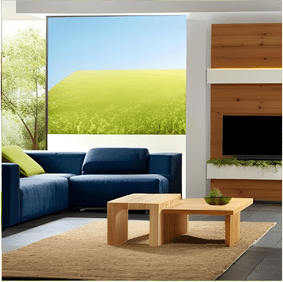
When creating a minimalist living space, it is essential to embrace design principles that promote simplicity and functionality. Focus on clean lines, open spaces, and a neutral color palette to create a sense of tranquility and harmony. Avoid excessive decorations and strive for a clutter-free environment. Prioritize natural light and incorporate elements of nature, such as indoor plants, to bring a sense of calmness and connection to the outdoors. Remember, minimalism in design is not about sacrificing comfort or style, but rather about creating a space that reflects your values and promotes a sense of peace and well-being.
Organizing and arranging furniture
Organizing and arranging furniture in a minimalist living space should prioritize simplicity, functionality, and a sense of openness. Start by decluttering and only keeping essential furniture items that serve a purpose. Arrange furniture in a way that maximizes space and allows for easy movement. Use storage solutions, such as hidden shelves or cabinets, to keep clutter out of sight. Avoid overcrowding the space and leave room for breathing and relaxation. By adopting these techniques, you can create a minimalist living space that is both visually appealing and conducive to a peaceful lifestyle.
Essential items for a minimalist home
In a minimalist home, essential items are intentionally chosen to serve a purpose and bring joy. While the definition of essential items may vary from person to person, there are a few key items that are commonly found in minimalist homes. These include comfortable yet practical furniture pieces, such as a cozy sofa or a functional dining table. Quality kitchen tools and utensils that facilitate cooking and nourishment are also considered essential. Other essential items may include versatile clothing pieces, a quality mattress, and a few cherished personal belongings that hold sentimental value. Remember, the goal is not to completely eliminate possessions, but rather to surround yourself with items that add value and enhance your well-being.
Minimalism and Mental Freedom
The impact of clutter on mental well-being
Clutter, whether physical or mental, can have a significant impact on mental well-being. Physical clutter can create a sense of chaos and overwhelm, making it challenging to relax and find peace. Similarly, mental clutter, such as excessive thoughts, worries, and distractions, can lead to feelings of anxiety and stress. Clutter also takes up mental space, leaving little room for creativity, clarity, and self-reflection. By adopting a minimalist lifestyle and decluttering both the physical and mental aspects of your life, you can experience a profound sense of mental freedom and well-being.
How minimalism promotes mental clarity
Minimalism promotes mental clarity by encouraging individuals to focus on what truly matters and eliminate the distractions that hinder their well-being. By intentionally decluttering physical possessions, daily routines, and commitments, you create a mental space that allows for greater peace and clarity. Minimalism also encourages mindfulness and presence, as it shifts the focus from external desires to internal fulfillment. By embracing a minimalist mindset, you can let go of excessive thoughts and worries, and cultivate a state of mental clarity and tranquility.
Practices for maintaining mental freedom
Maintaining mental freedom in a minimalist lifestyle requires ongoing practices that promote self-care and mindfulness. One essential practice is regular decluttering, both physically and mentally, to prevent the accumulation of unnecessary possessions and thoughts. Cultivating a daily mindfulness or meditation practice can help quiet the mind and develop a sense of presence and gratitude. Engaging in activities that bring you joy and recharge your mental well-being, such as spending time in nature, pursuing hobbies, or practicing self-reflection, is also crucial. Remember, mental freedom is a continuous journey that requires conscious effort and a commitment to prioritizing your mental well-being.
Minimalism and Digital Minimalism
Managing digital clutter
In today’s digital age, digital clutter has become a significant source of distraction and overwhelm. Managing digital clutter is an essential aspect of minimalism and can greatly contribute to reclaiming your time and mental space. Start by decluttering your digital devices, such as your phone, computer, and tablet. Delete unnecessary files, applications, and emails that no longer serve a purpose. Organize your digital files and folders in a systematic way to facilitate easy access and reduce clutter. Unsubscribe from email lists and turn off notifications that distract you from being present. By managing digital clutter, you can create a more intentional and focused digital life.
Tips for digital decluttering
Digital decluttering can be a daunting task, but with a systematic approach, it becomes more manageable. Start by organizing your digital files and folders into categories that make sense to you. Delete duplicate files and old documents that you no longer need. Sort and prioritize your digital photos, deleting those that are blurred or not of significant value. Unsubscribe from email newsletters and notifications that are no longer relevant. Consider using productivity apps or digital decluttering tools that help streamline your digital life. By implementing these tips, you can declutter your digital space and create a more organized and mindful digital experience.
Digital minimalism for a balanced life
Digital minimalism is about finding a balance between utilizing technology for its benefits while avoiding the negative effects of excessive digital consumption. It involves being intentional with the digital tools you use and setting boundaries to ensure a healthy and balanced relationship with technology. Practice mindful digital usage by being aware of the time you spend scrolling through social media or mindlessly surfing the internet. Set specific periods of time dedicated to digital detox, where you disconnect from your devices and engage in offline activities. By adopting digital minimalism, you can regain control over your digital life and create a healthier balance between the virtual world and the real world.
Minimalism and Finances
Simplifying your financial life
Minimalism extends to various aspects of life, including finances. Simplifying your financial life involves adopting intentional spending habits, aligning your purchases with your values, and optimizing your financial decisions. Start by decluttering your financial records and getting organized. Review your expenses and identify areas where you can cut back or eliminate unnecessary costs. Prioritize investments that bring long-term value and align with your financial goals. Avoid impulsive buying and focus on purchasing quality items or experiences that truly enrich your life. By simplifying your financial life, you can reduce financial stress, increase savings, and align your money with what truly matters to you.
Budgeting and saving in a minimalist lifestyle
Budgeting and saving play a crucial role in a minimalist lifestyle, as they allow you to manage your finances with intention and purpose. Start by creating a realistic budget that takes into account your income, expenses, and financial goals. Identify areas where you can reduce expenses, such as unnecessary subscriptions or impulse purchases. Practice mindful spending by evaluating the value and necessity of each purchase. Prioritize savings by setting aside a percentage of your income for emergencies and future goals. By adopting a minimalist approach to budgeting and saving, you can achieve financial stability, reduce financial stress, and work towards financial freedom.
Maximizing the value of your money
In a minimalist lifestyle, maximizing the value of your money goes beyond just saving or budgeting. It involves making intentional choices that bring long-term value and align with your values. Prioritize experiences over material possessions, as they often provide more lasting joy and fulfillment. Invest in quality items that are durable and serve a purpose in your life, rather than opting for cheap disposable alternatives. Consider the environmental impact and ethical practices of the companies you support with your purchases. By adopting these practices, you can make your money work for you and create a lifestyle that is both fulfilling and responsible.
Minimalism and Time Management
Eliminating time-wasting activities
Time is a precious resource, and minimalism encourages individuals to eliminate time-wasting activities that do not align with their values or bring them joy. Start by evaluating how you spend your time and identify activities or habits that drain your energy without providing significant benefits. This could include excessive screen time, aimless browsing, or engaging in commitments that no longer serve a purpose. Eliminate or reduce these activities and replace them with activities that align with your goals and bring you fulfillment. By consciously choosing how you spend your time, you can create a more meaningful and purposeful life.
Prioritizing your time
Minimalism emphasizes the importance of prioritizing your time and focusing on the activities that truly matter. Start by identifying your core values and the activities that align with them. Prioritize activities that bring you joy, fulfillment, and growth. This could include spending time with loved ones, pursuing hobbies, engaging in self-care, or working towards personal or professional goals. Say no to commitments that do not align with your priorities and learn to delegate or ask for help when needed. By prioritizing your time, you can create a life that is in alignment with your values and brings you a sense of purpose and fulfillment.
Creating a mindful daily routine
A mindful daily routine is an essential aspect of minimalism as it allows for intentional and purposeful living. Start by establishing a morning routine that fosters a positive and productive start to your day. This could include activities such as meditation, exercise, journaling, or gratitude practice. Throughout the day, be mindful of how you spend your time and take regular breaks to recharge and refocus. Embrace routines and habits that support your values and align with your goals. In the evening, practice self-reflection and evaluate how the day aligned with your intentions. By creating a mindful daily routine, you can cultivate a lifestyle that is intentional, fulfilling, and balanced.
Minimalism in Relationships
Fostering meaningful connections
Minimalism extends beyond physical belongings and can greatly impact your relationships. Fostering meaningful connections involves being intentional with the relationships you cultivate and focusing on quality over quantity. Surround yourself with people who align with your values and support your personal growth. Prioritize quality time with loved ones and engage in activities that promote connection and deep conversation. Show genuine interest and be present when interacting with others. By embracing minimalism in relationships, you can create a circle of supportive and fulfilling connections that bring joy and add value to your life.
Letting go of toxic relationships
Minimalism empowers individuals to let go of toxic relationships that bring negativity and drain their well-being. Toxic relationships can be emotionally and mentally exhausting, hindering personal growth and happiness. Take inventory of your relationships and identify those that no longer serve your well-being. Set boundaries to protect yourself from toxic behavior or negativity. Be willing to let go of relationships that no longer align with your values or bring you joy. Surround yourself with positive and supportive individuals who contribute to your personal growth and well-being. By prioritizing healthy and fulfilling relationships, you can create a social circle that enhances your life and promotes a sense of happiness and peace.
Communicating effectively in a minimalist lifestyle
Effective communication is crucial in maintaining healthy and meaningful relationships within a minimalist lifestyle. Practice active listening, where you genuinely listen to others without judgment or interruption. Be present and engaged when interacting with others, whether it is through face-to-face conversations or digital communication. Be mindful of your words and speak with kindness, empathy, and clarity. Practice clear and honest communication, expressing your needs, boundaries, and emotions in a respectful manner. By fostering effective communication, you can build deeper connections with others and create an environment of trust and understanding within your relationships.
Challenges and Pitfalls of Minimalism
Overcoming attachment to possessions
One of the main challenges of adopting a minimalist lifestyle is overcoming attachment to possessions. It is common to develop emotional attachments to certain items, as they may hold sentimental value or represent a sense of security. Overcoming attachment to possessions requires a shift in mindset and a willingness to let go. Practice gratitude for the experiences and memories associated with an item rather than attaching value solely to the physical object. Reflect on your true needs and the impact possessions have on your well-being. Embrace the idea of living with less and focus on the freedom and joy that minimalism can bring. By overcoming attachment to possessions, you can experience a sense of lightness and liberation.
Handling societal pressures
Society often places a strong emphasis on material possessions and consumerism, which can present challenges for those on a minimalist path. Minimalism challenges societal norms and expectations, which may lead to judgment or misunderstanding from others. It is important to stay true to your own values and not be swayed by external pressures. Surround yourself with like-minded individuals who support your minimalist journey. Educate others about the benefits of minimalism and its positive impact on well-being and the environment. By staying firm in your beliefs, you can navigate societal pressures and live a more intentional and fulfilling life.
Maintaining balance in a minimalist lifestyle
Maintaining balance is crucial in a minimalist lifestyle to avoid extremes and strive for holistic well-being. It is easy to get caught up in the pursuit of minimalism and become overly focused on decluttering or letting go. However, it is important to remember that minimalism is a means to an end and not an end in itself. Balance requires embracing the essence of minimalism while also nurturing other aspects of your life, such as relationships, personal growth, and self-care. Regularly evaluate your priorities and ensure that you are dedicating time and energy to all areas that contribute to your overall well-being. By maintaining balance, you can create a sustainable minimalist lifestyle that brings long-term fulfillment and happiness.
In conclusion, minimalism offers a transformative approach to living that allows individuals to discover freedom through simplicity. By embracing the principles of minimalism and making intentional choices to declutter, simplify, and prioritize, you can create a lifestyle that fosters mental freedom, meaningful relationships, and a sense of balance. Through the journey of minimalism, you can unlock a world of possibilities and experience the magic of a life that is focused on what truly matters.