Page Navigation
Embark on a journey of culinary exploration as you step into the world of vegan adventures. In this article, we will delve into the realm of plant-based cooking, where creativity flourishes and traditional recipes are reinvented. Discover the endless possibilities of vegan cuisine as you unlock the secrets to crafting delicious and nourishing meals without the use of animal products. Whether you are a committed vegan or simply curious about this vibrant culinary movement, prepare to be inspired by the innovative dishes and techniques that await you in a plant-based kitchen. Let your taste buds be tantalized and your perspective transformed as you open your mind to the wonders of vegan adventures.
1. Introduction to Vegan Adventures
Welcome to Vegan Adventures, a journey into the world of culinary creativity in a plant-based kitchen. As more and more people embrace a vegan lifestyle, the demand for diverse, delicious, and nutritious vegan recipes has never been higher. In this article, we will explore the concept of a plant-based kitchen, the reasons to delve into vegan culinary creativity, and the numerous benefits of vegan cooking.
1.1 What is a plant-based kitchen?
A plant-based kitchen is a culinary space where all the ingredients used are derived from plants, such as fruits, vegetables, whole grains, legumes, nuts, and seeds. It is a kitchen that thrives on the diversity and abundance of plant-based foods, showcasing the flavors, textures, and nourishment that can be derived from nature’s offerings. In a plant-based kitchen, there are no animal products used, including meat, poultry, dairy, eggs, and honey.
1.2 Why explore culinary creativity in a plant-based kitchen?
Exploring culinary creativity in a plant-based kitchen allows you to tap into a whole new world of flavors and textures. By focusing on plant-based ingredients, you can discover unique combinations and techniques that can transform simple dishes into gourmet creations. It provides an opportunity to broaden your palate, challenge your cooking skills, and unleash your inner chef.
1.3 Benefits of vegan cooking
Vegan cooking offers a plethora of benefits, both for your health and the planet. By adopting a plant-based diet, you can reduce your risk of chronic diseases, such as heart disease, diabetes, and certain types of cancer. Plant-based foods are rich in essential nutrients, fiber, and antioxidants, promoting overall well-being and longevity. Additionally, vegan cooking reduces your carbon footprint, conserves water, and helps protect animal welfare. It is a compassionate way of nourishing your body and the environment.
2. Vegan Pantry Essentials
To embark on your vegan adventures, it is essential to stock up on some key pantry items. Let’s explore the must-have ingredients for a well-equipped plant-based kitchen.
2.1 Stocking up on plant-based ingredients
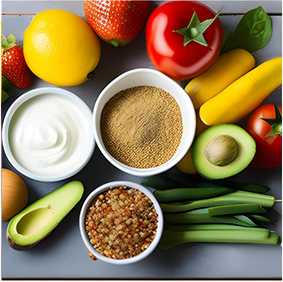
A well-stocked plant-based pantry includes a variety of fruits and vegetables, whole grains, legumes, nuts, and seeds. Fill your shelves with vibrant produce like leafy greens, colorful berries, and a medley of seasonal vegetables. Whole grains such as quinoa, brown rice, and oats provide a nutritious foundation for your meals. Legumes like chickpeas, lentils, and black beans are excellent sources of plant-based protein and can form the basis of hearty dishes.
2.2 Essential spices and seasonings
Spices and seasonings are the secret to adding depth and complexity to your vegan dishes. Invest in a range of spices like cumin, paprika, turmeric, and cinnamon to elevate the flavors of your meals. Fresh herbs like basil, cilantro, and parsley add a burst of freshness and fragrance. Other essential seasonings include soy sauce, tamari, nutritional yeast, balsamic vinegar, and lemon juice.
2.3 Nutritional yeast: The vegan secret ingredient
Nutritional yeast is a staple in the plant-based kitchen. It not only adds a cheesy and nutty flavor to dishes but also provides a boost of essential nutrients, including vitamin B12. Sprinkle it on popcorn, pasta, or use it as a base for vegan cheese sauces and dressings.
2.4 Alternative flours and binders
Traditional flours like wheat flour can easily be replaced with alternative options to cater to a vegan diet. Experiment with flours such as almond flour, coconut flour, and buckwheat flour to add taste and texture to your baked goods. Binders like ground flaxseeds and chia seeds can replace eggs in recipes, providing structure and moisture.
2.5 Plant-based milk substitutes
In a plant-based kitchen, dairy milk is replaced by a wide array of plant-based milk alternatives. Almond milk, soy milk, oat milk, and coconut milk are just a few popular options that can be used in recipes, poured over cereal, or enjoyed in a refreshing glass.
2.6 Other must-have vegan pantry items
Don’t forget to stock up on other essentials like olive oil, vegetable broth, canned tomatoes, nut and seed butters, and a variety of condiments to enhance the flavors of your meals. Having a well-stocked vegan pantry sets the stage for limitless culinary creativity.
3. Vegan Kitchen Equipment
Having the right tools in your plant-based kitchen can make all the difference in your cooking experience. Let’s explore the essential equipment every vegan cook should have.
3.1 Essential tools for a plant-based kitchen
A well-equipped plant-based kitchen begins with the basics. These include measuring cups and spoons, mixing bowls, cutting boards, a whisk, a spatula, and a variety of utensils. These tools will come in handy for a wide range of vegan culinary creations.
3.2 High-powered blenders and food processors
Investing in a high-powered blender and food processor is an essential step towards culinary creativity in a plant-based kitchen. These appliances can effortlessly blend smoothies, puree soups, grind nuts, and create creamy sauces, dips, and spreads. They are the backbone of many vegan recipes, providing convenience and versatility.
3.3 Versatile cookware
Having a variety of versatile cookware is important for mastering vegan cooking. A quality set of pots and pans, including a non-stick skillet, a saucepan, and a stockpot, will cover most cooking needs. Additionally, a sturdy baking sheet and a muffin pan will come in handy for creating delectable baked goods.
3.4 The value of a good quality knife set
A good quality knife set is a must-have in any kitchen, and it holds true for a plant-based kitchen as well. Invest in a set of sharp, durable knives that can effortlessly slice through vegetables, fruits, and other ingredients. A chef’s knife, a paring knife, and a serrated knife are essential for any vegan cook.
3.5 Sustainable storage options
To keep your plant-based ingredients fresh and organized, choose sustainable storage options like glass containers, reusable silicone bags, and beeswax wraps. These alternatives reduce waste and promote eco-friendly food storage practices.
4. Innovative Vegan Recipes
Now that you have a well-stocked plant-based pantry and essential kitchen equipment, let’s dive into the world of innovative vegan recipes. Here are some categories of recipes that will ignite your culinary creativity.
4.1 Exploring international cuisines
Vegan cooking offers endless opportunities to explore the flavors of different cuisines from around the world. From vibrant Mexican tacos to fragrant Indian curries to comforting Italian pasta dishes, you can recreate traditional favorites using plant-based ingredients. Experiment with spices, herbs, and cooking techniques to bring authentic flavors to your table.
4.2 Creative uses of plant-based proteins
Plant-based proteins, such as tofu, tempeh, seitan, and legumes, are the stars of many vegan dishes. Get creative with these ingredients by marinating, grilling, baking, or stir-frying them to add variety and a protein-packed punch to your meals.
4.3 Flavorful vegetable-centric dishes
Vegetables take the spotlight in vegan cooking, and there are countless ways to transform them into flavorful, satisfying dishes. Roasting vegetables brings out their natural sweetness, while stir-frying retains their crispness. Get adventurous by incorporating a variety of vegetables into stews, stir-fries, grain bowls, and salads for a burst of colors and flavors.
4.4 Homemade vegan cheeses and spreads
Contrary to popular belief, you don’t have to give up cheese when you go vegan. Explore the world of homemade vegan cheeses and spreads made from nuts, seeds, and plant-based milk. From creamy cashew cheese to tangy almond feta, these dairy-free alternatives will delight your taste buds and elevate your dishes.
4.5 Baking without eggs and dairy
Baking without eggs and dairy may seem daunting, but it opens up a whole new realm of creativity. Replace eggs with ingredients like applesauce, mashed bananas, or tofu to add moisture and binding properties to your baked goods. Use plant-based milk and vegan butter or coconut oil as substitutes for dairy products. The possibilities are endless when it comes to vegan baking.
4.6 Delicious and nutritious vegan desserts
Indulging in sweet treats is not off-limits in a plant-based kitchen. Explore the world of vegan desserts with recipes like rich chocolate avocado mousse, creamy coconut milk-based ice cream, and moist date and nut cakes. Vegan desserts can be just as decadent and satisfying as their non-vegan counterparts, and they come with the added bonus of being healthy and cruelty-free.
5. Vegan Comfort Classics with a Twist
Veganism doesn’t mean giving up comfort foods. With a little creativity, you can reimagine classic comfort foods into delicious plant-based versions. Let’s explore some vegan comfort classics.
5.1 Reimagining classic comfort foods
Classic comfort foods like mac and cheese, lasagna, and shepherd’s pie can easily be veganized. For mac and cheese, swap dairy cheese with a creamy homemade cashew cheese sauce. Replace ground meat in lasagna with a flavorful mix of lentils and vegetables. And for shepherd’s pie, use a savory blend of mushrooms, lentils, and mashed cauliflower or potato topping.
5.2 Veganizing traditional family recipes
There’s no need to leave behind your favorite family recipes when adopting a vegan lifestyle. You can easily veganize cherished dishes by substituting ingredients. Replace meat with plant-based proteins, dairy milk with plant-based milk, and eggs with egg replacements in traditional recipes. The result will be a veganized version that retains the flavors and nostalgia of your family’s culinary heritage.
5.3 Plant-based substitutes for meat and dairy
Plant-based substitutes have come a long way in replicating the texture and taste of meat and dairy products. Explore the wide range of vegan meats, such as plant-based burgers, sausages, and deli slices, which provide a satisfying alternative. Similarly, dairy-free cheeses, yogurts, and ice creams offer creamy and flavorful options for indulging in your favorite comfort foods.
5.4 Flavorful vegan soups and stews
Warm and comforting soups and stews are perfect for chilly days or when you need a nourishing meal. Explore vegan versions of classics like tomato soup, lentil stew, and minestrone. Load them with a variety of vegetables, herbs, and spices for a wholesome and flavorful dish.
5.5 Creative twists on vegan burgers and sandwiches
Burgers and sandwiches are a staple in many diets, and they can easily be made vegan. Experiment with plant-based patties made from mushrooms, beans, or grains, and pile them high with fresh vegetables, spreads, and sauces. Create unique flavor profiles with different toppings, such as caramelized onions, avocado, or pickled jalapenos.
5.6 Indulgent vegan desserts for special occasions
Special occasions call for indulgent desserts. Veganize your favorite cakes, cookies, and pies by replacing eggs with egg substitutes and butter with vegan alternatives. Garnish your creations with fresh fruit, coconut cream, or dairy-free whipped cream for the perfect sweet ending to any celebration.
6. Seasonal and Sustainable Vegan Cooking
Seasonal and sustainable vegan cooking goes hand in hand with a plant-based lifestyle. Let’s explore how you can embrace the bounty of each season, plan sustainable meals, reduce food waste, and make use of local and organic produce.
6.1 Embracing the bounty of each season
Each season offers a unique variety of fruits and vegetables that are at their peak flavor and nutrition. Embrace the bounty of each season by incorporating seasonal produce into your meals. In the spring, celebrate fresh greens and berries, while summer brings an abundance of juicy tomatoes, corn, and stone fruits. Fall offers hearty squash and root vegetables, and winter brings cozy citrus fruits and cruciferous vegetables.
6.2 Plant-based meal planning for sustainability
Meal planning is key to sustainable vegan cooking. By planning your meals ahead of time, you can reduce food waste, save money, and make efficient use of ingredients. Consider batch cooking, where you prepare larger quantities of food and freeze portions for later use. This not only saves time but also reduces packaging waste.
6.3 Reducing food waste in a vegan kitchen
In a vegan kitchen, reducing food waste is a priority. Make use of vegetable scraps to create nutritious vegetable stock or compost them for your garden. Get creative with leftovers by transforming them into new dishes, like turning roasted veggies into a flavorful grain bowl or blending leftover soup into a creamy sauce.
6.4 Making use of local and organic produce
Support local farmers and promote sustainability by seeking out local and organic produce. Shopping at farmers markets or joining a community-supported agriculture (CSA) program ensures you receive fresh, seasonal produce while minimizing food miles and supporting the local economy.
6.5 Preserving fruits and vegetables for year-round use
Preserving fruits and vegetables allows you to enjoy the flavors of each season throughout the year. Canning, pickling, freezing, and drying are all methods of preservation that can be used to extend the shelf life of seasonal produce. Homemade jams, pickles, and frozen fruits are delightful reminders of the flavors of summer, even during the colder months.
7. Vegan Fusion: Blending Flavors and Cultures
Vegan fusion cooking is all about embracing the diversity of flavors and cultures and creating unique and exciting dishes. Let’s dive into the world of blending flavors and culinary traditions.
7.1 Combining culinary traditions
Vegan fusion cooking is a melting pot of culinary traditions from around the world. Combine flavor profiles and cooking techniques from different cultures to create exciting and unexpected results. For example, blend Mexican and Asian flavors by making vegan sushi with a spicy bean filling or combine Indian and Italian cuisines with a tofu tikka masala pizza.
7.2 Popular fusion dishes in plant-based cooking
Vegan fusion dishes have gained popularity in recent years. Explore dishes like Korean-inspired vegan bibimbap bowls, Mexican-inspired vegan tacos filled with jackfruit carnitas, or Thai-inspired vegan green curry with tofu and vegetables. The possibilities are endless when it comes to blending flavors and cuisines.
7.3 Experimenting with spices and herbs
Spices and herbs play a crucial role in vegan fusion cooking. Combine flavors like cinnamon and cumin, basil and miso, or turmeric and ginger to create unique taste sensations. Don’t be afraid to experiment and let your taste buds be your guide.
7.4 Incorporating global flavors into everyday meals
Incorporating global flavors into everyday meals is a great way to keep your taste buds excited and your meals interesting. Add a sprinkle of za’atar to roasted vegetables, a dollop of harissa to soups or stews, or a dash of garam masala to your plant-based curry. These small additions can elevate simple dishes and transport your palate around the world.
7.5 Tips for successful vegan fusion cooking
When engaging in vegan fusion cooking, keep a few tips in mind. Familiarize yourself with the flavor profiles of various cuisines, experiment with small quantities of ingredients to find the right balance, and don’t be afraid to mix and match ingredients and techniques. Keep an open mind and immerse yourself in the world of vegan fusion cooking to discover new and exciting flavors.
8. Mindful Eating and the Vegan Lifestyle
The vegan lifestyle encourages mindful eating, which emphasizes awareness, gratitude, and savoring the flavors and textures of plant-based meals. Let’s explore the connection between veganism and mindfulness, and the benefits of practicing mindful eating.
8.1 The connection between veganism and mindfulness
Veganism and mindfulness share a deep connection rooted in compassion and awareness. Veganism promotes compassion towards animals and the environment, while mindfulness encourages compassion towards ourselves and others. Both practices highlight the importance of making conscious choices and being present in the moment.
8.2 Cultivating awareness and gratitude
Mindful eating involves cultivating awareness and gratitude for the food we consume. When eating mindfully, we become fully present during meals and savor each bite. We appreciate the effort that went into growing, preparing, and cooking the food, and we acknowledge the nourishment it provides for our bodies.
8.3 Mindful cooking techniques
Mindful cooking extends beyond the act of eating. It involves cultivating awareness and intention throughout the cooking process. Mindful cooking techniques include taking the time to chop vegetables with care and attention, focusing on the smells and sounds of food as it cooks, and being fully present in the act of creating a meal.
8.4 Savoring the flavors and textures of plant-based meals
Mindful eating allows us to truly savor the flavors and textures of our plant-based meals. By engaging all our senses, we can appreciate the vibrant colors, enticing aromas, and delightful tastes of each dish. Notice the crunch of fresh vegetables, the creaminess of a nut-based sauce, or the tanginess of homemade vegan cheese.
8.5 Benefits of practicing mindful eating
Practicing mindful eating brings numerous benefits, including improved digestion, increased satisfaction with meals, better portion control, and a greater connection to the food we eat. Mindful eating can also reduce overeating, emotional eating, and stress-related food choices. By being present in the eating experience, we can better listen to our bodies’ hunger and fullness cues and make conscious choices that support our well-being.
9. Plant-Based Nutrition and Health Benefits
A plant-based diet is not only compassionate but also offers a wide range of health benefits. Let’s explore the essential nutrients in a vegan diet, meal planning for optimal nutrition, the health benefits of plant-based eating, addressing common nutritional concerns, and supporting overall well-being through veganism.
9.1 Essential nutrients in a vegan diet
A well-planned vegan diet provides all the essential nutrients needed for optimal health. These include protein, iron, calcium, vitamin B12, omega-3 fatty acids, and zinc. Plant-based sources of these nutrients include legumes, tofu, tempeh, leafy greens, nuts, seeds, fortified plant-based milks, and nutritional yeast. It is important to ensure a varied and balanced diet to meet all nutritional needs.
9.2 Meal planning for optimal nutrition
Meal planning is crucial for obtaining optimal nutrition on a plant-based diet. A well-balanced vegan meal includes a combination of plant-based proteins, whole grains, fruits, vegetables, and healthy fats. Meal prepping and incorporating a variety of ingredients and cooking methods can help ensure a diverse and nutrient-dense diet.
9.3 Health benefits of plant-based eating
There is a growing body of evidence supporting the health benefits of plant-based eating. A plant-based diet is associated with a lower risk of heart disease, high blood pressure, obesity, type 2 diabetes, and certain types of cancer. It can also improve overall gut health, promote healthy weight management, and increase longevity.
9.4 Addressing common nutritional concerns
Common nutritional concerns in a plant-based diet include ensuring adequate protein, iron, and vitamin B12 intake. However, with proper planning and attention to food choices, these concerns can be addressed. Including a variety of protein-rich plant foods, such as legumes, tofu, and quinoa, along with iron-rich foods like leafy greens and fortified cereals can meet these nutritional needs. Additionally, vitamin B12 supplementation or fortified foods can ensure sufficient intake of this essential nutrient.
9.5 Supporting overall well-being through veganism
Beyond the physical health benefits, embracing a vegan lifestyle can support overall well-being. It promotes a sense of compassion, both towards animals and the environment, and aligns our actions with our values. Veganism can also cultivate a deeper connection with nature, foster mindfulness, and inspire a more conscious and sustainable way of living.
10. Exploring Vegan Alternatives
In the world of veganism, there is an ever-expanding array of alternatives to animal products. Let’s explore plant-based substitutes for dairy products, vegan meat alternatives, egg replacements in vegan cooking, and new and exciting vegan ingredients.
10.1 Plant-based substitutes for dairy products
Plant-based substitutes for dairy products have come a long way in taste, texture, and versatility. Coconut milk, almond milk, and soy milk are great alternatives to traditional cow’s milk. Nut-based cheeses, oat-based yogurts, and cashew-based ice creams offer creamy and satisfying options for those looking to replace dairy in their diets.
10.2 Vegan meat alternatives
Vegan meat alternatives have seen significant advancements, mimicking the taste, texture, and appearance of meat products. Products like plant-based burgers, sausages, and deli slices offer a familiar and satisfying experience. These alternatives are often made from ingredients like soy protein, pea protein, or jackfruit and provide a convenient way to transition to a plant-based diet or simply reduce meat consumption.
10.3 Egg replacements in vegan cooking
Egg replacements are essential when it comes to vegan baking and cooking. Ingredients like applesauce, mashed bananas, chia seeds, and aquafaba (the liquid from cooked chickpeas) can be used to replace eggs in recipes. These replacements provide moisture, binding properties, and leavening abilities similar to eggs, ensuring that your vegan creations come out just as delicious.
10.4 Discovering new and exciting vegan ingredients
The world of vegan cooking is full of new and exciting ingredients to explore. From jackfruit, a versatile fruit with a meat-like texture, to nutritional powerhouses like hemp seeds and spirulina, there are countless ingredients waiting to be discovered. Experimenting with these ingredients can add variety, nutrition, and excitement to your plant-based meals.
10.5 The expanding world of vegan products
The vegan market is expanding rapidly, offering a wide range of vegan products to cater to different needs and preferences. From plant-based milks to vegan meats, cheeses, and desserts, there is an ever-growing selection to choose from. These products provide convenient options for those transitioning to a vegan lifestyle or simply looking to incorporate more plant-based foods into their diets.
In conclusion, Vegan Adventures: Exploring Culinary Creativity in a Plant-Based Kitchen is a journey filled with diverse flavors, nutritious meals, and a compassionate approach to food. By stocking your pantry with essential vegan ingredients, equipping your kitchen with the right tools, and diving into innovative recipes, you can embark on a fulfilling and exciting culinary exploration. Through mindful eating, embracing plant-based nutrition, and exploring vegan alternatives, you can experience the numerous health benefits and contribute to a more sustainable world. So grab your apron, explore new flavors, and let Vegan Adventures ignite your passion for plant-based cooking.