Page Navigation
Are you looking for a way to enhance your overall well-being and nourish your body from the inside out? Look no further than holistic nutrition. By incorporating holistic nutrition into your lifestyle, you can experience a positive transformation, both physically and mentally. This article will explore the concept of holistic nutrition and how it can empower you to make healthier choices that support your well-being. From understanding the importance of whole foods to discovering the benefits of mindful eating, you will gain valuable insights on how to elevate your well-being through wholesome nourishment. So, get ready to embark on a journey of self-care and discover the power of holistic nutrition.
What is Holistic Nutrition?
Definition of Holistic Nutrition
Holistic nutrition is an approach to nourishing the body that focuses on the interconnectedness of the mind, body, and spirit. It goes beyond simply counting calories or tracking macronutrients, and instead takes into consideration the individual as a whole. Holistic nutrition believes that optimal health can be achieved by addressing not only the physical aspect of nutrition but also the emotional, mental, and spiritual aspects.
Principles of Holistic Nutrition
The principles of holistic nutrition revolve around the idea that food is not just fuel, but it also has the power to heal and nourish the body on a deeper level. Some key principles include:
- Whole Foods: Choosing foods that are as close to their natural form as possible, such as fresh fruits, vegetables, whole grains, and lean proteins.
- Nutrient Density: Focusing on foods that are rich in essential nutrients, vitamins, and minerals to support overall health and well-being.
- Bioavailability: Prioritizing foods that are easily absorbed and utilized by the body, maximizing their benefits.
- Mindful Eating: Being present and fully aware of the eating experience, including chewing food thoroughly and listening to the body’s hunger and fullness cues.
- Individuality: Recognizing that each person has unique nutritional needs and preferences, and tailoring a plan that suits their specific requirements.
Benefits of Holistic Nutrition
Holistic nutrition offers a multitude of benefits that extend beyond just physical health. By nourishing the body in a holistic way, individuals may experience improved digestion, increased energy levels, enhanced immune function, better mental clarity, emotional balance, and overall optimal well-being. It can also play a significant role in preventing chronic diseases, promoting longevity, and supporting mental health.
Understanding the Mind-Body Connection
How the Mind Affects the Body
The connection between the mind and body is undeniable. Research has shown that our thoughts, emotions, and mental state can directly impact our physical health. Negative emotions and chronic stress can lead to an increase in cortisol levels, which can contribute to a weakened immune system, decreased nutrient absorption, and increased inflammation in the body. On the other hand, positive thoughts, relaxation techniques, and stress management strategies can have a profound impact on overall health and well-being.
How the Body Affects the Mind
Just as the mind can influence the body, the body can also influence the mind. Nutrient deficiencies, imbalances in blood sugar levels, and poor gut health can all contribute to mood swings, brain fog, and even mental health conditions such as anxiety and depression. By nourishing the body with wholesome foods and supporting optimal physiological function, you can lay the foundation for improved mental well-being and emotional stability.

Importance of Addressing Both
Addressing both the mind and body is essential for achieving holistic well-being. By adopting a holistic nutrition approach, you can nourish your body with nutrient-rich foods that support optimal physical health, while also implementing mindfulness practices and stress management techniques to nurture your mental and emotional well-being. This integrated approach can lead to a synergistic effect, amplifying the benefits and promoting overall vitality.
Nutrient-Rich Foods for Holistic Nourishment
Building a Balanced Plate
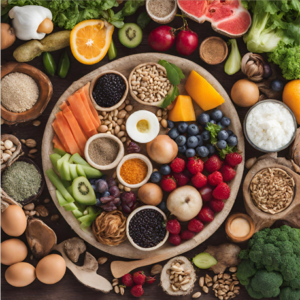
Building a balanced plate is the foundation of holistic nutrition. A balanced plate consists of a variety of whole foods from different food groups, including fruits, vegetables, whole grains, lean proteins, and healthy fats. It is important to ensure that your plate is colorful and diverse, as different foods provide different essential nutrients that are vital for optimal health and vitality.
Incorporating Whole Foods
Incorporating whole foods into your diet is a key aspect of holistic nutrition. Whole foods are minimally processed and retain their natural nutrient content. They are rich in fiber, vitamins, minerals, and antioxidants. Examples of whole foods include fresh fruits and vegetables, whole grains, legumes, nuts, and seeds. By focusing on whole foods, you provide your body with a wide range of nutrients that support optimal health and well-being.
Superfoods for Optimal Health
Superfoods are nutrient-dense foods that provide exceptional health benefits. They are typically rich in antioxidants, vitamins, minerals, and phytochemicals. Some examples of superfoods include berries, leafy green vegetables, fatty fish, turmeric, nuts, and seeds. Incorporating superfoods into your diet can boost your intake of essential nutrients and provide additional support for overall health and vitality.
The Role of Gut Health in Holistic Nutrition
Understanding the Gut Microbiome
The gut microbiome refers to the trillions of microorganisms that reside in our digestive tract. These microorganisms play a crucial role in our overall health, as they help digest food, produce essential nutrients, regulate the immune system, and even affect our mood and mental health. A healthy gut microbiome is essential for optimal digestion, nutrient absorption, and overall well-being.
Foods that Promote Gut Health
To support a healthy gut microbiome, it is important to include foods that promote gut health in your diet. Fiber-rich foods such as fruits, vegetables, whole grains, and legumes provide prebiotics, which serve as fuel for beneficial gut bacteria. Fermented foods like yogurt, sauerkraut, and kefir are rich in probiotics, which are live bacteria that can replenish and diversify the gut microbiome. Including these foods in your diet can help maintain a healthy gut and support optimal digestion and overall health.
Gut-Brain Connection
The gut-brain connection refers to the bidirectional communication between the gut and the brain. Research has shown that the gut microbiome plays a crucial role in regulating mood, emotions, and even cognitive function. An imbalance in the gut microbiome, known as dysbiosis, has been linked to an increased risk of mental health disorders such as anxiety and depression. By nourishing your gut with gut-friendly foods and supporting a healthy microbiome, you can positively influence your mental well-being.
Importance of Mindfulness in Holistic Nutrition
Mindful Eating Practices
Mindful eating is a practice that involves paying full attention to the eating experience, focusing on the taste, texture, and sensations of the food. It also involves listening to the body’s hunger and fullness cues, eating slowly, and savoring each bite. By practicing mindful eating, you can develop a healthier relationship with food, become more aware of your body’s needs, and prevent overeating or emotional eating.
Benefits of Mindful Eating
Mindful eating offers numerous benefits for both physical and mental well-being. By slowing down and being fully present during meals, you can improve digestion and nutrient absorption. Mindful eating also helps you make healthier food choices, as you become more attuned to your body’s hunger and satisfaction signals. Additionally, it can reduce stress, promote relaxation, and enhance the overall enjoyment of food.
Practicing Mindfulness Beyond Mealtimes
In addition to mindful eating, practicing mindfulness in other aspects of life can contribute to holistic well-being. Engaging in mindfulness practices such as meditation, deep breathing exercises, and body scans can help reduce stress, improve focus and concentration, and promote emotional balance. By incorporating mindfulness into your daily routine, you can cultivate a greater sense of self-awareness and overall well-being.

Holistic Nutrition for Mental Well-Being
Foods that Support Mental Health
Certain foods have been shown to support mental health and cognitive function. Foods rich in omega-3 fatty acids, such as fatty fish, flaxseeds, and walnuts, are believed to have a positive impact on brain health. Dark chocolate and berries are rich in antioxidants and can help improve mood and cognitive function. Leafy green vegetables and nuts are abundant in vitamins and minerals that support brain health. Including these foods in your diet can contribute to improved mental well-being.
Balancing Blood Sugar Levels
Balancing blood sugar levels is crucial for stable energy levels and overall mental well-being. Consuming too many sugary foods or refined carbohydrates can cause blood sugar spikes and crashes, leading to mood swings, fatigue, and difficulty concentrating. Opting for complex carbohydrates, such as whole grains and legumes, along with balanced meals that include protein, healthy fats, and fiber, can help regulate blood sugar levels and support mental clarity and stability.
Key Nutrients for Cognitive Function
Certain key nutrients play a vital role in cognitive function and brain health. B vitamins, found in foods like whole grains, legumes, and leafy green vegetables, are essential for proper brain function. Antioxidants, such as vitamin C, vitamin E, and beta-carotene, found in fruits and vegetables, help protect the brain from oxidative stress. Omega-3 fatty acids, as mentioned earlier, are also important for cognitive function. By including these nutrients in your diet, you can support optimal brain health and cognitive function.
Harnessing the Power of Herbal Remedies
Herbal Supplements for Holistic Nourishment
Herbal supplements can be a valuable addition to a holistic nutrition plan. Certain herbs have been used for centuries for their medicinal properties and can provide various health benefits. Examples of herbal supplements include turmeric for its anti-inflammatory properties, ashwagandha for stress relief, and milk thistle for liver support. However, it is important to consult with a healthcare professional or qualified herbalist before incorporating herbal supplements into your routine, as they may interact with medications or have contraindications.
Herbal Teas and Their Benefits
Sipping on herbal teas can be a soothing and nourishing way to support holistic well-being. Herbal teas, such as chamomile for relaxation, peppermint for digestion, and ginger for inflammation, have been used for their therapeutic properties. Herbal teas can provide hydration, promote relaxation, aid digestion, and offer various other health benefits. However, it is important to choose high-quality, organic herbal teas and avoid excessive consumption, especially if you have any underlying health conditions.
Incorporating Herbs in Cooking
Incorporating herbs in cooking is another way to enjoy their health benefits. Fresh herbs such as basil, parsley, and rosemary not only add flavor and aroma to dishes but also provide an array of antioxidants and phytochemicals. You can use herbs to enhance the nutritional content of your meals, reduce the need for excessive salt or unhealthy seasonings, and promote overall well-being. Experiment with different herbs in your recipes to find your personal favorites and enhance the nutritional value of your meals.
The Impact of Hydration on Holistic Health
Importance of Staying Hydrated
Staying hydrated is crucial for overall health and well-being. Water makes up a significant portion of our body and is involved in essential processes such as digestion, nutrient absorption, temperature regulation, and waste elimination. Dehydration can lead to fatigue, headaches, poor concentration, and impaired physical and cognitive performance. It is important to drink an adequate amount of water throughout the day to maintain hydration levels and support optimal bodily functions.
Best Fluid Choices for Hydration
While water is the best choice for hydration, there are other fluid options that can contribute to your overall fluid intake. Herbal teas, fruit-infused water, and coconut water are hydrating alternatives that can provide additional nutrients and flavors. However, it is important to avoid sugary beverages such as soda and energy drinks, as they can contribute to dehydration and have negative effects on overall health.
Hydration Tips for Optimal Well-Being
To enhance hydration and support optimal well-being, consider the following tips:
- Carry a water bottle with you throughout the day to remind you to drink water regularly.
- Set reminders or use smartphone apps to track your water intake.
- Drink water before, during, and after physical activity.
- Opt for hydrating foods such as watermelon, cucumber, and celery.
- Limit caffeine and alcohol consumption, as they can have a diuretic effect.
- Listen to your body’s thirst cues and drink when you feel thirsty.

Holistic Nutrition for Physical Fitness
Pre- and Post-Workout Nutrition
Proper nutrition plays a vital role in fueling your body for physical activity and supporting muscle recovery afterward. Before a workout, it is important to consume balanced meals or snacks that provide carbohydrates for energy and protein for muscle support. After a workout, focus on replenishing energy stores with nutrient-dense foods that include carbohydrates, lean proteins, and healthy fats to aid in muscle repair and recovery.
Importance of Protein Intake
Protein is an essential nutrient for muscle growth, repair, and recovery. Incorporating an adequate amount of protein into your diet is crucial for supporting physical fitness goals. Good sources of protein include lean meats, poultry, fish, tofu, tempeh, legumes, nuts, and seeds. Ensuring sufficient protein intake supports muscle synthesis, enhances physical performance, and helps prevent muscle breakdown.
Fueling Your Body for Exercise
To fuel your body for exercise, focus on consuming a well-balanced diet that includes complex carbohydrates for sustained energy, lean proteins for muscle support, healthy fats for satiety and hormone regulation, and plenty of fruits and vegetables for essential vitamins and minerals. Drinking water before, during, and after exercise is also important to maintain hydration levels. Tailoring your nutrition to your specific physical activity and goals can optimize performance and enhance overall physical fitness.
Holistic Nutrition and its Role in Disease Prevention
Nutritional Strategies for Preventing Chronic Diseases
Holistic nutrition can play a significant role in preventing chronic diseases such as heart disease, diabetes, and certain types of cancer. By adopting a diet rich in whole foods, fruits, vegetables, and lean proteins, while minimizing processed foods, sugar, and unhealthy fats, you can reduce the risk factors associated with these diseases. Additionally, maintaining a balanced weight, managing stress, engaging in regular physical activity, and avoiding tobacco and excessive alcohol consumption are crucial lifestyle factors that complement holistic nutrition in disease prevention.
Lifestyle Factors that Complement Holistic Nutrition
In addition to nutrition, certain lifestyle factors are important for holistic well-being and disease prevention. Regular physical activity promotes cardiovascular health, enhances mental well-being, and supports weight management. Sufficient sleep is vital for rest and recovery, hormone regulation, and overall cellular health. Stress management strategies such as mindfulness, meditation, and self-care practices can help reduce chronic stress and its detrimental impact on health. By incorporating these lifestyle factors alongside holistic nutrition, you can create a comprehensive approach to disease prevention and overall well-being.
Promoting Longevity Through Nourishment
Holistic nutrition has the potential to promote longevity and enhance quality of life as we age. By nourishing the body with nutrient-rich foods, supporting optimal physiological function, and addressing the mind-body connection, we can support healthy aging and prevent age-related diseases. Embracing a holistic approach that includes whole foods, mindfulness, regular physical activity, restful sleep, and stress management can empower you to live a long, vibrant, and fulfilled life.
Incorporating holistic nutrition into your lifestyle can be a transformative journey towards optimal health and well-being. By nourishing your mind, body, and spirit with nutrient-rich foods, mindful practices, and holistic lifestyle choices, you can elevate your well-being on multiple levels. Embrace the power of holistic nutrition and pave the way for a vibrant and fulfilling life.