Page Navigation
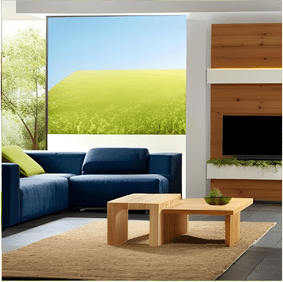
Imagine transforming your home into a sanctuary that not only reflects your unique style, but also embraces sustainability. In today’s fast-paced world, creating a space that harmonizes with nature is not only visually appealing but also a conscious choice. With a growing focus on eco-friendly practices, crafting a home decor story inspired by nature allows you to weave in elements of beauty and sustainability. By incorporating natural materials, sustainable furniture, and eco-conscious design, you can create a space that not only showcases your personality but also contributes to a healthier planet.
The Inspiration from Nature
Nature has always been a source of inspiration for various aspects of our lives, including home decor. The natural elements present in the world around us can be a great inspiration when it comes to creating a beautiful and harmonious living space. From the soothing colors of a sunset to the organic shapes of a tree, nature offers endless possibilities for incorporating its beauty into our homes.
Natural Elements as Decor Inspiration
When it comes to home decor, there are numerous ways in which natural elements can be used as inspiration. The colors of nature, such as earthy tones and vibrant greens, can be incorporated into the color palette of a space. The textures and patterns found in nature can inspire the choice of fabrics and materials. Natural elements like stones, shells, and branches can be used as decorative accents to add a touch of nature to a room. By incorporating these elements, you can bring the calming and soothing presence of nature into your living space.
The Connection Between Nature and Home Decor
The connection between nature and home decor goes beyond just aesthetics. Studies have shown that being in nature or even just looking at natural scenes can have a positive impact on our well-being. By bringing elements of nature into our homes, we can create a space that promotes relaxation, reduces stress, and enhances our overall sense of well-being. Nature-inspired home decor can help create a nurturing and serene environment that allows us to recharge and reconnect with ourselves.
The Beauty of Sustainable Design
In recent years, there has been an increasing focus on sustainable design and the use of eco-friendly materials in home decor. Sustainable design aims to minimize the negative impact on the environment by incorporating materials and practices that are renewable, recyclable, and non-toxic. By choosing sustainable materials, we can create a home that not only looks beautiful but also aligns with our values and respect for the planet. Sustainable design allows us to coexist with nature, appreciating its beauty while also protecting it for future generations.
Sustainable Materials in Home Decor
To create a sustainable home decor, it is important to choose materials that are environmentally friendly and have a low impact on the planet. Here are some sustainable materials that can be incorporated into your home decor:
Introduction to Sustainable Materials
Sustainable materials are those that are produced and used in a way that minimizes harm to the environment. This includes materials that are renewable, recycled, or biodegradable. By opting for sustainable materials, you can reduce your carbon footprint and contribute to a healthier planet.
Bamboo: A Versatile and Sustainable Choice
Bamboo is a versatile and sustainable material that can be used in various aspects of home decor. It is a fast-growing plant that requires minimal water and fertilizers to grow, making it a renewable resource. Bamboo can be used for furniture, flooring, and even as a decorative element. Its natural beauty and durability make it an excellent choice for sustainable home decor.
Recycled and Repurposed Materials
Recycled and repurposed materials are a great way to reduce waste and give new life to discarded items. Using recycled materials not only helps in conserving natural resources but also adds a unique and interesting element to your home decor. From furniture made from reclaimed wood to rugs made from recycled plastic bottles, there are countless options for incorporating recycled materials into your living space.
Natural Fabrics and Textiles
When it comes to choosing fabrics and textiles, opting for natural and sustainable options can make a significant difference. Organic cotton, linen, and hemp are examples of natural fabrics that are produced without harmful chemicals and pesticides. These fabrics not only feel luxurious but also have a lower impact on the environment compared to their synthetic counterparts.
Biophilic Design: Bringing Nature Indoors
Biophilic design is an approach to interior design that seeks to connect people with nature by incorporating natural elements and principles into the built environment. By creating a space that mimics nature, biophilic design aims to enhance our well-being and create a sense of calm and tranquility. Here’s how you can incorporate biophilic design into your home decor:
What is Biophilic Design?
Biophilic design is based on the idea that humans have an innate connection with nature and that being in nature or even just having access to natural elements can have a positive impact on our physical and mental well-being. Biophilic design principles include incorporating natural materials, providing access to natural light and views, and incorporating elements of nature, such as plants and water, into the indoor environment.
Enhancing Wellness with Biophilic Design
By incorporating biophilic design principles into your home decor, you can create a space that promotes wellness and enhances your overall sense of well-being. Natural materials, such as wood and stone, can create a sense of calm and grounding. Access to natural light and views of nature can improve mood and productivity. Incorporating plants and greenery can improve air quality and create a connection with the natural world.
Incorporating Plants and Greenery
One of the key elements of biophilic design is the incorporation of plants and greenery into the indoor environment. Plants not only add beauty and visual appeal but also have numerous health benefits. They can improve air quality by filtering out toxins and releasing oxygen. Plants also have a calming effect and can reduce stress levels. By bringing the outdoors inside, you can create a space that feels fresh, vibrant, and alive.
Natural Light and Views
Access to natural light and views of nature can have a significant impact on our well-being. Natural light is not only healthier for our eyes but also affects our mood and circadian rhythm. To incorporate natural light into your home decor, consider using large windows, skylights, and light-colored walls and furniture that reflect and maximize the available natural light. Views of nature, such as a garden or a park, can provide a sense of connection with the outdoors and create a peaceful environment.
Craftsmanship and Artistry in Sustainable Home Decor
Craftsmanship and artistry are essential elements in sustainable home decor. By choosing handmade and artisanal products, supporting local artisans, and using traditional craft techniques, you can create a space that is not only beautiful but also meaningful and unique. Here’s how craftsmanship and artistry can elevate your sustainable home decor:
Handmade and Artisanal Products
Handmade and artisanal products are the antithesis of mass-produced and disposable items. They are created with care and attention to detail, often by skilled artisans who have honed their craft over years. By embracing handmade and artisanal products, you can add a personal touch to your home decor and support local businesses and artisans.
Supporting Local and Fair Trade
When it comes to sustainable home decor, supporting local and fair trade initiatives is essential. By choosing products that are made locally or by artisans who are paid fair wages, you can ensure that your purchases have a positive impact on the communities and individuals involved in their production. Not only does this contribute to a more sustainable and ethical supply chain, but it also adds a story and a sense of connection to your home decor.
Using Traditional Craft Techniques
Traditional craft techniques, passed down from generation to generation, are a treasure trove of knowledge and skill. By incorporating these techniques into your home decor, you are preserving cultural heritage and supporting the continuation of these crafts. Whether it’s handwoven textiles, hand-carved furniture, or ceramic pottery, these traditional crafts add a unique and personal element to your living space.
Ethical and Transparent Supply Chains
In addition to supporting local artisans and using traditional craft techniques, it is important to consider the ethics and transparency of the supply chains behind the products you choose for your sustainable home decor. Look for brands and retailers that prioritize fair wages, safe working conditions, and environmentally responsible practices. By opting for products with an ethical and transparent supply chain, you can be confident that your home decor choices align with your values.
Minimalism and Simplicity in Sustainable Home Decor
Minimalism and simplicity are key principles of sustainable home decor. By embracing minimalism, decluttering with purpose, promoting mindful consumption, and choosing timeless design and longevity, you can create a space that is not only aesthetically pleasing but also sustainable. Here’s how minimalism and simplicity can transform your home decor:
Embracing Minimalism
Minimalism is a lifestyle and design philosophy that centers around the idea of living with less. By embracing minimalism in your home decor, you can create a space that is clutter-free and focuses on the essentials. Minimalist design incorporates clean lines, uncluttered spaces, and a sense of calm and tranquility. By simplifying your living space, you can reduce waste, save time and energy, and create a more sustainable home.
Decluttering and Organizing with Purpose
Decluttering is an essential step in creating a minimalist and sustainable home. By clearing out items that no longer serve a purpose or bring joy, you can create a more organized and intentional living space. When decluttering, it is important to consider the environmental impact of your belongings. Whenever possible, donate or recycle items instead of throwing them away. By organizing with purpose, you can ensure that everything in your home has a place and serves a function.
Promoting Mindful Consumption
Promoting mindful consumption is another important aspect of sustainable home decor. By being mindful of what you bring into your home, you can reduce waste and make conscious decisions about the products you choose. Before making a purchase, consider the environmental impact of the item, its quality and longevity, and whether it aligns with your values. By prioritizing quality over quantity and buying items that you truly love and need, you can create a home that is built to last.
Timeless Design and Longevity
In addition to embracing minimalism and mindful consumption, choosing timeless design and longevity is crucial for sustainable home decor. Opt for classic and versatile pieces that will stand the test of time both in terms of style and durability. By investing in high-quality and well-crafted furniture and accessories, you can create a space that will age gracefully and can be enjoyed for years to come.
Color Palette: Nature-Inspired Hues
The color palette you choose for your home decor can have a significant impact on the overall ambiance and atmosphere of your living space. By drawing inspiration from nature, you can create a color scheme that is soothing, harmonious, and reminiscent of the beauty found in the natural world. Here are some nature-inspired hues that can transform your home decor:
Earthy Tones and Neutrals
Earthy tones and neutrals are timeless and versatile choices for any home decor. From warm browns and beiges to soft grays and creams, these colors evoke a sense of stability, grounding, and comfort. By incorporating earthy tones and neutrals into your color palette, you can create a calming and balanced space that serves as a backdrop for the other elements of your home decor.
Shades of Green and Blue
Green and blue are colors often associated with nature, and for good reason. Green is the color of growth, renewal, and harmony, while blue is the color of serenity, calmness, and tranquility. Incorporating shades of green and blue into your home decor can create a sense of relaxation and a connection with the natural world. From muted sage greens to vibrant turquoise blues, there are endless possibilities for using these colors in your living space.
Natural Textures and Warmth
In addition to choosing a nature-inspired color palette, incorporating natural textures and materials can further enhance the beauty of your home decor. Wood, rattan, jute, and linen are just a few examples of natural materials that can add warmth, texture, and visual interest to your living space. By combining these natural textures with the colors inspired by nature, you can create a cohesive and inviting environment that feels like a true sanctuary.
Upcycling and DIY Projects in Sustainable Home Decor
Upcycling and DIY projects are an excellent way to add a personal touch to your sustainable home decor while also reducing waste and giving new life to old items. By getting creative and thinking outside the box, you can transform everyday objects into unique and beautiful pieces for your home. Here’s how you can incorporate upcycling and DIY projects into your home decor:
Creative Ways to Repurpose
Repurposing is the process of taking something that no longer serves its original purpose and giving it a new life. From turning old crates into shelves to transforming vintage suitcases into coffee tables, there are countless creative ways to repurpose items in your home decor. By repurposing, you can add a one-of-a-kind element to your living space while also reducing waste and minimizing environmental impact.
Using Salvaged Materials
Salvaged materials are remnants or discarded items that can be reused or repurposed in your home decor. For example, reclaimed wood can be used to create unique furniture pieces, while salvaged windows and doors can be transformed into decorative mirrors or room dividers. By using salvaged materials, you can give these items a second life and add character and history to your living space.
DIY Projects and Customization
DIY projects allow you to unleash your creativity and add a personal touch to your home decor. From painting furniture to sewing curtains, there are endless possibilities for creating custom pieces that reflect your style and personality. DIY projects also allow you to have a more intimate connection with your living space, as you are actively involved in the creation of your home decor.
Eco-Friendly Lighting and Energy Efficiency
Lighting plays a crucial role in setting the mood and creating a welcoming atmosphere in any living space. By choosing eco-friendly lighting solutions, maximizing natural and ambient light, and incorporating smart home technology, you can create a sustainable and energy-efficient home. Here’s how you can make your lighting choices more eco-friendly:
Energy-Efficient Lighting Solutions
Energy-efficient lighting solutions, such as LED bulbs, can significantly reduce your electricity consumption and lower your carbon footprint. LED bulbs are more energy-efficient and have a longer lifespan compared to traditional incandescent bulbs. By replacing your existing bulbs with LED bulbs, you can save energy and reduce your electricity bills without sacrificing the quality of light in your home.
Natural and Ambient Lighting
In addition to energy-efficient bulbs, maximizing natural and ambient lighting can create a warm and inviting atmosphere in your living space. Natural light not only saves energy but also has numerous health benefits, including boosting mood and increasing productivity. To maximize natural light, consider using light-colored window treatments, placing mirrors strategically to reflect light, and keeping windows unobstructed by furniture or decor.
Smart Home Technology for Sustainability
Smart home technology can help make your home more sustainable and energy-efficient. From programmable thermostats that optimize heating and cooling to smart lighting systems that can be controlled remotely, there are numerous ways to incorporate smart technology into your home decor. By using technology to monitor and reduce your energy consumption, you can create a more sustainable and eco-friendly living environment.
Eco-Friendly Storage and Organization
Storage and organization are essential elements of any home decor. By choosing sustainable storage solutions, optimizing space with multi-functional furniture, and embracing minimalist closet and drawer systems, you can create a clutter-free and sustainable living space. Here’s how you can make your storage and organization more eco-friendly:
Sustainable Storage Solutions
When it comes to storage solutions, choosing sustainable options is key. Opt for furniture made from sustainable materials, such as bamboo or reclaimed wood. Look for storage containers and bins made from recycled or biodegradable materials. By choosing sustainable storage solutions, you can reduce your environmental impact while keeping your belongings organized and easily accessible.
Multi-functional Furniture and Space Optimization
Multi-functional furniture is a great way to make the most of limited space and reduce the need for excess furniture. For example, a sofa with built-in storage or a coffee table that can be transformed into a desk can serve multiple purposes and eliminate the need for additional storage units. By optimizing your space and reducing the amount of furniture you need, you can create a more sustainable and clutter-free living environment.
Minimalist Closet and Drawer Systems
Closets and drawers are often overlooked when it comes to sustainable home decor. By embracing a minimalist approach to your closet and drawer systems, you can reduce waste and make more conscious choices about your belongings. Declutter your wardrobe and keep only the items that you truly love and wear. Opt for high-quality and durable hangers, bins, and dividers that will last for years. By keeping your closet and drawers organized and streamlined, you can create a more sustainable and efficient storage system.
Nature-Inspired Art and Accessories
Art and accessories are the finishing touches that can truly bring a space to life. By incorporating nature-inspired artwork and eco-friendly accessories, you can add a touch of beauty and personality to your sustainable home decor. Here’s how you can incorporate nature-inspired art and accessories into your living space:
Artwork Reflecting the Beauty of Nature
Artwork that reflects the beauty of nature can create a focal point and add visual interest to your living space. From landscape paintings to botanical prints, there are countless options for incorporating nature-inspired artwork into your home decor. Look for pieces that evoke a sense of tranquility and connection with the natural world. By supporting local artists who share your passion for nature, you can add a personal and meaningful element to your living space.
Eco-Friendly and Sustainable Accessories
In addition to artwork, eco-friendly and sustainable accessories can further enhance your sustainable home decor. Look for accessories made from natural or recycled materials, such as throw pillows made from organic cotton or rugs made from recycled plastic bottles. Choose accessories that have a transparent and ethical supply chain, ensuring that they have been produced with respect for the environment and the people involved in their production. By selecting eco-friendly accessories, you can add style and personality to your living space while also making a positive impact on the planet.
Incorporating Natural Elements as Decor
Finally, don’t forget to incorporate natural elements as decor in your living space. Whether it’s a vase of fresh flowers, a bowl of seashells, or a collection of driftwood, these natural elements can add texture, color, and a sense of connection with the natural world. By bringing a piece of nature into your home, you can create a space that feels alive and vibrant.
In conclusion, crafting a home decor story inspired by nature is not only aesthetically pleasing but also aligns with sustainable and ethical values. From choosing sustainable materials and embracing biophilic design to incorporating handmade and artisanal products, minimalism, eco-friendly lighting, and storage solutions, there are numerous ways to create a sustainable and beautiful living space. By drawing inspiration from the beauty of nature, you can create a home that not only reflects your style and personality but also promotes well-being and respect for the planet.