Page Navigation
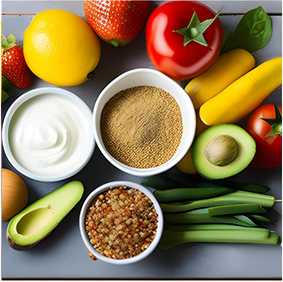
In today’s fast-paced world, it can be tempting to reach for convenient, processed foods to quickly satisfy our hunger. However, if you are seeking to elevate your cooking skills and take a step towards a healthier lifestyle, it’s time to look beyond the processed options and embrace the power of wholesome and unprocessed foods. By incorporating these ingredients into your meals, you can enhance the flavors, textures, and nutritional value of your dishes, unlocking a whole new level of culinary mastery. In this article, we will explore the benefits of cooking with wholesome and unprocessed foods, as well as provide some practical tips to help you get started on your journey towards a more wholesome and satisfying culinary experience.
Understanding processed foods
Definition of processed foods
Processed foods are defined as food products that have been altered from their natural state through various mechanical and chemical processes. These processes often include the addition of preservatives, additives, and artificial flavors, as well as the removal of nutrients and fiber. Processed foods can range from canned and frozen meals to packaged snacks, sodas, and fast food.
Common examples of processed foods
Some common examples of processed foods include pre-packaged meals, such as frozen dinners and instant noodles, as well as canned foods like soups and vegetables. Other processed foods include sugary breakfast cereals, potato chips, and soda drinks. These convenient and easily accessible options are often high in unhealthy fats, sodium, sugar, and artificial ingredients.
Health risks associated with processed foods
Consuming a diet high in processed foods can have detrimental effects on your health. Processed foods are often low in essential nutrients, such as vitamins, minerals, and fiber, which are important for overall well-being. Additionally, they are typically high in unhealthy fats, sodium, and added sugars, which can contribute to weight gain, high blood pressure, and an increased risk of chronic diseases, such as heart disease, diabetes, and certain types of cancer.
Benefits of cooking with wholesome and unprocessed foods
Improved nutritional value
Cooking with wholesome and unprocessed foods allows you to maximize the nutritional value of your meals. Whole foods, such as fruits, vegetables, whole grains, and lean proteins, are rich in essential nutrients, including vitamins, minerals, antioxidants, and fiber. By incorporating these foods into your cooking, you can ensure that you are providing your body with the necessary nutrients to support overall health and well-being.
Reduced intake of additives and preservatives
One of the key benefits of cooking with unprocessed foods is the reduction in your intake of additives and preservatives. Many processed foods contain artificial flavors, colors, and preservatives, which are added to enhance taste, texture, and shelf life. By cooking with fresh, whole ingredients, you can avoid these unnecessary additives and have greater control over what goes into your meals.
Enhanced flavor and taste
Cooking with wholesome and unprocessed foods often results in enhanced flavor and taste compared to processed options. Fresh ingredients, combined with herbs, spices, and natural seasonings, can create delicious and satisfying meals. By focusing on the natural flavors of ingredients, you can create a more enjoyable culinary experience that is both healthier and more enjoyable.
Greater control over ingredients
Cooking with unprocessed foods gives you greater control over the ingredients in your meals. You can choose the quality of your ingredients, such as opting for organic produce or responsibly sourced meats. You can also adjust seasoning and portion sizes to meet your specific dietary needs and preferences. This level of control allows you to tailor your meals to support your health goals and taste preferences.
Support for local farmers and sustainable practices
By cooking with unprocessed foods, you can also support local farmers and sustainable practices. Choosing locally sourced ingredients not only supports the local economy but also reduces the carbon footprint associated with long-distance transportation. Additionally, by selecting organic and sustainably grown produce, you can contribute to eco-friendly farming practices and promote a healthier environment.
Exploring wholesome and unprocessed ingredients
Seasonal fruits and vegetables
Incorporating seasonal fruits and vegetables into your cooking is a great way to enjoy wholesome and unprocessed ingredients. Seasonal produce is typically fresher, more flavorful, and more nutritious compared to out-of-season options. By focusing on what is in season, you can take advantage of peak freshness and optimize the nutritional benefits of these foods.
Whole grains and legumes
Whole grains and legumes are nutritious and versatile ingredients that can elevate your cooking game. Whole grains, such as quinoa, brown rice, and oats, are rich in fiber, protein, and essential nutrients. Legumes, such as lentils, chickpeas, and black beans, are excellent sources of plant-based protein and fiber. Incorporating these wholesome ingredients into your meals can increase their nutritional value and provide a satisfying, hearty texture.
Lean meats and poultry
When choosing meats and poultry, opt for lean cuts that are minimally processed. Lean meats, such as skinless chicken breast, turkey, and lean cuts of beef, provide important nutrients like protein, iron, and zinc. By selecting high-quality, unprocessed meats, you can ensure that your meals are both flavorful and healthful.
Fresh herbs and spices
Fresh herbs and spices are an essential component of cooking with unprocessed ingredients. They add depth, flavor, and aroma to your dishes without the need for excessive salt, unhealthy fats, or artificial flavorings. Whether it’s basil, cilantro, garlic, cinnamon, or turmeric, experimenting with different herbs and spices can elevate the taste profile of your meals while providing additional health benefits.
Natural sweeteners
Instead of relying on refined sugars, you can use natural sweeteners such as honey, maple syrup, or agave nectar. These options not only add sweetness to your dishes but also provide additional nutrients and flavors. Natural sweeteners are often less processed and have a lower glycemic index, making them a healthier alternative to refined sugars.
Healthy fats and oils
Incorporating healthy fats and oils into your cooking can greatly enhance both the taste and nutritional value of your meals. Avocado, olive oil, coconut oil, and nuts are excellent sources of healthy fats, which are essential for supporting brain function, hormone production, and overall cellular health. By choosing these unprocessed fats, you can enjoy flavorful meals while nourishing your body.
Tips for ingredient selection and preparation
Reading ingredient labels
When selecting processed foods, it is crucial to read and understand the ingredient labels. Look out for excessive amounts of added sugars, unhealthy fats, sodium, and artificial additives. By becoming more knowledgeable about what is in your food, you can make informed choices and select healthier options.
Choosing organic and locally sourced options
Opting for organic and locally sourced ingredients whenever possible can have numerous benefits. Organic options are free from synthetic pesticides and genetically modified organisms (GMOs), while locally sourced ingredients support local farmers and reduce transportation emissions. By prioritizing these choices, you can support a healthier environment and contribute to sustainable farming practices.
Understanding different cuts of meat
Being familiar with different cuts of meat can help you make informed decisions when purchasing. Lean cuts, such as sirloin, tenderloin, or skinless chicken breast, are typically lower in saturated fat and offer a healthier option. Understanding the characteristics and flavor profiles of different cuts can also help you select the most suitable one for your desired dish.
Soaking and sprouting grains and legumes
Soaking and sprouting grains and legumes can enhance their nutritional value and digestibility. Soaking grains and legumes reduces their phytic acid content, which can hinder nutrient absorption. Sprouting activates enzymes and increases nutrient availability. By incorporating these preparation techniques, you can optimize the health benefits of these wholesome ingredients.
Using fresh herbs and spices
Utilizing fresh herbs and spices can significantly enhance the flavor and aroma of your dishes. Fresh herbs are bursting with essential oils, antioxidants, and unique flavors. Spices, on the other hand, provide a wide range of tastes and health benefits. By using fresh options, you can elevate your culinary creations and add depth to your meals.
Replacing refined sugars with natural sweeteners
Instead of using refined sugars, experiment with natural sweeteners like honey, maple syrup, or dates. These alternatives not only provide sweetness but also add complex flavors and nutrients to your recipes. Reducing your intake of refined sugars can have significant health benefits, including better blood sugar control, reduced risk of obesity, and improved oral health.
Opting for healthier fats and oils
When cooking, choose healthier fats and oils, such as olive oil, avocado oil, or coconut oil. These options are rich in monounsaturated fats and have been shown to support heart health and reduce inflammation. By replacing unhealthy fats with healthier alternatives, you can enhance the nutritional value of your meals and reduce the risk of chronic diseases.
Tools and equipment for cooking with unprocessed foods
Quality chef’s knife
Investing in a high-quality chef’s knife is essential for preparing unprocessed foods. A sharp, sturdy knife allows for precise slicing, dicing, and chopping, making meal preparation more efficient and enjoyable. It is important to choose a knife that feels comfortable in your hand and offers excellent control.
High-speed blender
A high-speed blender is a versatile tool that can be used to create smoothies, soups, sauces, and even homemade nut or seed butters. It can blend and puree ingredients quickly and efficiently, ensuring a smooth and consistent texture. Look for a blender with a powerful motor and durable construction.
Food processor
A food processor is a multipurpose kitchen tool that can chop, slice, dice, grate, and blend ingredients. It is particularly useful for quickly processing large quantities of fruits, vegetables, nuts, or herbs. Choose a food processor with a range of attachments and a robust motor for optimal performance.
Mandoline slicer
A mandoline slicer is an excellent tool for achieving precise and even slices of fruits and vegetables. It allows for uniform thickness, which can enhance both the presentation and cooking process. Safety features, such as a handguard and nonslip base, are essential when choosing a mandoline slicer.
Steamer basket
A steamer basket is an essential tool for cooking vegetables, fish, and other foods in a way that preserves their nutrients and flavors. It allows you to steam your ingredients without submerging them in water, resulting in a healthier and more vibrant final product. Look for a steamer basket that fits your pots and pans securely.
Cast iron skillet
A cast iron skillet is a versatile and durable piece of cookware that can be used on the stovetop, in the oven, or even over a campfire. It provides even heat distribution and excellent heat retention, allowing for optimal cooking results. Proper seasoning and care are important to maintain the skillet’s non-stick properties.
Parchment paper
Parchment paper is a useful tool for cooking with unprocessed foods as it prevents sticking and makes cleanup easier. It can be used to line baking sheets, wrap foods for steaming, or create parchment packets for roasting. Look for unbleached parchment paper for a more eco-friendly option.
Stockpot
A stockpot is a large, deep pot that is perfect for making stocks, soups, stews, and pasta. With a spacious capacity, it allows for cooking larger quantities of ingredients and accommodating various cooking methods. Choose a stockpot with a thick bottom and sturdy handles for durability and even heat distribution.
Baking stones and sheets
Baking stones and sheets are essential for achieving crispy and evenly baked goods. They provide excellent heat distribution, ensuring that the food cooks evenly and retains moisture. A baking stone is particularly useful for pizza and bread, while baking sheets with nonstick coating are great for cookies and other baked treats.
Silicone baking mats
Silicone baking mats offer a non-stick surface for baking and can be an eco-friendly alternative to parchment paper. They are reusable and can withstand high temperatures, making them suitable for various cooking methods. Look for mats that fit your baking sheets and are easy to clean.
Techniques for maximizing flavor and nutrients
Sautéing and stir-frying
Sautéing and stir-frying are quick and versatile techniques that help retain the nutrients and flavors of unprocessed foods. Heat a small amount of oil in a skillet or wok and cook the ingredients over high heat, tossing or stirring frequently. The high heat allows for browning and caramelization while preserving the texture and taste of the ingredients.
Roasting and broiling
Roasting and broiling are techniques that add depth and intensity to the flavors of unprocessed foods. These methods involve cooking food at a high temperature, resulting in a crispy exterior and a tender interior. Roasting typically involves cooking in the oven, while broiling exposes the food directly to the heat source.
Steaming and poaching
Steaming and poaching are gentle cooking techniques that help retain the nutrients and natural flavors of unprocessed foods. Steaming involves cooking food over boiling water, while poaching involves cooking food in a flavored liquid. These methods are particularly suitable for vegetables, fish, and delicate proteins.
Grilling and barbecuing
Grilling and barbecuing are popular cooking methods that impart a smoky and charred flavor to unprocessed foods. Grilling typically involves cooking over an open flame, while barbecuing involves using indirect heat and smoking. These methods are excellent for meats, vegetables, and even fruits, creating an enjoyable outdoor cooking experience.
Braising and slow cooking
Braising and slow cooking are techniques that involve low and slow cooking over a long period. They are perfect for tough cuts of meat, root vegetables, and legumes. These methods allow for the breakdown of connective tissues, resulting in tender and flavorful dishes. Braising typically involves searing the food first before simmering in liquid, while slow cooking relies on low heat and longer cooking times.
Blanching and shocking
Blanching and shocking are quick techniques used to cook and preserve the vibrant colors and textures of unprocessed foods. Blanching involves briefly boiling the food and then plunging it into ice water to halt the cooking process. This technique is particularly useful for vegetables, as it helps retain their crispness and nutrients.
Fermenting and pickling
Fermenting and pickling are age-old preservation techniques that also add tangy and complex flavors to unprocessed foods. Fermenting involves allowing foods to naturally convert sugars into acids or alcohol. Examples include fermented vegetables like sauerkraut or kimchi. Pickling, on the other hand, involves preserving foods in a solution of vinegar or brine. Both processes can transform ordinary foods into delicious and gut-friendly creations.
Sprouting and dehydrating
Sprouting and dehydrating are techniques that can enhance the nutritional value and textures of unprocessed foods. Sprouting involves soaking and rinsing seeds, grains, or legumes until they begin to sprout. This process unlocks their potential nutrients and improves digestibility. Dehydrating involves removing moisture from food, like fruits, vegetables, or herbs, to prolong their shelf life while intensifying flavors.
Raw food preparation
Raw food preparation involves using unprocessed ingredients without cooking them. This technique helps preserve the natural enzymes, vitamins, and nutrients in the foods. Raw food recipes can include salads, smoothies, nut-based cheese, energy bars, and more. Including raw dishes in your meal planning can add variety and provide a refreshing contrast to cooked foods.
Creating balanced and nutritious meals
Building a variety of colors on your plate
When creating balanced and nutritious meals with unprocessed foods, aim to include a variety of colors on your plate. Vibrant fruits and vegetables of different colors provide a wide range of nutrients and antioxidants. Additionally, different colors often indicate different beneficial compounds in the foods, so incorporating a rainbow of colors ensures a diverse array of nutritional benefits.
Balancing macronutrients (carbohydrates, proteins, and fats)
To create balanced meals, it’s important to consider the macronutrient composition and ensure a good mix of carbohydrates, proteins, and fats. Carbohydrates provide energy and should be sourced from whole grains, fruits, and vegetables. Proteins are essential for building and repairing tissues and can be obtained from lean meats, fish, legumes, and dairy products. Healthy fats, derived from sources like avocados, nuts, seeds, and oils, support brain health and nutrient absorption.
Incorporating whole grains and lean proteins
Incorporating whole grains and lean proteins into your meals is a great way to create a satisfying and nutrient-dense plate. Whole grains like quinoa, brown rice, and whole wheat pasta provide fiber and essential nutrients. Lean proteins, such as chicken, turkey, fish, tofu, or tempeh, offer high-quality amino acids necessary for various bodily functions.
Adding fruits and veggies to every meal
Adding fruits and vegetables to every meal is an easy way to increase the nutritional value of your dishes. Fruits and vegetables are rich in vitamins, minerals, and fiber, which are important for overall health. Whether it’s sliced fruit in your breakfast, a colorful salad with lunch, or a side of roasted vegetables with dinner, aim to incorporate plenty of plant-based ingredients.
Exploring different cooking methods
To keep meals interesting and diverse, explore different cooking methods for your unprocessed ingredients. By varying techniques like sautéing, steaming, roasting, and grilling, you can achieve different flavors, textures, and levels of tenderness. Experimenting with different methods will help you discover new and exciting ways to enjoy wholesome and unprocessed foods.
Exploring global cuisines with unprocessed ingredients
Mediterranean cuisine
Mediterranean cuisine is renowned for its emphasis on fresh, unprocessed, and wholesome ingredients. This cuisine incorporates an abundance of fruits, vegetables, whole grains, olive oil, fish, and lean meats. By exploring Mediterranean recipes, such as Greek salad, hummus, grilled fish, or roasted vegetables with herbs, you can enjoy a delicious and healthful dining experience.
Asian cuisine
Asian cuisine offers a wide variety of dishes that are based on unprocessed and wholesome ingredients. From stir-fry vegetables and rice noodles to sushi rolls and miso soup, Asian recipes often feature vibrant flavors from vegetables, lean proteins, and a variety of herbs and spices. Exploring Asian cuisine can introduce you to unique and exciting ways to cook and enjoy unprocessed foods.
Mexican cuisine
Mexican cuisine is famous for its bold and vibrant flavors, many of which are derived from unprocessed ingredients. Dishes like fresh salsa, guacamole, grilled meats and fish, and bean-based dishes showcase the natural flavors of ingredients and provide a rich culinary experience. By incorporating Mexican flavors and ingredients into your meals, you can add a festive and healthful twist to your cooking.
Indian cuisine
Indian cuisine is known for its aromatic spices and diverse range of vegetarian and non-vegetarian dishes. Traditional Indian recipes often include unprocessed ingredients such as lentils, chickpeas, vegetables, yogurt, and a variety of spices. Experimenting with Indian cuisine can introduce you to new and exciting flavors and provide a wealth of wholesome and unprocessed ingredient options.
Middle Eastern cuisine
Middle Eastern cuisine features an array of unprocessed ingredients like fresh herbs, spices, vegetables, legumes, lean meats, and whole grains. Dishes such as tabbouleh, roasted vegetables with tahini sauce, grilled kebabs, and falafel highlight the freshness and flavors of these ingredients. Exploring Middle Eastern cuisine can offer a delightful journey into the world of wholesome and unprocessed foods.
Plant-based and vegan options
Plant-based and vegan options are gaining popularity as more people prioritize unprocessed and nutrient-dense foods. These diets emphasize fruits, vegetables, whole grains, legumes, nuts, and seeds, providing a wide range of essential nutrients without relying on animal products. Exploring plant-based and vegan recipes can open up new possibilities for cooking with wholesome and unprocessed ingredients.
Tips for meal planning and batch cooking
Creating a weekly meal plan
Creating a weekly meal plan can help you stay organized and ensure that you have a variety of balanced and nutritious meals throughout the week. Take some time to plan your meals in advance, considering your schedule, available ingredients, and dietary needs. This will save time, reduce food waste, and support your goals of cooking with wholesome and unprocessed foods.
Using seasonal ingredients
When meal planning, consider incorporating seasonal ingredients into your dishes. Seasonal produce tends to be more flavorful, nutritious, and cost-effective. Shopping for seasonal ingredients can also support local farmers and reduce the environmental impact associated with long-distance transportation.
Prepping ingredients in advance
Prepping ingredients in advance can make your cooking experience more efficient and enjoyable. Wash and chop vegetables, marinate meats, or cook grains and legumes ahead of time. Having these prepared ingredients on hand will save you time when it comes to meal preparation and cooking.
Utilizing leftovers and repurposing
Leftovers can be a valuable resource for creating new and exciting dishes. Rather than letting them go to waste, repurpose leftovers into new meals by adding fresh ingredients or transforming them into a different form. For example, turn roasted chicken into a chicken salad or incorporate leftover vegetables into a frittata or stir-fry.
Investing in quality food storage containers
Investing in quality food storage containers is essential for keeping your unprocessed foods fresh and organized. Opt for containers that are airtight and BPA-free to preserve the flavors and nutrients of your ingredients. Having a variety of sizes and shapes will allow you to store different types of foods with ease.
Embracing mindful and sustainable cooking habits
Reducing food waste
Reducing food waste is an important aspect of mindful and sustainable cooking. Plan meals carefully, buy only what you need, store leftovers properly, and find creative ways to use ingredients that may otherwise go to waste. By minimizing food waste, you can save money, reduce environmental impact, and support a more sustainable food system.
Composting and recycling
Composting and recycling are valuable practices that can help reduce waste and support a healthier environment. Compost your food scraps and other organic waste to create nutrient-rich soil for gardening. Additionally, recycle packaging materials whenever possible to minimize your eco-footprint and contribute to a more sustainable future.
Supporting local markets and farmers
Supporting local markets and farmers is a great way to embrace mindful and sustainable cooking habits. By shopping at farmers’ markets or joining a community-supported agriculture (CSA) program, you can connect with local producers, obtain fresh and seasonal ingredients, and support the local economy. This also reduces the carbon footprint associated with long-distance transportation.
Using sustainable cooking methods
Using sustainable cooking methods can help reduce energy consumption and minimize your carbon footprint. Opt for energy-efficient appliances, such as induction cooktops or convection ovens, and practice mindful cooking techniques that conserve energy, like using lids while cooking or matching pot sizes to burner sizes.
Growing your own herbs and vegetables
Growing your own herbs and vegetables is a rewarding way to embrace sustainable cooking habits. Even if you have limited space, herbs like basil, mint, or rosemary can be grown in small pots. Homegrown produce allows you to enjoy the freshest, most flavorful ingredients while reducing packaging waste and supporting a greener lifestyle.
In conclusion, cooking with wholesome and unprocessed foods offers a multitude of benefits for both your health and the environment. By understanding processed foods and their health risks, you can make informed choices and opt for fresh ingredients whenever possible. Cooking with unprocessed foods allows you to enhance nutritional value, reduce additives and preservatives, and enjoy enhanced flavors. Exploring various wholesome ingredients, selecting and preparing them with care, and using the right tools and techniques can elevate your cooking game. Building balanced and nutritious meals, embracing global cuisines, and incorporating sustainable practices all contribute to a healthier and more fulfilling culinary experience. So, go ahead, embrace the world of wholesome and unprocessed foods, and take your cooking to new heights.