Page Navigation
In today’s fast-paced and cluttered world, finding calm amidst the chaos may seem like an impossible feat. However, by embracing minimalism and transforming your home into a haven of simplicity, you can create a serene and peaceful sanctuary that promotes tranquility and enhances your well-being. With minimalist design principles and a mindful approach to decluttering, you can free yourself from the burden of excess and create a space that not only looks inviting but also nurtures your soul. Discover the transformative power of minimalism and embark on a journey towards a more serene and simplified way of living.
Creating a Minimalist Mindset
Understanding the Philosophy of Minimalism
In order to embrace a minimalist lifestyle, it is important to understand the philosophy behind it. Minimalism is not just about decluttering your physical space, but also about simplifying your life and focusing on what truly matters. It is about valuing experiences over material possessions and finding contentment in the present moment. By adopting a minimalist mindset, you can free yourself from the constant desire for more and cultivate a sense of peace and fulfillment.
Identifying the Benefits of Minimalism
There are numerous benefits to living a minimalist lifestyle. Firstly, it helps to reduce stress and overwhelm by eliminating unnecessary clutter and distractions from your life. With less physical possessions, you can enjoy a more organized and tranquil living environment. Minimalism also promotes mindful consumption, allowing you to make intentional choices about what you bring into your life. This can lead to financial savings and a reduced environmental impact. Additionally, by focusing on experiences and relationships rather than material possessions, you can cultivate a deeper sense of happiness and fulfillment.
Adopting a Minimalist Lifestyle
Adopting a minimalist lifestyle is a gradual process that requires conscious effort and commitment. Start by decluttering your physical space and letting go of items that no longer serve a purpose or bring you joy. As you progress, extend the principles of minimalism to other areas of your life, such as your digital presence, schedule, and even relationships. Embrace the idea of living with less and find joy in the simplicity and freedom that minimalism brings. Remember, minimalism is not about deprivation, but rather about focusing on what truly matters and creating a more meaningful life.
Decluttering Your Space
Assessing Your Belongings
To begin decluttering your space, it is important to assess your belongings. Take a systematic approach by going through each room and evaluating every item. Ask yourself whether each item is useful, brings you joy, or holds sentimental value. If the answer is no, it may be time to let go of it. Be honest with yourself and avoid holding onto items out of guilt or the fear of letting go. Remember, decluttering is about creating a living environment that supports your minimalist lifestyle and promotes a sense of peace and tranquility.
Sorting and Categorizing
Once you have assessed your belongings, it is time to sort and categorize them. Create designated areas for different categories such as clothing, books, kitchenware, and sentimental items. As you sort through your belongings, consider grouping similar items together and identifying any duplicates or excess. This will help you identify areas where you can further minimize and streamline your possessions. Keep in mind that the goal is to create a streamlined living space that only contains items you truly need and value.
Letting Go of Unnecessary Items
Letting go of unnecessary items can be challenging, especially if you have developed emotional attachments to them. However, it is important to remember that material possessions do not define your worth or happiness. Practice gratitude for the experiences or memories associated with items, and then release them. Consider donating or selling items that are in good condition and can benefit others. When letting go, focus on the freedom and liberation that comes with living a minimalist lifestyle. Embrace the idea of creating space for new experiences and opportunities by letting go of the old.
Organizing for Efficiency
Designing a Functional Layout
To maximize efficiency and create a minimalist living space, it is important to design a functional layout. Start by considering the flow of your home and how you move through each room. Arrange furniture and other items in a way that promotes ease of movement and accessibility. Avoid cluttering walkways and create clear pathways between rooms. Additionally, consider the purpose of each room and arrange furniture accordingly. By focusing on functionality, you can create a space that not only looks aesthetically pleasing but also enhances productivity and overall well-being.
Maximizing Storage Solutions
One of the key aspects of a minimalist lifestyle is effective storage solutions. Utilize storage options such as shelves, baskets, and storage containers to keep your belongings organized and out of sight. This will help maintain a clean and clutter-free living space. When choosing storage solutions, opt for ones that are minimalist in design and blend seamlessly with your overall aesthetic. Remember to regularly assess and declutter your storage spaces to prevent accumulation of unnecessary items.
Implementing Minimalist Furniture
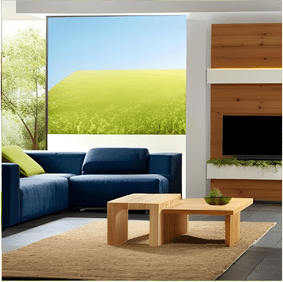
Choosing furniture that aligns with the principles of minimalism is crucial for creating a minimalist living space. Opt for furniture that is simple, functional, and free from unnecessary ornamentation. Invest in high-quality pieces that will withstand the test of time and do not contribute to a cluttered appearance. Consider multipurpose furniture that serves more than one function, such as a storage ottoman or a dining table with built-in storage. By selecting minimalist furniture, you can create a sense of harmony and simplicity in your home.
Choosing a Simple Color Palette
Understanding the Impact of Colors
Colors play a significant role in creating a minimalist living space. Different colors evoke different emotions and have various psychological effects. In a minimalist design, it is important to choose colors that promote a sense of calmness, serenity, and simplicity. Neutral colors such as white, beige, and gray are often preferred as they create a timeless and understated look. Shades of blue and green can also be used to create a tranquil and peaceful atmosphere. Avoid using too many bold or bright colors, as they can create visual clutter and disrupt the minimalist aesthetic.
Creating a Tranquil Atmosphere
The color palette you choose for your home can greatly contribute to the creation of a tranquil atmosphere. Opt for colors that are soothing and promote relaxation, such as light blues or soft earth tones. These colors can help create a sense of serenity and calmness, making your living space a haven of simplicity. Consider using different shades of the same color to create depth and visual interest without overwhelming the space. Remember, simplicity is key when it comes to choosing colors for a minimalist home.
Opting for Neutral and Earthy Tones
Neutral and earthy tones are often favored in minimalist design due to their timeless and versatile nature. These colors create a sense of warmth and harmony, making them ideal for creating a welcoming and cozy living space. Use shades of white, beige, taupe, and brown to create a neutral foundation, and then incorporate pops of color sparingly to add visual interest. By opting for neutral and earthy tones, you can achieve a minimalist aesthetic that is both inviting and visually pleasing.
Emphasizing Clean Lines and Clear Surfaces
Simplifying Decorative Elements
In a minimalist living space, it is important to simplify decorative elements to create a clean and clutter-free environment. Remove unnecessary decorative items and focus on a few key pieces that bring you joy and align with your aesthetic. Emphasize quality over quantity and choose pieces with clean lines and minimalistic designs. Consider incorporating natural elements such as plants or simple artwork to add visual interest without overwhelming the space. By simplifying your decor, you can create a sense of balance and harmony in your home.
Minimizing Visual Clutter
Visual clutter can detract from the minimalist aesthetic and create a sense of chaos. It is important to minimize visual clutter by keeping surfaces clear and free from unnecessary items. Avoid overcrowding shelves, countertops, and tables, and opt for a minimalistic approach to displaying your belongings. Use storage solutions to keep everyday essentials out of sight and only display items that have meaning or contribute to the overall aesthetic. By minimizing visual clutter, you can create a visually appealing and calm living space.
Using the Power of Negative Space
Negative space, also known as white space, is an important aspect of minimalist design. It refers to the empty space between and around objects and furniture. Utilizing negative space effectively can create a sense of balance and harmony in your living space. Allow for breathing room between furniture and avoid filling every corner of a room with objects. Embrace the beauty of simplicity and let negative space enhance the visual appeal of your home. By using the power of negative space, you can create a sense of calmness and serenity in your living environment.
Streamlining Technology and Digital Clutter
Reducing Unnecessary Gadgets
As technology continues to advance, it is easy to accumulate unnecessary gadgets that contribute to digital clutter. Take a minimalist approach to technology by identifying gadgets that you seldom use or do not bring value to your life. Consider donating or selling these gadgets to reduce clutter and promote a more minimalist lifestyle. Focus on keeping only the essential devices and embrace the idea of simplicity and mindfulness when it comes to technology.
Organizing Digital Files
In addition to decluttering physical possessions, it is important to tackle digital clutter as well. Organize your digital files by creating distinct folders and categorizing your files accordingly. Delete unnecessary files and regularly back up important documents to external storage devices or cloud-based services. Maintain a minimalist approach to your digital life by organizing your files in a streamlined and efficient manner. This will not only free up valuable digital space but also contribute to a sense of digital well-being.
Establishing Digital Boundaries
Establishing digital boundaries is crucial in maintaining a minimalist mindset. Set limits on your screen time and be mindful of the impact of excessive technology use on your well-being. Designate technology-free areas or specific time slots throughout the day where you disconnect from devices and focus on being present. By establishing digital boundaries, you can foster a more balanced and mindful approach to technology and reduce digital clutter in your life.
Creating Tranquil and Functional Bedrooms
Investing in Quality Bedding
A minimalist bedroom should provide a tranquil and restful atmosphere. Invest in high-quality bedding that promotes comfort and relaxation. Opt for organic and sustainable materials, such as organic cotton or bamboo, to create a more eco-friendly sleeping environment. Choose a neutral color palette for your bedding to maintain a minimalist aesthetic, and keep decorative pillows and blankets to a minimum. By investing in quality bedding, you can create a cozy and luxurious sanctuary for rest and rejuvenation.
Removing Distractions
A minimalist bedroom should be free from distractions to promote a better night’s sleep. Remove unnecessary electronics, such as televisions or computers, from your bedroom. These devices can disrupt your sleep patterns and hinder relaxation. Instead, create a serene atmosphere by incorporating soothing elements such as ambient lighting, calming scents, and soft textures. Keep surfaces clear and minimize visual clutter to create a calming and distraction-free space.
Implementing Simple Bedroom Layouts
When it comes to a minimalist bedroom, simplicity is key in the layout and design. Choose furniture with clean lines and minimalistic designs to create a sense of serenity. Keep furniture to a minimum and avoid overcrowding the space. Opt for a simple and functional layout that allows for easy movement and accessibility. The focus should be on creating a calming and restful environment that promotes a good night’s sleep and a sense of well-being.
Designing a Minimalist Kitchen
Clearing Countertops and Cabinets
A minimalist kitchen should have clear countertops and cabinets to create an uncluttered and efficient workspace. Remove unnecessary appliances and utensils from your countertops and store them in designated cabinets or drawers. Keep only the essential items within easy reach, such as your coffee maker or cutting board. Implement a system for organizing your cabinets and drawers to maintain a streamlined and clutter-free kitchen. By clearing countertops and cabinets, you can create a functional and aesthetically pleasing kitchen.
Curating Essential Kitchen Tools
In a minimalist kitchen, it is important to curate your collection of kitchen tools and utensils. Assess which items you truly need and use regularly, and consider donating or selling items that are redundant or seldom used. Invest in high-quality and versatile kitchen tools that serve multiple purposes. By curating your kitchen tools, you can simplify meal preparation and create a more efficient and organized cooking space.
Implementing Efficient Storage Solutions
Efficient storage solutions are essential in a minimalist kitchen. Utilize storage options such as pull-out drawers, hanging racks, and labeled containers to keep your kitchen organized and clutter-free. Group similar items together and ensure that everything has its designated place. Keep countertop appliances to a minimum and store them out of sight when not in use. Implementing efficient storage solutions will not only maximize your kitchen space but also promote a more minimalist and streamlined cooking environment.
Transforming Bathrooms into Serene Spaces
Organizing Toiletries and Essentials
In a minimalist bathroom, organization is key to creating a serene and clutter-free space. Keep your toiletries and essentials organized by utilizing storage solutions such as baskets, trays, or drawer dividers. Group similar items together and discard expired or unused products. Limit the number of decorative items on your countertops and opt for a minimalist approach to displaying your items. By organizing your toiletries and essentials, you can create a functional and visually appealing bathroom.
Simplifying Bathroom Decor
When it comes to a minimalist bathroom, simplicity is key in decor choices. Keep decorative elements to a minimum and focus on creating a clean and uncluttered atmosphere. Choose neutral and earthy tones for your bathroom decor to maintain a cohesive and calming aesthetic. Incorporate natural materials such as bamboo or wood to add warmth and texture. When selecting accessories, opt for minimalist designs that enhance the overall simplicity of the space. By simplifying your bathroom decor, you can create a spa-like ambiance that promotes relaxation and tranquility.
Creating a Spa-Like Ambiance
Transform your bathroom into a spa-like retreat by incorporating elements that promote relaxation and serenity. Consider adding soft lighting, such as dimmable lights or candles, to create a soothing atmosphere. Introduce calming scents through essential oil diffusers or scented candles. Add plush towels, bath mats, and bathrobes to enhance the sense of luxury and comfort. By creating a spa-like ambiance in your bathroom, you can transform it into a sanctuary where you can unwind and rejuvenate.
Enhancing the Entryway and Hallways
Eliminating Clutter at the Entrance
The entryway is the first impression of your home, and it is important to keep it clutter-free and welcoming. Eliminate unnecessary items, such as shoes or coats, from the entrance area. Implement a system for organizing shoes, such as a shoe rack or storage bench, to keep them off the floor. Designate a specific area for coats and accessories, such as a coat rack or hooks. By eliminating clutter at the entrance, you can create a sense of order and make a positive first impression on guests.
Designing Functional Shoe and Coat Storage
Functional shoe and coat storage is essential in a minimalist entryway. Consider implementing storage solutions such as a shoe cabinet, shoe shelves, or a designated storage area for shoes. Choose furniture pieces that serve dual purposes, such as a bench with shoe storage. For coats and accessories, opt for a coat rack or hooks to keep them organized and easily accessible. Designing functional shoe and coat storage will help maintain a clutter-free and organized entryway.
Creating a Welcoming Atmosphere
The entryway and hallways should create a welcoming atmosphere that sets the tone for the rest of your home. Consider incorporating elements such as a welcoming doormat, a mirror to create a sense of space, or a piece of artwork that reflects your personal style. Choose a soft and neutral color palette for the walls and the flooring to create a calm and inviting atmosphere. By creating a welcoming atmosphere in your entryway and hallways, you can set a positive and inviting tone for your home.
In conclusion, embracing minimalism and transforming your home into a haven of simplicity requires a shift in mindset, decluttering your space, organizing for efficiency, choosing a simple color palette, emphasizing clean lines and clear surfaces, streamlining technology and digital clutter, creating tranquil and functional bedrooms, designing a minimalist kitchen, transforming bathrooms into serene spaces, and enhancing the entryway and hallways. By following these steps and incorporating the principles of minimalism into your life, you can create a peaceful and harmonious living environment that promotes a sense of calmness and fulfillment. Embrace the beauty of simplicity and experience the transformative power of minimalism in your home.