Page Navigation
Immerse yourself in the soothing world of herbal teas as you discover the art of crafting these natural elixirs for enhanced well-being and joy. In this article, we explore the diverse benefits of herbal teas and how they can nurture your mind, body, and spirit. From calming chamomile to invigorating peppermint, we delve into the healing properties of various herbs and guide you through the process of creating your very own personalized blends. Explore the harmony and tranquility that awaits as you sip on these vibrant concoctions, infusing your days with the restorative power of nature.
Benefits of Herbal Tea
Herbal tea is not only a delicious beverage option but also offers numerous benefits for your overall well-being. When you enjoy a cup of herbal tea, you can experience various advantages that promote relaxation, support your immune system, aid digestion, improve sleep quality, and provide natural hydration.
Promotes Relaxation and Reduces Stress
One of the notable benefits of herbal tea is its ability to promote relaxation and reduce stress. Certain herbs such as chamomile and lavender are renowned for their calming properties, making them perfect for winding down after a long day. By sipping on a soothing cup of herbal tea, you can create a moment of tranquility amidst the hustle and bustle of daily life.
Boosts Immune System
Herbal tea can also give your immune system a much-needed boost. Herbs like echinacea and elderberry are known for their immune-supporting properties. Regular consumption of these herbal blends can bolster your body’s natural defenses, helping you stay healthy and fend off illnesses.
Aids Digestion and Relief from Gastrointestinal Issues
For those seeking relief from digestive issues, herbal tea can offer gentle assistance. Blends such as peppermint and ginger can soothe an upset stomach and aid in digestion. These herbs are known for their digestive properties, which can alleviate discomfort and promote a healthy gastrointestinal system.
Improves Sleep Quality
If you struggle with getting a good night’s sleep, herbal tea can be a wonderful natural remedy. Herbs like lemon balm and valerian root have been recognized for their calming effects on the body, promoting relaxation and better sleep quality. By incorporating these herbs into your nighttime routine, you can create a peaceful atmosphere and improve your sleep patterns.
Provides Natural Hydration
While herbal tea offers a delightful taste and various health benefits, it also provides a much-needed source of natural hydration. Staying hydrated is essential for overall well-being, and herbal tea can be a delicious alternative to plain water. As you indulge in different herbal blends, you can enjoy the added benefits of hydration, ensuring your body gets the moisture it needs to function optimally.
Choosing the Right Herbs
When it comes to crafting your own herbal tea blends, selecting the right herbs is crucial. To create a blend that suits your personal health and wellness goals, understanding different herbs and their benefits is essential. Consider researching the properties of various herbs, such as their relaxation, immune-supporting, digestive, or sleep-promoting effects.
Additionally, you should consider your own health needs and preferences when choosing herbs. Reflect on your personal health goals and what you hope to achieve through herbal tea consumption. Whether you seek stress relief, improved digestion, or better sleep, selecting herbs that align with your goals will ensure that you create a blend tailored to your individual needs.
Exploring flavor profiles and preferences is another vital aspect of choosing the right herbs. Each herb has its own distinct taste profile, ranging from delicate and floral to bold and earthy. By experimenting with different herbs, you can discover your preferred flavor combinations and create blends that tantalize your taste buds.
Lastly, ensure that you locate and source high-quality herbs for your tea blends. Look for reputable suppliers that offer organic and pesticide-free herbs. By prioritizing quality, you can trust that the herbs you use in your blends are pure and free from harmful substances.
Herbal Tea Blending Techniques
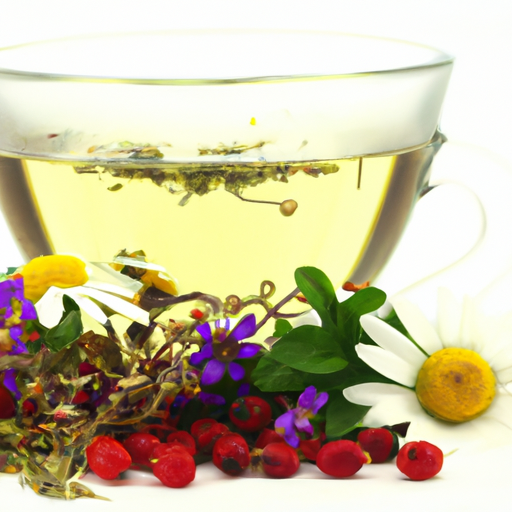
To create well-balanced and flavorful herbal tea blends, understanding herbal tea ratios and proportions is key. Each herb has its own strength and intensity, and finding the right balance between them is essential for a harmonious blend. Experiment with different ratios and proportions until you find the perfect combination that suits your taste preferences.
Creating balanced flavor profiles involves considering the characteristics of each herb and how they complement one another. Some herbs may have a stronger taste, while others may be more subtle. By combining herbs with complementary flavors, you can create a harmonious and enjoyable blend that appeals to your palate.
Exploring different steeping methods is also crucial for achieving the desired flavor and aroma in your herbal tea. Some herbs release their flavors more quickly, while others require a longer steeping time. By understanding the optimal steeping time for each herb, you can maximize the extraction of their beneficial properties and create a well-rounded cup of herbal tea.
When blending herbs for specific wellness goals, it is important to understand the properties and benefits of each herb. By identifying herbs that support your desired health needs, you can craft blends that address specific issues such as stress relief, immune support, digestion, or sleep enhancement. Get creative and experiment with different combinations to find the perfect herbal tea blend for your well-being.
Popular Herbal Tea Recipes
Now that you have a good understanding of the benefits of herbal tea and how to choose the right herbs and blend them effectively, let’s explore some popular herbal tea recipes that you can try at home. These recipes are designed to target specific wellness goals and provide a delightful tea-drinking experience.
Chamomile and Lavender Blend for Relaxation
To create a soothing blend that promotes relaxation, combine chamomile flowers and dried lavender buds. This combination provides a gentle and calming aroma, perfect for unwinding after a stressful day. Steep a tablespoon of chamomile flowers and a teaspoon of dried lavender buds in hot water for five to eight minutes, and enjoy a cup of tranquility.
Echinacea and Elderberry Blend for Immune Support
For a boost to your immune system, consider blending echinacea and elderberry. Echinacea has long been recognized for its immune-stimulating properties, while elderberry is rich in antioxidants and vitamins. Combine a tablespoon of dried echinacea leaves or flowers with a teaspoon of dried elderberries, steep in hot water for around ten minutes, and enjoy a cup of immune support.
Peppermint and Ginger Blend for Digestion
If you’re looking for relief from digestive issues, a blend of peppermint and ginger can work wonders. Peppermint has soothing properties that can ease an upset stomach, while ginger aids digestion and alleviates nausea. Combine a tablespoon of dried peppermint leaves with a teaspoon of dried ginger root, steep in hot water for five to seven minutes, and indulge in a cup of digestive relief.
Lemon Balm and Valerian Root Blend for Better Sleep
To improve your sleep quality, try a blend of lemon balm and valerian root. Lemon balm has calming properties, while valerian root promotes relaxation and aids in falling asleep. Mix a tablespoon of dried lemon balm leaves with a teaspoon of dried valerian root, steep in hot water for around ten minutes, and savor a cup of peaceful slumber.
Hibiscus and Rosehip Blend for Hydration
For a refreshing and hydrating herbal tea, combine hibiscus petals and dried rosehips. Hibiscus is known for its vibrant color and tart flavor, while rosehips offer a tangy and slightly sweet taste. Steep a tablespoon of dried hibiscus petals together with a teaspoon of dried rosehips in hot water for five to eight minutes, and relish a cup of naturally hydrating tea.
Experiment with these recipes and adjust the ratios according to your personal taste preferences. Feel free to add a touch of natural sweeteners such as honey or stevia if desired, but be mindful of the amount to maintain the health benefits of your herbal tea.
Harvesting and Drying Herbs
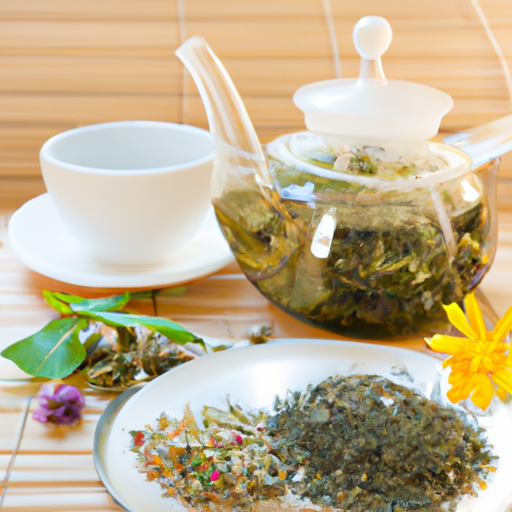
For those interested in a more hands-on approach to herbal tea, harvesting and drying your own herbs can be a rewarding experience. By harvesting herbs at the optimal time, effectively drying them, and using proper storage techniques, you can enjoy the freshness and potency of homegrown herbs in your tea blends.
Identifying the Optimal Time for Herb Harvesting
When it comes to harvesting herbs, timing is crucial to ensure maximum flavor and potency. Most herbs are best harvested in the morning, after the dew has dried, but before the heat of the day. This is when the essential oils and active compounds in the herbs are at their peak.
To determine if your herbs are ready for harvest, examine their leaves and flowers. Look for vibrant colors, healthy foliage, and developed flowers. Avoid harvesting herbs during or just after rainfall, as excess moisture can affect the quality of the herbs.
Methods for Drying Herbs Effectively
After harvesting, it’s important to dry your herbs properly to preserve their flavor and beneficial properties. There are several methods you can use to dry herbs effectively.
Air drying is one of the most common and simplest methods. Gather small bundles of herbs, tie the stems with twine, and hang them upside down in a well-ventilated area away from direct sunlight. Ensure that the herbs are dried quickly to prevent mold or mildew formation. Depending on the herb, the drying process may take anywhere from a few days to a couple of weeks.
Another method is drying herbs using a dehydrator. Dehydrators provide a controlled environment with consistent temperature and airflow, resulting in faster drying times. Follow the manufacturer’s instructions for drying herbs in the dehydrator, making sure the temperature is set to low to preserve the herbs’ quality.
Oven drying is an alternative method if you don’t have a dehydrator. Place the herbs on a baking sheet and set the oven to the lowest temperature possible. Keep the oven door slightly open to allow moisture to escape. Regularly check the herbs and remove them once they have dried completely.
Storage Techniques for Preserving Freshness
Proper storage techniques are essential to maintain the freshness and potency of your dried herbs. Ensure that your herbs are completely dry before storing them to prevent mold or degradation.
Store your dried herbs in airtight containers like glass jars or resealable bags, away from direct sunlight and moisture. Label each container with the herb’s name and harvest date for easy identification. Keep your herbs in a cool, dark, and dry place, such as a pantry or cupboard.
Some herbs, like lavender or rosemary, may retain their potency and flavor for up to a year, while others, like chamomile or mint, are best used within six months. Regularly check the herbs for any signs of spoilage or loss of aroma, and discard them if they appear dull or have an off-putting smell.
Tips for Growing Your Own Herbal Garden
Growing your own herbal garden can be a fulfilling and sustainable way to ensure a constant supply of fresh herbs for your tea blends. Whether you have a spacious backyard or just a small balcony, you can create an herb garden that suits your space and needs. Here are some tips to get started:
- Choose the right herbs: Select herbs that are suited to your climate and growing conditions. Some popular herbs for tea include mint, chamomile, lavender, lemon balm, and thyme.
- Provide proper sunlight: Most herbs thrive in full sun, so choose a location that receives at least six hours of direct sunlight per day. If you have limited sunlight, opt for herbs that can tolerate partial shade.
- Use quality soil: Ensure that your herbs have well-draining soil with good organic matter. If you have heavy clay soil, consider adding compost or sand to improve drainage.
- Water regularly: Herbs generally require adequate watering, but be careful not to overwater as it can lead to root rot. Water your herbs when the top inch of soil feels dry.
- Prune and harvest regularly: Regularly pruning your herbs promotes healthy growth and prevents them from becoming woody. Harvest your herbs frequently to encourage further growth and enjoy their fresh flavors in your tea blends.
- Protect from pests: Some herbs may be susceptible to pests like aphids or slugs. Use natural pest control methods such as companion planting or organic sprays to protect your herbs.
By following these tips and nurturing your herbal garden with care, you can experience the joy of cultivating your own herbs and enjoy the benefits they bring to your tea blends.
Preparing and Brewing Herbal Tea
Once you have your favorite herbs and blends ready, it’s time to prepare and brew your herbal tea. From selecting the right brewing equipment to determining water temperature and steeping times, these factors can significantly impact the taste and aroma of your herbal tea.
Exploring Different Brewing Equipment
When it comes to brewing herbal tea, you have several options for equipment, each offering its unique benefits.
Tea infusers or tea strainers are popular choices for loose leaf herbal tea. These small mesh or perforated containers allow the herbs to steep freely in hot water while keeping any loose particles contained. Tea infusers come in various sizes and designs, such as ball-shaped infusers or spoon-shaped strainers.
Tea bags are another convenient option, especially for those who prefer a mess-free brewing process. Fill empty tea bags with your desired herbs or purchase pre-filled herbal tea bags. Simply steep the tea bag in hot water according to the recommended time.
Teapots or teacups with built-in infusers provide an all-in-one solution for those who enjoy a more traditional brewing experience. The built-in infusers allow the herbs to steep directly in the pot or cup, eliminating the need for separate straining.
French presses, primarily used for coffee brewing, can also be repurposed for herbal tea brewing. Add your herbs to the press, pour hot water over them, and allow them to steep before pressing the plunger to separate the herbs from the brewed tea.
Experiment with different brewing equipment and find the one that suits your preferences and brewing habits best.
Proper Water Temperature and Steeping Times
To extract the optimal flavors and beneficial properties from your herbal tea, it is important to use the correct water temperature and steeping time for each herb.
Most herbal teas require water at a temperature just below boiling, around 190°F to 205°F (88°C to 96°C). Water at this temperature allows for the full extraction of the herbs’ flavors without scorching them.
Steeping times vary depending on the herbs used and personal taste preferences. As a general guideline, steep herbal tea for about five to ten minutes. However, some herbs, like chamomile or lavender, may benefit from an extended steeping time of up to 15 minutes to fully release their soothing properties.
If you prefer a stronger flavor, you can increase the steeping time, but be cautious not to oversteep as it can result in a bitter taste.
Enhancing Flavor with Natural Sweeteners and Additives
While herbal tea is often enjoyed on its own, you may wish to enhance its flavor with natural sweeteners or other additives.
Natural sweeteners such as honey, maple syrup, or stevia can be added to herbal tea, providing a touch of sweetness without overpowering the natural flavors of the herbs. Adjust the amount of sweetener to suit your taste preferences, starting with a small quantity and gradually increasing if desired.
If you prefer a more complex flavor profile, consider adding other ingredients such as citrus slices, cinnamon sticks, or crushed cardamom pods. These additives can infuse your herbal tea with delightful aromas and unique taste combinations.
Remember, the goal is to elevate the flavor without overpowering the natural characteristics of the herbs. Experiment with different combinations to find your perfect blend.
Tips for Creative Tea Presentation
Presentation plays a significant role in enhancing your herbal tea experience. Consider these tips to add a touch of creativity to your tea presentation:
- Serve your herbal tea in beautiful and delicate teacups, allowing you to appreciate the colors and aromas.
- Garnish your tea with fresh herbs, edible flowers, or citrus slices to add visual appeal.
- Use a clear glass teapot or infusion pitcher to showcase the beauty of the herbs as they steep in hot water.
- Experiment with different serving vessels such as teacups with matching saucers or elegant tea sets to create an atmosphere of sophistication and indulgence.
- Arrange your tea cups or teapots on a beautiful tray with complementary accompaniments such as honey sticks, sugar cubes, or small treats to offer a complete and visually pleasing tea experience.
By paying attention to the presentation details, you can elevate your tea-drinking rituals and create memorable moments of enjoyment.
Personalizing Your Herbal Tea Experience
One of the greatest advantages of crafting your own herbal tea blends is the ability to personalize your tea experience according to your individual preferences and unique health needs. Let’s explore some ways you can customize your herbal tea to make it truly your own.
Blending Herbs Based on Individual Preferences
With a wide variety of herbs available, you can tailor your tea blends to suit your personal taste preferences. Whether you enjoy the bold flavors of peppermint or the subtle floral notes of chamomile, you can create blends that resonate with your palate.
Experiment with different combinations of herbs, taking note of the flavors and aromas that appeal to you. By blending herbs that you genuinely enjoy, you can create a tea experience that brings you joy and satisfaction with every cup.
Adapting Recipes to Suit Specific Health Needs
Each individual has unique health needs, and your herbal tea blends can be adapted to address specific wellness concerns. For example, if you suffer from inflammation, consider incorporating anti-inflammatory herbs like turmeric or ginger into your blends.
If you struggle with anxiety or stress, try combining calming herbs such as chamomile, lavender, and lemon balm. For digestive issues, blend herbs known for their digestive properties, such as fennel or peppermint.
Research the properties and benefits of different herbs to identify the ones that align with your specific health needs. Adapting recipes to suit your needs ensures that you are harnessing the full potential of herbal tea for your well-being.
Experimenting with Different Tea Flavors and Combinations
The world of herbal tea is vast, offering an array of flavors and combinations to explore. Don’t be afraid to experiment and step out of your comfort zone. Try new herbs, mix unexpected flavors, and embrace the joy of discovery.
Keep a tea journal to record your blends, tasting notes, and personal favorites. This way, you can revisit your successful creations and continue to innovate, creating unique tea experiences that reflect your adventurous spirit.
Creating Personalized Tea Rituals
Incorporating personalized tea rituals into your daily routine can elevate your herbal tea experience. Carve out intentional moments of calm and reflection, allowing yourself to fully savor the sensory journey of tea-drinking.
Designate a special space in your home where you can enjoy your herbal tea undisturbed. Set aside time each day to sit, relax, and indulge in the ritual of preparing and sipping your tea. Use this time to quiet your mind, reflect on the day, or simply appreciate the flavors and aromas that unfold with each sip.
By creating personalized tea rituals, you can cultivate mindfulness and bring a sense of tranquility into your everyday life.
Pairing Herbal Tea with Food
Pairing herbal tea with food can enhance your culinary experience and create delightful flavor combinations. Here are some tips for pairing herbal tea with different types of food:
Understanding Flavor Profiles and Food Pairings
When pairing herbal tea with food, it’s important to understand the flavor profiles of both the tea and the food. Consider the intensity, texture, and dominant flavors of the dish, as well as the aroma and taste of the herbal tea.
For lighter dishes, such as salads or seafood, opt for herbal teas with delicate flavors, such as chamomile or green tea blends. These teas won’t overpower the subtlety of the food but will provide a refreshing accompaniment.
For heartier or spicier foods, choose herbal teas with bolder flavors, such as ginger or cinnamon blends. The robustness of these teas can balance the richness or heat of the dish, creating a harmonious combination.
Complementing Savory Dishes with Herbal Tea
Herbal teas can be a delightful complement to savory dishes. For example, a cup of peppermint tea can help cleanse the palate after a rich or heavy meal. The minty freshness can refresh your taste buds and aid in digestion.
If you’re serving dishes with strong flavors, such as spicy curries or tangy sauces, consider pairing them with a floral tea like hibiscus or jasmine. The delicate floral notes can provide a pleasant contrast and balance to the boldness of the flavors.
Enhancing Desserts and Sweets with Tea Flavors
Herbal teas can also be used to infuse desserts and sweets with unique flavors. For instance, you can infuse a cream or custard base with chamomile or lavender, adding a subtle floral essence to your dessert.
Pairing a fruity herbal tea like hibiscus or berry blends with chocolate-based desserts can create an interesting balance of flavors. The tartness of the tea can cut through the richness of chocolate, resulting in a more dynamic taste experience.
Consider incorporating herbal teas into syrups, glazes, or reductions to drizzle over pastries or ice cream, adding complexity and depth to your sweet treats.
Exploring Unique Culinary Creations
Don’t be afraid to experiment with unconventional culinary creations using herbal tea as an ingredient. Infuse herbal tea into marinades, dressings, or sauces to impart unique flavors to savory dishes. Blend herbal tea into smoothies or cocktails for a creative twist on familiar beverages. The possibilities are endless when it comes to incorporating herbal tea into your culinary adventures.
By exploring different flavor combinations and using herbal tea as an ingredient, you can elevate your dining experience and create memorable meals that delight the senses.
Using Herbal Tea for Aromatherapy
Beyond its taste and health benefits, herbal tea can also be utilized for aromatherapy purposes. Aromatherapy involves harnessing the scents of essential oils or herbal infusions to promote well-being and relaxation. Here’s how you can incorporate herbal tea into your aromatherapy practice:
Exploring the Connection Between Scent and Well-Being
Scent has a profound impact on our emotions and well-being. Different scents can evoke specific feelings and moods, whether it’s a sense of calm, invigoration, or nostalgia. By exploring the connection between scent and well-being, you can use herbal tea blends to enhance your relaxation practices.
Creating Herbal Tea Blends for Aromatic Enjoyment
To create herbal tea blends for aromatic enjoyment, focus on herbs that have strong and pleasant aromas. Aromatic herbs such as lavender, rosemary, or mint can provide a delightful olfactory experience during tea brewing.
Instead of simply sipping the tea, take a moment to inhale the fragrant steam rising from your cup. Close your eyes, breathe deeply, and allow the aroma to envelop your senses. This simple act can create a moment of calm and relaxation, making your tea-drinking experience more immersive.
Incorporating Tea Aromatherapy into Relaxation Practices
Tea aromatherapy can be integrated into your relaxation practices to enhance the soothing effects. Create a serene environment by lighting scented candles or using essential oil diffusers that complement the fragrance of your herbal tea.
As you enjoy your cup of tea, engage in deep breathing exercises or meditation. Inhale the aromatic steam, focusing on the calming sensations it brings and allowing your body and mind to unwind.
By combining the sensory aspects of tea aromatherapy with relaxation techniques, you can create a multi-sensory experience that promotes inner peace and tranquility.
Using Tea-Infused Products for a Sensory Experience
Tea-infused products such as bath oils, body scrubs, or candles can further enhance your sensory experience and extend the benefits of tea aromatherapy beyond the teacup. Look for products that incorporate the scents of herbs commonly used in herbal teas, such as lavender, chamomile, or rose.
Indulge in a relaxing bath infused with herbal tea bath oil or unwind with a soothing massage using tea-infused body oil. These products can help create a spa-like atmosphere, providing you with a blissful sensory experience that complements the calming effects of herbal tea.
Sustainable and Ethical Considerations
When crafting herbal teas, it’s important to consider sustainable and ethical practices. By making conscious choices, you can support the well-being of both the environment and the communities involved in the production of herbs. Here are some factors to consider:
Choosing Organic and Pesticide-Free Herbs
Opting for organic and pesticide-free herbs ensures that your tea blends are free from harmful chemicals and supports sustainable agricultural practices. Look for suppliers that prioritize organic cultivation and use natural methods for pest control.
By selecting organic herbs, you contribute to the preservation of biodiversity and protect the health of workers and ecosystems.
Supporting Fair Trade and Ethical Sourcing Practices
Choose suppliers and brands that prioritize fair trade and ethical sourcing practices. Fair trade ensures that workers in the supply chain receive fair wages and work in safe conditions. Ethical sourcing promotes sustainable livelihoods for farmers and herbalists, fostering economic empowerment and social well-being.
Look for certifications or labels such as Fair Trade Certified or Rainforest Alliance Certified to ensure that the herbs in your tea blends have been sourced responsibly.
Eco-Friendly Packaging Options
Consider the packaging of the herbs you purchase. Look for suppliers that use eco-friendly and sustainable packaging materials, such as recyclable or biodegradable packaging. Opt for minimal packaging whenever possible to reduce waste and environmental impact.
If you have the opportunity, choose bulk herbs and bring your own reusable containers to refill, thereby minimizing single-use packaging.
Exploring Community-Supported Agriculture for Herbs
Supporting local and community-supported agriculture (CSA) initiatives can promote sustainable farming practices and strengthen the connection between consumers and growers. Look for CSA programs or farmers’ markets in your area that offer locally grown herbs. By purchasing directly from local growers, you can ensure freshness and support the local economy.
Consider starting your own herb garden to supplement your herbal tea needs. By growing your own herbs, you have full control over the cultivation methods and can ensure that they are pesticide-free and grown sustainably.
By making sustainable and ethical choices, you can contribute to the well-being of the planet and the communities involved in producing the herbs that bring joy to your cup.
In conclusion, crafting herbal teas can be a delightful and rewarding journey that combines taste, wellness, and a connection with nature. By understanding the benefits of herbal tea and learning to choose the right herbs, blend effectively, and brew with care, you can create a personalized tea experience that enhances your well-being and brings joy to your daily routine. From promoting relaxation to supporting your immune system, herbal tea offers a multitude of benefits that can be tailored to your specific health needs. So why not embark on this journey of flavors, scents, and mindfulness, and explore the world of herbal teas for enhanced well-being and joy?