Page Navigation
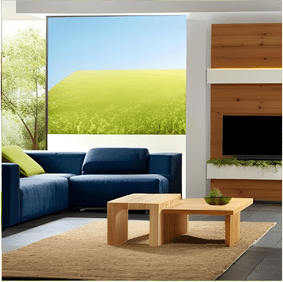
Picture yourself entering your home after a long, chaotic day. As you step inside, you are immediately greeted by a sense of serenity and calm. The clutter is nonexistent, each item thoughtfully chosen and purposefully placed. This is not just a clean and tidy space, but a haven of tranquility. Welcome to the world of mindful minimalism, where the art of intentionally curating your living environment can have a profound impact on your overall well-being. In this article, we will explore the transformative power of mindful minimalism and how it can help you create a balanced and tranquil home environment.
Creating a Mindful Space
Decluttering and Simplifying
In order to create a mindful space, the first step is to declutter and simplify your home environment. Take a look at each room and assess your belongings. Consider what items bring you joy and serve a purpose in your life, and let go of those that do not. By decluttering, you can create a sense of spaciousness and reduce visual distractions, allowing you to focus on what truly matters.
Choosing Natural and Sustainable Materials
Another important aspect of creating a mindful space is choosing natural and sustainable materials for your furniture, decor, and everyday items. Opt for materials such as wood, bamboo, and cork, which are not only aesthetically pleasing but also have a minimal impact on the environment. By making sustainable choices, you can create a sense of harmony and connection with nature within your home.
Creating Functional Areas
To promote mindfulness in your home, it is essential to create functional areas that cater to your specific needs and activities. Designate specific spaces for relaxation, work, hobbies, and socializing. By creating dedicated areas for different activities, you can establish a sense of structure and organization, making it easier to focus on the present moment and engage fully in each task or activity.
Intentional Furniture and Decor
Investing in Quality Pieces
When furnishing your mindful space, it is important to invest in quality pieces that will stand the test of time. Choose furniture and decor items that are made to last, using durable materials and craftsmanship. By investing in quality pieces, you can create a sense of permanence and stability within your home, allowing you to fully appreciate and connect with your surroundings.
Choosing a Neutral Color Palette
In order to cultivate a sense of tranquility and balance, opt for a neutral color palette when selecting furniture and decor. Colors such as whites, beiges, and grays can create a calming and soothing atmosphere, promoting a sense of peace and relaxation. By choosing neutral colors, you can create a timeless and harmonious environment that supports your mindfulness practice.
Incorporating Natural Elements
To enhance the mindful ambiance of your space, incorporate natural elements into your furniture and decor. Use plants, stones, and natural textures to bring the outdoors inside and create a sense of connection with nature. By integrating natural elements, you can create a harmonious and grounding environment that promotes a deeper sense of presence and well-being.
Embracing Simplicity in Design
Avoiding Excess and Overstimulation
In a mindful space, it is important to avoid excess and overstimulation. Keep your design simple and minimal, focusing on what truly matters. Avoid cluttering your space with unnecessary decorations or furniture. By embracing simplicity, you can create a calm and peaceful environment that allows for greater clarity and focus.
Focusing on Clean Lines and Minimalist Forms
When designing your mindful space, prioritize clean lines and minimalist forms in your furniture and decor. Minimalist design can create a sense of order and simplicity, allowing for a more focused and tranquil atmosphere. Choose furniture with sleek and simple designs, avoiding unnecessary embellishments. By focusing on clean lines and minimalist forms, you can create a visually pleasing and uncluttered environment.
Utilizing Negative Space
Incorporating negative space, also known as empty or blank space, into your design is essential for cultivating a mindful environment. Negative space provides breathing room for the eyes and mind, allowing your attention to be drawn to focal points and creating a sense of balance. By utilizing negative space, you can create a visually harmonious and peaceful atmosphere that supports your mindfulness practice.
Promoting Tranquility Through Lighting
Utilizing Natural Light
One of the key elements in creating a tranquil space is by utilizing natural light. Open up your curtains or blinds to let in as much natural light as possible. Natural light not only enhances the overall aesthetic of a room but also has a positive impact on your mood and well-being. It promotes a sense of connection with the outside world and provides a gentle and calming illumination throughout your space.
Choosing Soft and Warm Lighting
In addition to natural light, choosing soft and warm artificial lighting is crucial in promoting tranquility. Opt for warm-toned bulbs that emit a cozy and relaxing glow. Soft lighting creates a soothing ambiance and helps to create a sense of intimacy and peacefulness in your mindful space.
Implementing Dimmers and Candlelight
To further enhance the calming atmosphere of your space, consider implementing dimmers and candlelight. Dimmers allow you to adjust the intensity of your lighting to suit your mood and needs, providing flexibility in creating a tranquil environment. Candlelight, on the other hand, creates a warm and flickering glow that instills a sense of serenity and relaxation. By incorporating these lighting options, you can create a soothing and harmonious atmosphere that supports your mindfulness practice.
Mindful Storage Solutions
Maximizing Space with Multifunctional Furniture
In a mindful space, it is important to maximize storage while maintaining a clutter-free environment. Opt for multifunctional furniture pieces that serve dual purposes, such as storage ottomans or beds with built-in drawers. These furniture options provide hidden storage space, allowing you to keep your belongings organized and out of sight. By maximizing space with multifunctional furniture, you can create a tidy and serene environment.
Utilizing Hidden Storage Options
Another way to maintain a clutter-free space is to utilize hidden storage options. Choose furniture pieces with hidden compartments or storage shelves that blend seamlessly with the overall design. This ensures that essential items are easily accessible while maintaining a visually uncluttered space. By utilizing hidden storage options, you can create a clean and organized environment that promotes mindfulness and tranquility.
Organizing Belongings with Minimalist Systems
To create a sense of order and simplicity within your space, organize your belongings using minimalist systems. Invest in bins, baskets, or drawer organizers to keep items categorized and easily accessible. Avoid overcrowding your storage spaces and practice regular decluttering to maintain a minimalist approach to organization. By organizing your belongings with minimalist systems, you can create a streamlined and serene environment that supports your mindfulness practice.
Creating a Technology-Free Zone
Establishing Boundaries with Electronics
In a mindful space, it is important to establish boundaries with electronics. Designate specific times and areas where electronic devices are not allowed. Limit the use of screens and technology, especially in areas meant for relaxation or quiet reflection. By establishing boundaries with electronics, you can create a dedicated space that encourages present-moment awareness and minimizes distractions.
Designating a Technology-Free Area
Create a technology-free area within your home where you can go to disconnect and recharge. This can be a specific room, a corner, or simply a designated spot with comfortable seating and calming decor. By designating a technology-free area, you create a sanctuary where you can fully immerse yourself in mindfulness practices, enjoy moments of solitude, and engage in face-to-face interactions with others.
Promoting Face-to-Face Interaction
Encourage face-to-face interaction by creating spaces within your home that are conducive to conversation and connection. Arrange seating areas in a way that invites engagement and interaction. By promoting face-to-face interaction, you can foster meaningful relationships, cultivate a sense of community, and create a space where genuine human connection is valued.
Implementing a Daily Mindfulness Practice
Designating a Meditation Space
Incorporate a designated meditation space within your mindful environment. This can be as simple as a cushion or a comfortable chair placed in a quiet corner, or as elaborate as a dedicated room. Choose calming decor, such as candles or plants, to enhance the ambiance of your meditation space. By designating a meditation space, you create a physical reminder to prioritize and engage in regular mindfulness practices.
Incorporating Mindful Activities
In addition to meditation, incorporate other mindful activities into your daily routine. This can include yoga, journaling, or engaging in creative pursuits. Dedicate space within your home for these activities, ensuring that you have the necessary equipment or supplies readily available. By incorporating mindful activities, you cultivate a sense of intention and presence in your daily life.
Practicing Gratitude and Reflection
Create a space in your home for gratitude and reflection. Whether it’s a gratitude journal or a quiet corner with meaningful objects, this area serves as a reminder to pause, reflect, and express gratitude. Take a moment each day to appreciate the present moment and acknowledge the blessings in your life. By practicing gratitude and reflection, you cultivate a sense of contentment and deepen your mindfulness practice.
Bringing Nature Indoors
Introducing Houseplants
One effective way to bring nature indoors is by introducing houseplants into your space. Not only do houseplants add a touch of greenery and beauty to your environment, but they also improve air quality and promote a sense of calm. Choose low-maintenance plants that thrive indoors, and place them strategically throughout your space to create a connection with nature and enhance your overall well-being.
Incorporating Natural Materials
In addition to houseplants, incorporate natural materials into your furniture and decor. Opt for wooden furniture, jute rugs, or woven baskets to add an organic and earthy feel to your space. By incorporating natural materials, you create a grounding and soothing environment that invites a deeper connection with nature.
Creating a Zen Garden or Water Feature
For those seeking a more immersive nature experience, consider creating a zen garden or incorporating a water feature into your space. A zen garden can be as simple as a small tray filled with sand and rocks, while a water feature can range from a tabletop fountain to a larger installation. These elements bring a sense of serenity and tranquility to your space, mimicking the calming effects of nature and fostering a deeper sense of mindfulness.
Mindful Cleaning and Maintenance
Adopting Eco-Friendly Cleaning Practices
In a mindful space, it is important to adopt eco-friendly cleaning practices. Choose cleaning products that are free from harsh chemicals and toxins, opting for natural and environmentally friendly alternatives. Use microfiber cloths or reusable cleaning tools to reduce waste and minimize the use of disposable products. By adopting eco-friendly cleaning practices, you can create a space that is not only clean but also sustainable and mindful of the environment.
Creating a Cleaning Routine
Establishing a regular cleaning routine is essential to maintain a clutter-free and serene environment. Create a schedule for daily, weekly, and monthly tasks to ensure that your space remains clean and organized. Incorporate these cleaning tasks into your daily mindfulness practice, treating them as a form of meditation or active mindfulness. By creating a cleaning routine, you cultivate a sense of order and cleanliness that supports your overall well-being.
Maintaining a Clutter-Free Environment
Finally, maintaining a clutter-free environment is crucial for a mindful space. Regularly declutter and organize your belongings to prevent accumulation and ensure that your space remains visually uncluttered. Embrace the principle of “one in, one out” and be mindful of what you bring into your home. By maintaining a clutter-free environment, you create a calm and peaceful space that allows for greater clarity and focus.
Sustainable and Ethical Shopping
Choosing Local and Small Businesses
When it comes to furnishing and decorating your mindful space, choose local and small businesses whenever possible. Support artisans and craftsmen who prioritize sustainability and ethical practices. By choosing local and small businesses, you contribute to the local economy and help ensure that your purchases align with your values.
Opting for Secondhand and Vintage Finds
Consider opting for secondhand and vintage finds when shopping for furniture and decor. Thrift stores, antique shops, and online platforms offer a wide range of unique and well-crafted pieces that can add character and charm to your space. Choosing secondhand and vintage items reduces waste and promotes sustainability by giving new life to pre-loved treasures.
Prioritizing Fair Trade and Sustainable Products
Prioritize fair trade and sustainable products in your shopping decisions. Look for certifications such as Fair Trade or Rainforest Alliance when purchasing goods such as coffee, tea, or chocolate. When buying textiles or clothing, choose items made from organic or recycled materials. By prioritizing fair trade and sustainable products, you make a positive impact on both the environment and the lives of those involved in the production process.
In conclusion, creating a mindful space involves decluttering and simplifying, choosing natural and sustainable materials, creating functional areas, incorporating intentional furniture and decor, embracing simplicity in design, promoting tranquility through lighting, adopting mindful storage solutions, creating a technology-free zone, implementing a daily mindfulness practice, bringing nature indoors, practicing mindful cleaning and maintenance, and making sustainable and ethical shopping choices. By following these principles and incorporating them into your home environment, you can cultivate a balanced and tranquil space that supports your mindfulness practice and promotes overall well-being. Through thoughtful design and mindful choices, you can create a sacred sanctuary within your own walls.