
Page Navigation
In today’s fast-paced world, finding ways to improve both physical strength and flexibility is crucial for a healthy and balanced lifestyle. Mindful Movement: Yoga Poses for Strength and Flexibility offers a holistic approach to wellness, combining mindfulness with yoga to promote not only a stronger and more flexible body but also a calmer and more focused mind. Discover a series of yoga poses designed to challenge and stretch your body, all while cultivating mindfulness and self-awareness. Whether you are a beginner or an experienced yogi, these poses will allow you to cultivate strength, improve flexibility, and find a sense of overall well-being. Join us on this journey of mindful movement and unlock the incredible benefits of yoga for your body and mind.
I. Benefits of Mindful Movement
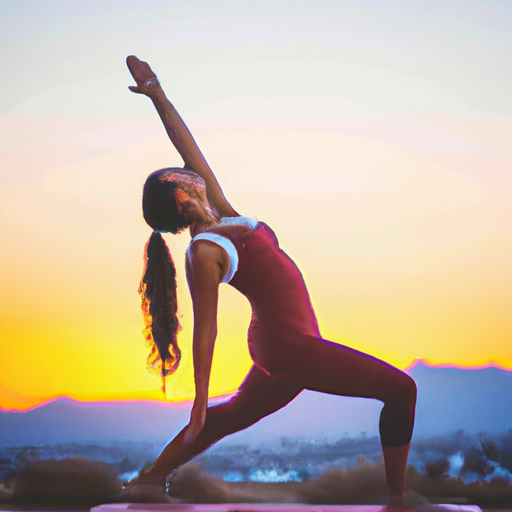
Mindful movement, particularly through the practice of yoga, offers a multitude of benefits for both the body and mind. Engaging in mindful movement exercises can have a transformative impact on your overall well-being.
A. Increased strength
One of the primary benefits of mindful movement is the development of increased strength. Yoga poses target specific muscle groups, helping to build and tone muscles throughout the body. With consistent practice, you will notice enhanced muscle definition and improved overall strength. Strong muscles not only support physical activities, but also contribute to better posture and balance.
B. Improved flexibility
Another significant benefit of mindful movement is the improvement of flexibility. Regular practice of yoga poses gently stretches and lengthens muscles, tendons, and ligaments, increasing your range of motion. Improved flexibility not only aids in better performance during physical activities, but also helps prevent injuries and reduces muscle soreness. It also improves posture and overall body alignment.
C. Reduced stress and anxiety
Mindful movement, such as yoga, is widely known for its ability to reduce stress and anxiety. As you engage in the practice, you become fully present, shifting your focus from worries and anxieties to the sensations and movements of your body. This shift in attention promotes relaxation, slows down the heart rate, and triggers the body’s relaxation response, leading to a greater sense of calm and well-being.
D. Enhanced focus and concentration
Mindful movement practices, including yoga, are excellent tools for improving focus and concentration. During the practice, you are encouraged to bring your full attention to your body, breath, and movement, cultivating present-moment awareness. Regular engagement in mindful movement exercises can translate into improved cognitive function, increased productivity, and a heightened ability to concentrate on tasks in your daily life.
II. Yoga Poses for Strength
Yoga poses specifically designed to build strength offer a challenging yet rewarding way to improve muscle tone and overall physical power.
A. Warrior I
Warrior I, or Virabhadrasana I, is a standing pose that targets the legs, glutes, and core muscles. To perform Warrior I, start by stepping one leg back into a lunge position, with your front foot facing forward and your back foot turned slightly inward. Raise your arms overhead, reaching towards the sky, and engage your core as you sink deeper into the lunge. This pose strengthens the legs, shoulders, and arms while improving stability and balance.
B. Chair Pose
Chair Pose, or Utkatasana, is a powerful pose that targets the legs, glutes, and core muscles. Start by standing tall with your feet together. As you inhale, bend your knees and sit back as if you were sitting in an imaginary chair. Raise your arms overhead, keeping them parallel to each other. Engage your core, lengthen your spine, and hold the pose for several breaths. Chair Pose strengthens the lower body, particularly the quadriceps and glutes, while also improving posture.
C. Boat Pose
Boat Pose, or Navasana, is a challenging core-strengthening pose that targets the abdominal muscles. Begin by sitting on the floor with your legs extended in front of you. As you exhale, lift your legs off the ground, keeping them straight, and lean back slightly, balancing on your sitting bones. Extend your arms forward, parallel to the floor. Engage your core muscles and hold the pose for several breaths. Boat Pose strengthens the core and also engages the hip flexors, lower back, and quadriceps.
D. Plank Pose
Plank Pose, or Phalakasana, is a fundamental and effective pose for engaging the entire body and building overall strength. Begin by getting into a push-up position, with your hands directly beneath your shoulders and your legs extended straight behind you. Engage your core, glutes, and thighs, and hold the pose for several breaths. Plank Pose targets the abdominals, shoulders, arms, and legs, while also improving stability and posture.
III. Yoga Poses for Flexibility
Yoga poses that promote flexibility can help increase your range of motion, prevent injuries, and improve body alignment.
A. Downward Facing Dog
Downward Facing Dog, or Adho Mukha Svanasana, is a widely recognized pose that stretches and lengthens the muscles throughout the body. From a tabletop position, lift your hips up towards the ceiling, bringing your body into an inverted ‘V’ shape. Press your hands into the mat, allowing your heels to reach towards the ground. Focus on lengthening your spine and breathing deeply. Downward Facing Dog stretches the hamstrings, calves, shoulders, and back muscles, while also building strength in the arms and shoulders.
B. Standing Forward Bend
Standing Forward Bend, or Uttanasana, is a relaxing and rejuvenating pose that stretches the hamstrings and lengthens the spine. Start by standing tall with your feet hip-width apart. As you exhale, hinge forward at the hips, reaching your hands towards the floor or placing them on your shins. Bend your knees slightly to protect the lower back if needed. Relax your head and neck, allowing gravity to gently pull you deeper into the stretch. Standing Forward Bend improves flexibility in the hamstrings, calves, and lower back, while also calming the mind.
C. Butterfly Pose
Butterfly Pose, or Baddha Konasana, is a seated pose that opens up the hips and stretches the inner thighs. Sit on the floor and bring the soles of your feet together, allowing your knees to fall open to the sides. Hold onto your feet or ankles, lengthen your spine, and gently press your elbows into your thighs to deepen the stretch. Stay in this pose for several breaths, feeling the hips and inner thighs release tension and gradually increase in flexibility.
D. Camel Pose
Camel Pose, or Ustrasana, is a backbend that stretches the front of the body, including the chest, shoulders, and hip flexors. Kneel on the floor with your knees hip-width apart. Place your hands on your lower back, fingers pointing down. As you inhale, lift your chest and gently arch your back, allowing your head to fall back if it feels comfortable. Engage your glutes and thighs to protect your lower back. Hold the pose for several breaths, feeling the stretch across the front of your body.
IV. Yoga Poses for Both Strength and Flexibility
Certain yoga poses offer the unique benefit of simultaneously enhancing both strength and flexibility. These poses challenge the body in different ways, helping to cultivate a balanced physical practice.
A. Upward Facing Dog
Upward Facing Dog, or Urdhva Mukha Svanasana, is a rejuvenating pose that strengthens the arms, shoulders, and core, while also stretching the chest and hip flexors. Begin by lying flat on your stomach with your legs extended behind you. Place your palms on the mat beside your shoulders, elbows bent. As you inhale, press your palms into the mat and lift your chest and torso off the ground, straightening your arms. Engage your core and thighs, keeping your legs active. Hold the pose for several breaths and feel a deep stretch across the front of your body.
B. Bridge Pose
Bridge Pose, or Setu Bandha Sarvangasana, is a gentle backbend that strengthens the glutes, hamstrings, and lower back, while also stretching the chest and hip flexors. Lie on your back with your knees bent and feet hip-width apart. Place your arms by your sides, palms facing down. On an inhale, press your feet into the mat and lift your hips, engaging your glutes and core. You can interlace your fingers behind your back, pressing your arms into the ground for added support. Hold the pose for several breaths, feeling the strength in your lower body and the release of tension in your chest and hips.
C. Tree Pose
Tree Pose, or Vrksasana, is a standing balancing pose that strengthens the legs and core, while improving focus and concentration. Begin by standing tall with your feet hip-width apart. Shift your weight onto one foot and rest the sole of your opposite foot on the inner thigh or calf of your standing leg, avoiding placing the foot directly on the knee joint. Bring your hands into prayer position at your heart center. Engage your core and find a steady point of focus to help maintain balance. Hold the pose for several breaths before switching to the other side. Tree Pose builds strength in the standing leg and challenges the body to find stability and balance.
D. Wheel Pose
Wheel Pose, or Chakrasana, is an advanced backbend that strengthens the arms, shoulders, back, and core, while also offering an intense stretch for the chest and hip flexors. Lie on your back with your feet hip-width apart and your knees bent. Place your hands beside your shoulders, fingers pointing towards your feet. On an inhale, press into your hands and feet, lifting your hips and torso off the ground. Straighten your arms and engage your glutes and thighs. Hold the pose for several breaths, feeling the strength and openness in your entire body.
V. Mindful Movement Practices
In addition to specific yoga poses, incorporating mindful movement practices into your routine can deepen your experience and bring about greater awareness and balance.
A. Breathing Exercises
Breathing exercises, or pranayama, are an essential component of mindful movement. Various techniques, such as deep belly breathing or alternate nostril breathing, help calm the mind, reduce stress, and increase overall well-being. Incorporating breathing exercises into your mindful movement routine can further enhance the benefits of the physical practice, facilitating a deeper connection between the body and mind.
B. Meditation
Meditation is a powerful mindful movement practice that allows you to cultivate present-moment awareness and a sense of inner calm. Taking a few moments each day to sit in stillness, focusing on your breath or a chosen point of focus, can help alleviate stress, enhance mental clarity, and improve overall mental well-being. Practicing meditation alongside your yoga routine can deepen your experience and bring about a greater sense of mindfulness in your everyday life.
C. Visualization
Visualization is a mindfulness technique that involves using mental imagery to positively influence your well-being and performance. During mindful movement practices, you can incorporate visualization by imagining yourself in a particular pose or engaging in a physical activity with ease and grace. This visualization technique can enhance your focus, concentration, and physical performance, helping you tap into your inner strength and potential.
VI. Creating a Mindful Movement Routine
Developing a mindful movement routine allows you to reap the benefits of mindful movement consistently and integrate it into your daily life.
A. Set an Intention
Before starting your mindful movement practice, take a moment to set an intention for your session. This intention can be a specific goal you want to achieve or a mindset you wish to cultivate, such as strength, flexibility, calmness, or balance. Setting an intention helps you stay focused and grounded throughout your practice.
B. Warm Up
Always start your mindful movement routine with a warm-up to prepare your body for the ensuing physical activity. This may include gentle stretching, joint rotations, or a short cardio exercise to increase blood flow and warm up the muscles. A well-structured warm-up helps prevent injuries and primes your body for the more challenging poses or exercises to come.
C. Sequence Poses
When creating your mindful movement routine, select a sequence of yoga poses that align with your goals and abilities. Consider including poses for both strength and flexibility, as well as poses that combine both qualities. It is important to choose poses that challenge you but are still accessible and safe for your level of experience. As you progress, you can gradually introduce more advanced poses into your routine.
D. Cool Down
Completing your mindful movement routine with a cool-down is crucial for restoring balance to your body and preventing muscle soreness. A cool-down may involve gentle stretching, deep breathing, or even a short meditation. This phase of the practice allows your body to relax, promotes muscle recovery, and prepares you for a smooth transition back into your daily activities.
VII. Tips for Practicing Mindful Movement
To have a fulfilling and safe mindful movement practice, there are a few important tips to keep in mind:
A. Start Slowly and Gradually
When beginning a mindful movement practice, it is important to start slowly and gradually build up your strength, flexibility, and endurance. Pushing too hard or trying to perform advanced poses before your body is ready can lead to injuries or burnout. Listen to your body’s cues and respect its limits, allowing it to progress at its own pace.
B. Listen to Your Body
During your mindful movement practice, it is crucial to listen to your body and honor its signals. If a pose or movement feels uncomfortable or painful, modify it or skip it altogether. Every body is unique, and what works for one person may not work for another. Pay attention to how your body feels in each pose and adjust accordingly to ensure a safe and enjoyable practice.
C. Stay Present and Focused
Mindful movement is all about being present in the moment and fully engaging with your body and breath. When practicing, strive to stay focused on the sensations, movements, and alignment of your body. Avoid getting caught up in thoughts or distractions that take you away from the present moment. Cultivating a sense of mindfulness during your practice can deepen your connection with yourself and enhance the benefits of the movements.
D. Practice Regularly
Consistency is key when it comes to a mindful movement practice. Aim to practice regularly, ideally incorporating it into your daily routine. Whether it’s a short session in the morning, a lunchtime break, or an evening ritual, find a time that works best for you and make it a priority. Regular practice will help you progress in strength and flexibility, as well as deepen your mind-body connection.
VIII. Incorporating Mindful Movement into Your Daily Life
To truly embrace the benefits of mindful movement, it is essential to incorporate it into your daily life beyond the dedicated practice sessions.
A. Morning Routine
Start your day on a positive note by incorporating a mindful movement practice into your morning routine. This can be as simple as a few minutes of stretching, a short meditation, or a quick yoga flow. By beginning your day with mindful movement, you set the tone for the rest of the day, fostering a sense of presence, calm, and overall well-being.
B. Midday Breaks
In the midst of a busy day, take short breaks to engage in mindful movement. This could be as brief as a few minutes of deep breathing or stretching at your desk, or even a quick walk outdoors to reconnect with nature and refresh your mind. These micro-practices throughout the day help alleviate stress, improve focus, and boost productivity.
C. Evening Relaxation
Wind down in the evening by incorporating mindful movement practices that promote relaxation and prepare your body for restful sleep. This can include gentle stretching, restorative yoga poses, or a guided meditation. By incorporating mindful movement into your evening routine, you create a transition from the busyness of the day to a state of calm and relaxation, setting the stage for a peaceful night’s sleep.
IX. Overcoming Challenges in Mindful Movement
While mindful movement offers numerous benefits, there can be challenges along the way. Here are some common obstacles and strategies to overcome them:
A. Lack of Time
Finding time for mindful movement can often be a challenge in our busy lives. However, even small pockets of time can be utilized effectively. Opt for shorter practices when time is limited, such as focusing on a few key poses or engaging in brief breathing exercises. Cultivating a regular routine and prioritizing your practice will help overcome this challenge over time.
B. Physical Limitations
Each individual has unique physical limitations, and it is important to respect and work within these limitations when practicing mindful movement. Modify poses or choose alternative exercises that are safe and comfortable for your body. Seek professional guidance or consult with a healthcare professional if you have specific concerns about an existing injury or condition.
C. Mental Restlessness
Restlessness of the mind can be a common challenge during mindful movement practices. When thoughts and distractions arise, gently acknowledge them without judgment and then redirect your focus back to the present moment, the sensations in your body, or your breath. Reframing your mindset and viewing thoughts as passing clouds can help cultivate greater mental stillness and presence.
D. Self-Judgment
It is common to compare ourselves to others or harbor self-judgment during our mindful movement practice. Remember that your practice is personal and unique to you. Embrace self-compassion and focus on your own progress, growth, and enjoyment rather than comparing yourself to others. Appreciating your body’s abilities and limitations fosters a positive mindset and enhances the overall experience of mindful movement.
X. Seeking Professional Guidance in Mindful Movement
While practicing mindful movement on your own can be enriching, seeking professional guidance can provide invaluable support and deepen your practice.
A. Joining Yoga Classes
Attending yoga classes led by qualified instructors can offer guidance, structure, and community support. In a class setting, instructors can provide personalized adjustments and modifications to ensure safe and effective practice. Additionally, practicing alongside others can create a sense of community and inspiration.
B. Hiring a Personal Trainer
If you prefer a more individualized approach, hiring a personal trainer with experience in mindful movement can provide targeted guidance and support. A personal trainer can create a tailored program that suits your specific goals, abilities, and limitations, helping you progress safely and effectively.
C. Online Resources and Apps
In today’s digital age, there is a plethora of online resources and apps available for mindful movement practices. These resources provide instructional videos, guided classes, and meditation sessions that can be accessed anytime and anywhere. While using online resources, it is essential to choose reputable sources and follow proper guidance to ensure a safe and beneficial practice.
In conclusion, mindful movement, particularly through the practice of yoga, offers numerous benefits for both the body and mind. From increased strength and flexibility to reduced stress and enhanced focus, incorporating mindful movement practices into your daily life can lead to transformative experiences. By exploring various yoga poses, engaging in breathing exercises and meditation, and creating a routine that fits your lifestyle, you can embrace the power of mindful movement and reap its wide-ranging rewards. Whether you join a yoga class, hire a personal trainer, or explore online resources, seeking professional guidance can further enhance your mindful movement journey. Embrace the practice of mindful movement and unlock your true potential for strength, flexibility, and overall well-being.