Page Navigation
In “Minimalism Unveiled: A Deeper Look into the Art of Living with Less,” you will embark on a profound exploration into the philosophy of minimalism and its transformative power. Discover how the conscious decision to embrace simplicity can lead to a more meaningful and fulfilling life. This article uncovers the essential principles and practical strategies for incorporating minimalism into your everyday existence, revealing the liberating effects it can have on your physical, mental, and emotional well-being. Get ready to embark on a journey of self-discovery as you unlock the secrets to living with less and experiencing life more deeply.
What is Minimalism?
Defining minimalism
Minimalism is a philosophy and lifestyle that emphasizes the importance of living with intentionality and purpose. It is a conscious decision to simplify one’s life by focusing on what truly matters, and eliminating the excess that often clutters our physical, mental, and emotional spaces. By minimizing material possessions and distractions, individuals who choose to embrace minimalism create a space for clarity, mindfulness, and fulfillment.
Origins of minimalism
Minimalism has been present in various cultures and time periods throughout history. However, it gained significant traction in the art world during the 20th century, particularly through movements such as De Stijl and Bauhaus. Artists like Piet Mondrian and Ludwig Mies van der Rohe were pioneers in simplifying their creative expressions, leading to the development of minimalistic aesthetics. From there, minimalism gradually permeated into other aspects of life, including design, architecture, and ultimately, personal lifestyles.
Minimalism as a lifestyle choice
As a lifestyle choice, minimalism encourages individuals to intentionally curate their surroundings, belongings, and experiences. By consciously choosing to live with less, one can free themselves from the burden of excess and unlock a sense of freedom and contentment. Minimalism is a deeply personal journey, and its manifestations vary from person to person. Whether it involves decluttering physical spaces, streamlining digital environments, or simplifying relationships, the essence of minimalism lies in living with purpose and embracing what truly brings joy and meaning to life.
The Benefits of Living with Less
Reduced stress and anxiety
One of the most significant benefits of minimalism is the reduction of stress and anxiety. The overwhelming clutter and constant accumulation of possessions can weigh heavily on our minds, creating a sense of chaos and unease. By consciously choosing to live with less, you can create a calm and serene environment that promotes mental well-being. Minimalism allows you to let go of the unnecessary and focus on what truly matters, promoting a greater sense of peace and tranquility in your daily life.
Enhanced focus and productivity
Living in a minimalist environment enables greater focus and productivity. By eliminating distractions and keeping only the essentials, you create a space that fosters deep concentration and efficiency. With less physical and mental clutter vying for your attention, you can direct your energy towards the tasks at hand and achieve a heightened state of concentration. This increased focus allows you to be more productive, accomplish your goals more efficiently, and achieve a greater sense of satisfaction and fulfillment.
Increased financial freedom
One of the practical advantages of minimalism is the opportunity for increased financial freedom. By embracing a minimalist lifestyle, you become more intentional with your purchases and learn to prioritize quality over quantity. This mindset shift reduces impulsive buying and encourages mindful consumption. As a result, you will save money in the long run and have the financial freedom to allocate resources towards experiences and endeavors that truly align with your values.
Improved physical and mental health
Living with less has a profound impact on both your physical and mental well-being. In terms of physical health, minimalism encourages the simplification of your living spaces, leading to easier maintenance and cleaner environments. A well-organized and clutter-free home reduces the accumulation of dust and allergens, contributing to a healthier living environment. Moreover, minimalism promotes mental clarity, reduces decision fatigue, and fosters a greater sense of inner peace and contentment. By decluttering both your physical and mental spaces, you create a space for improved overall well-being.
Embracing Minimalism in Your Home
Decluttering your space
Decluttering is at the core of embracing minimalism in your home. Begin by identifying possessions that no longer serve you or bring you joy. Start with one area at a time, such as a closet or a room, and sort your belongings into categories: keep, donate, and discard. This process allows you to let go of unnecessary items and create a more intentional living environment.
Organizing with intention
Once you have decluttered, organizing your remaining belongings with intentionality is key to maintaining a minimalist home. Invest in storage solutions that align with the aesthetic and functionality you desire. Opt for versatile and multi-purpose containers to maximize the space and keep everything easily accessible. Creating designated spaces for each item will not only keep your home organized but also make it easier to maintain a clutter-free environment in the long term.
Adopting a minimalist interior design
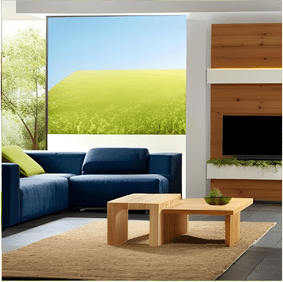
Incorporating minimalist design principles into your home can enhance the overall aesthetic and ambiance. Embrace clean lines, neutral color palettes, and a sense of openness. Choose furniture and decor items that serve a purpose and avoid excessive ornamentation. Minimalist interior design promotes visual clarity and promotes a sense of calm and tranquility.
Creating functional and multi-purpose areas
Minimalism encourages the creation of functional and multi-purpose areas within your home. Embrace a minimalist mindset when arranging furniture and decor, focusing on making each space efficient and purposeful. For example, a home office can also serve as a guest room by incorporating a convertible desk and a comfortable pull-out sofa. By maximizing the functionality of each area, your home becomes a reflection of your intentional and minimalist lifestyle.
Minimalism in Wardrobe and Personal Style
Building a capsule wardrobe
A capsule wardrobe is a collection of essential clothing items that can be mixed and matched to create a variety of outfits. Building a capsule wardrobe is an effective way to simplify your wardrobe while still maintaining a sense of personal style. Choose high-quality, versatile pieces that suit your lifestyle and can be easily layered and accessorized. By investing in timeless and well-made garments, you reduce the need for excessive clothing while ensuring you always have a well-curated selection of outfits to choose from.
Investing in quality over quantity
Adopting a minimalist approach to your wardrobe means prioritizing quality over quantity. Instead of accumulating a vast array of clothing items that rarely get worn, focus on investing in well-made pieces that will withstand the test of time. By purchasing fewer items of higher quality, you not only reduce waste but also ensure that your wardrobe consists of items that you truly love and feel confident wearing.
Adopting a signature personal style
Minimalism allows you to develop and embrace a signature personal style that reflects your true self. By eliminating the distractions of excessive clothing and trends, you can focus on curating a wardrobe that truly resonates with your individuality. Embrace simplicity, neutral tones, and classic silhouettes or explore your own unique sense of style. By practicing mindful consumption and only adding items that align with your personal aesthetic, you develop a sense of authenticity and confidence in your personal style.
Purchasing mindfully and ethically
Minimalism encourages conscious consumption and ethical choices. When purchasing new clothing items, consider the materials, production processes, and environmental impact. Opt for sustainable and ethically made garments, supporting brands that align with your values. By making mindful and ethical choices, you contribute to a more sustainable and compassionate fashion industry while also fostering a deeper connection with the clothing items you own.
Minimalism in Digital Spaces
Digital decluttering and organization
In our modern world, digital clutter can be just as overwhelming as physical clutter. Take time to declutter your digital spaces, including your email inbox, computer files, and smartphone apps. Delete unnecessary files and unsubscribe from email lists that no longer add value to your life. Organize your digital files into folders and create a system that allows you to easily find and access what you need. By curating and organizing your digital spaces, you create a more streamlined and efficient digital environment.
Reducing screen time and distractions
Living a minimalist lifestyle includes being mindful of your screen time and reducing unnecessary distractions. Set boundaries for screen usage and be intentional about avoiding mindless scrolling on social media or other time-consuming digital activities. By limiting your exposure to digital distractions, you create more space for focused and meaningful activities, fostering a deeper sense of presence in your daily life.
Managing digital relationships
Minimalism invites us to reflect on the quality and meaningfulness of our relationships, even in the digital realm. Evaluate your social media connections and digital relationships, considering whether they add value or bring unnecessary stress and negativity into your life. Unfollow accounts that no longer inspire or uplift you, and prioritize meaningful interactions with those who truly matter. By managing your digital relationships, you create a digital space that aligns with your values and enhances your overall well-being.
Creating a minimalist digital workspace
For those who work or study remotely, creating a minimalist digital workspace is key to productivity and focus. Minimize distractions by keeping only essential apps and tools accessible on your desktop. Organize your digital files and folders in a logical and streamlined manner, ensuring easy navigation and efficient workflow. A minimalist digital workspace essentially mirrors the principles of a minimalist physical workspace, promoting clarity, concentration, and efficiency.
Minimalist Travel and Experiences
Packing light and smart
Minimalism extends beyond the boundaries of our homes and into our travel experiences. When traveling, adopt a minimalist approach to packing by carefully selecting versatile clothing items and essential travel necessities. Focus on packing only what you truly need and avoid the temptation to overpack. By traveling light, you alleviate the burden of lugging around excessive possessions and create a sense of freedom and ease during your journey.
Slow travel and meaningful experiences
Embrace the concept of slow travel, which involves immersing yourself in a destination and savoring each experience. Rather than rushing through an itinerary, take the time to connect with the local culture, appreciate the natural beauty, and engage in meaningful interactions. Slow travel allows you to form a deeper connection with your surroundings and cultivate a sense of gratitude and contentment.
Disconnecting to connect with the present
In the age of constant connectivity, it is important to disconnect from technology and embrace the present moment. Minimalist travel includes setting aside designated time to unplug from devices and immerse yourself fully in your surroundings. Whether it’s taking a walk in nature, enjoying a delicious meal, or simply observing the world around you, allow yourself to fully engage with the present and create meaningful memories that will stay with you.
Finding beauty in simplicity while exploring
Minimalism invites us to appreciate the beauty and simplicity in our surroundings. When exploring new destinations, embrace the minimalist mindset by seeking out moments of stillness and simplicity. It could be the beauty of a serene landscape, the architecture of a minimalistic building, or the taste of a simple and thoughtfully prepared meal. By finding beauty in the simplicity of your travel experiences, you can cultivate a greater sense of wonder, appreciation, and mindfulness.
The Psychological Shift of Minimalism
Letting go of consumerism and materialism
Minimalism challenges the consumerist mindset that often dominates our society. By consciously choosing to live with less, you embark on a journey of letting go of the constant need for more possessions. Materialism is replaced with a focus on experiences, relationships, and personal growth. Letting go of consumerism and materialism allows you to break free from the cycle of constant desire and find contentment in the present moment.
Shifting focus from possessions to experiences
Minimalism encourages a shift in focus from possessions to experiences. Rather than pursuing material wealth, invest your time and resources in creating meaningful memories and engaging in enriching experiences. Whether it’s travel, learning new skills, or spending quality time with loved ones, experiences hold greater value and contribute to personal growth and fulfillment.
Cultivating gratitude and contentment
Living with less fosters a sense of gratitude and contentment. By decluttering physical and mental spaces, you gain a greater appreciation for the things that truly matter. Minimalism allows you to recognize the abundance and beauty in simplicity, nurturing a sense of contentment and gratitude for the present moment. This shift in perspective cultivates a more positive and mindful outlook on life.
Discovering freedom in detachment
Detaching ourselves from excessive possessions and distractions liberates us from the weight of materialism. Minimalism encourages a sense of freedom and detachment from the physical and emotional clutter that often holds us back. By letting go of attachments, both material and emotional, we create a space for personal growth, self-discovery, and a deeper connection with ourselves and the world around us.
Minimalism and Sustainability
Reducing environmental impact
Minimalism and sustainability go hand in hand. By living with less, we reduce our environmental footprint and contribute to a more sustainable future. When we consume mindfully and prioritize quality over quantity, we reduce waste and the demand for excessive production. By embracing minimalism, we actively participate in the movement towards a more sustainable and eco-friendly lifestyle.
Choosing quality and eco-friendly products
Minimalism involves being intentional with our purchases and choosing products that are both durable and eco-friendly. Opt for items that are made from sustainable materials, manufactured ethically, and designed to last. By investing in high-quality products, we reduce the need for frequent replacements and contribute to a more sustainable consumption pattern.
Repairing and repurposing instead of replacing
As minimalists, we prioritize repairing and repurposing items instead of immediately replacing them. By embracing this approach, we extend the lifespan of our possessions, reduce waste, and minimize our impact on the environment. Repairing and repurposing not only aligns with minimalist values but also promotes a more sustainable and mindful approach to consumption.
Supporting local and ethical brands
Minimalism encourages supporting local and ethical brands that align with our values. By choosing to purchase from local businesses and ethical brands, we support responsible production practices and contribute to the well-being of our communities. Supporting local economies and ethical brands fosters a more sustainable and conscious approach to consumerism.
Minimalism in Relationships and Social Life
Surrounding yourself with meaningful connections
Minimalism extends to our relationships and social life. Surrounding ourselves with meaningful connections is essential for a fulfilled and minimalist lifestyle. Evaluate your social circle and identify the relationships that bring joy, inspiration, and support into your life. Nurture these connections and let go of toxic or draining relationships that do not align with your values. By surrounding yourself with meaningful connections, you create a space for authentic and fulfilling relationships.
Simplifying social obligations and commitments
Minimalism invites us to simplify our social obligations and commitments. Evaluate the activities and events that truly align with your interests and values, and let go of obligations that do not bring genuine joy. By focusing on quality over quantity in your social calendar, you create more space for meaningful interactions and personal well-being.
Prioritizing quality time and authentic interactions
Minimalism encourages prioritizing quality time and authentic interactions with loved ones. Instead of striving for a busy schedule filled with numerous social engagements, prioritize spending quality time with those who truly matter. Embrace meaningful conversations, shared experiences, and deep connections. By prioritizing quality over quantity, your relationships will flourish and bring greater joy and fulfillment to your life.
Letting go of toxic relationships and negative energy
Embracing minimalism means recognizing and letting go of toxic relationships and negative energy in our lives. Evaluate the relationships that drain your energy and bring negativity, and create boundaries to protect your well-being. Letting go of these toxic relationships opens up space for positive and fulfilling connections, enabling you to lead a more harmonious and fulfilling life.
Challenges and Tips for Embracing Minimalism
Overcoming sentimental attachment to possessions
One of the significant challenges of embracing minimalism is letting go of sentimental attachment to possessions. It can be difficult to part with items that hold memories or sentimental value. Overcome this challenge by focusing on the experience and memories associated with the item, rather than the physical object itself. Take photos or create a memory box to preserve the essence of the item, allowing you to let go without sacrificing the sentimental value.
Dealing with societal pressure and expectations
Living a minimalist lifestyle may go against societal norms and expectations, which can lead to external pressure and judgment. Overcome this challenge by staying true to your values and focusing on the benefits and fulfillment that minimalism brings to your life. Surround yourself with like-minded individuals who support your choices and seek inspiration from the minimalist community.
Avoiding relapse into excessive consumerism
It is essential to remain mindful and aware of the allure of excessive consumerism, as it can be tempting to fall back into old habits. Practice mindful consumption by asking yourself if a purchase is truly necessary or if it aligns with your values and needs. Create a list of criteria that a potential purchase must meet before making it, such as its versatility, durability, and the impact it will have on your life. By staying committed to mindful consumption, you can avoid relapsing into excessive consumerism.
Finding balance and adapting minimalism to your lifestyle
Minimalism is a personal journey, and finding balance is key to its successful implementation in your life. Adapt minimalism to your unique circumstances, preferences, and lifestyle. The goal is not to pursue a perfect state of minimalism but rather to create a life that is intentional, purposeful, and aligned with your values. Be open to experimenting and adjusting your approach as you discover what works best for you.
In conclusion, minimalism offers a transformative approach to life, allowing you to focus on what truly matters. By decluttering physical spaces, streamlining digital environments, cultivating intentional relationships, and embracing sustainable practices, you can create a life that is aligned with your values and brings fulfillment and contentment. Embracing minimalism is a journey that requires conscious choices and adjustments, but the benefits it offers, such as reduced stress, increased productivity, and a greater sense of freedom, make it a lifestyle worth considering.