Page Navigation
Imagine a world where the answers to our health woes lie not in synthetic pills and costly treatments, but in the natural abundance that surrounds us. In the midst of a modern medical landscape dominated by pharmaceutical giants, a revolution is quietly brewing – the rise of herbal medicine. This article delves into the fascinating world of natural remedies, an age-old practice that has captivated people for centuries. Unlocking the power of herbal medicine, it explores the healing potential of plants, their ancient wisdom, and the undeniable connection between nature and our well-being. Get ready to embark on a journey that will open your eyes to the remarkable healing properties of the world’s botanical treasures.
What is herbal medicine?
Herbal medicine, also known as herbalism or botanical medicine, is a traditional form of healing that utilizes the medicinal properties of plants to promote health and treat various ailments. It has been practiced for centuries by different cultures around the world and is deeply rooted in the belief that nature provides us with powerful remedies. This ancient practice has gained renewed attention in recent years as people seek alternative and holistic approaches to healthcare.
Traditional use
Herbal medicine has a rich history and has been used by various traditional systems of medicine such as Traditional Chinese Medicine (TCM), Ayurveda, and Indigenous healing practices. These systems have been passed down through generations and are based on the careful observation and experience of ancient healers. Traditional use of herbs involves employing specific plants for their known properties to address specific health concerns, such as using chamomile to soothe digestive issues or lavender to promote relaxation.
Scientific basis
While the traditional use of herbs is based on anecdotal evidence and historical practices, modern scientific research continues to uncover the scientific basis for the effectiveness of many herbal remedies. Through laboratory studies and clinical trials, scientists are able to identify the active compounds within plants and understand their mechanisms of action in the body. This emerging scientific evidence further supports the traditional use of these herbs and provides a deeper understanding of their therapeutic benefits.
Benefits of herbal medicine
Natural healing
One of the key benefits of herbal medicine is its emphasis on natural healing. Many conventional medications are synthesized in laboratories and may contain synthetic compounds that can have undesirable side effects. Herbal remedies, on the other hand, are derived from natural sources and often undergo minimal processing, making them a more gentle and holistic approach to healing. Nature has provided us with an immense variety of plant species, each with unique therapeutic properties that can assist in restoring balance and promoting overall wellness.
Minimal side effects
Unlike many pharmaceutical drugs, herbal medicines are generally well-tolerated and have fewer adverse effects. This is due to their natural origin and the way their active compounds interact with the body. While some individuals may experience mild allergies or sensitivities to certain plants, the overall incidence of adverse reactions is low. Additionally, the broad range of active compounds found in herbal remedies often work synergistically, creating a balanced effect that is less likely to cause harm or unwanted side effects.
Holistic approach
Herbal medicine embraces a holistic approach to health and healing, recognizing the interconnectedness of the body, mind, and spirit. Instead of focusing solely on the symptoms of a specific ailment, herbalists take into account the individual as a whole and work to address the underlying root causes of the health concern. By considering the person’s lifestyle, diet, emotional well-being, and environmental factors, herbal medicine offers a comprehensive and personalized approach to promoting wellness and preventing disease.
Popular herbs and their uses
Ginger for digestive health
Ginger, a popular culinary and medicinal herb, has long been valued for its digestive health benefits. It is widely used to alleviate symptoms such as nausea, indigestion, and bloating. Ginger contains compounds called gingerols and shogaols, which have anti-inflammatory and antioxidant properties that help calm the digestive system and reduce discomfort. Whether consumed as a tea, added to meals, or taken in supplement form, ginger can provide soothing relief for various gastrointestinal issues.
Turmeric for inflammation
Turmeric, a bright yellow spice commonly used in Indian cuisine, has garnered attention for its potent anti-inflammatory properties. Curcumin, the primary active component in turmeric, has been extensively studied for its ability to reduce inflammation in the body. Chronic inflammation is associated with numerous health conditions, including arthritis, heart disease, and certain types of cancer. Incorporating turmeric into your diet or taking a curcumin supplement may help to manage inflammation and support overall well-being.
Echinacea for immune support
Echinacea, a flowering plant native to North America, has long been used in traditional medicine to boost the immune system and ward off infections. It is commonly used as a preventative measure against the common cold, flu, and other respiratory tract infections. Echinacea contains compounds called polysaccharides and alkamides, which stimulate the immune system and enhance the body’s natural defense mechanisms. Whether consumed as a tea or taken in supplement form, echinacea can be a valuable ally in supporting immune health.
Valerian root for sleep
Valerian root is a calming herb commonly used to promote relaxation and improve sleep quality. It has a long history as a natural remedy for insomnia and anxiety. Valerenic acid, one of the active compounds in valerian root, acts on the brain’s GABA receptors, helping to induce a state of calm and tranquility. This can make it easier to fall asleep and improve the overall quality of sleep. Whether consumed as a tea or taken in supplement form, valerian root can be a gentle and effective option for those seeking natural sleep support.
Preparing herbal remedies
Infusions and teas
Infusions and teas are one of the most common and accessible ways to prepare and consume herbal remedies. Infusions are typically made by steeping herbs in hot water for a period of time, allowing the water to extract the beneficial compounds from the plant material. Herbal teas can be enjoyed for their flavor and aroma, as well as their therapeutic properties. Depending on the herb and desired effect, teas can be consumed daily or as needed to address specific health concerns.
Tinctures
Tinctures are concentrated liquid extracts of herbs, usually made by soaking the plant material in alcohol or a mixture of alcohol and water. The alcohol acts as a solvent, extracting the active compounds from the plant. Tinctures offer a convenient and potent way to consume herbs, as they can be easily measured and added to beverages or taken directly sublingually. They also have a longer shelf life compared to teas or infusions, making them a practical option for long-term use.
Powders and capsules
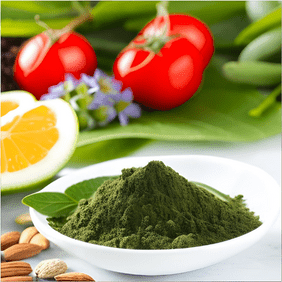
Powders and capsules provide another convenient method of consuming herbal remedies. Many herbs can be dried and ground into a fine powder, which can then be encapsulated or added to smoothies, juices, or other foods. Powders and capsules offer a convenient and portable option, especially for individuals who prefer a tasteless or odorless way of taking herbs. They can also be a useful option when precise dosing is required.
Safety precautions
Consulting a professional
While herbal medicine can be a safe and effective form of healing, it is important to seek guidance from a qualified professional, such as a trained herbalist or naturopathic doctor. These practitioners have in-depth knowledge of herbs, their interactions, and appropriate dosages for various health conditions. They can help create a personalized treatment plan and address any concerns or potential risks associated with herbal remedies.
Researching potential interactions
Herbal remedies, like any other form of medicine, can interact with prescription medications or other supplements. It is essential to research potential interactions before combining herbal medicine with conventional treatments. Some herbs may enhance or inhibit the effects of certain medications, which may lead to unforeseen consequences. It is always advisable to consult with a healthcare provider to ensure there are no contraindications or potential interactions.
Avoiding risky herbs during pregnancy
Pregnant individuals should exercise caution when using herbal remedies, as some herbs may pose a risk to the developing fetus. While many herbs are generally considered safe during pregnancy, it is crucial to seek guidance from a healthcare provider or a qualified herbalist who can provide specific recommendations. Some herbs, such as black cohosh and dong quai, are known to potentially induce contractions or affect hormone levels and should be avoided during pregnancy.
Combining herbal medicine with conventional treatment
Discussing with healthcare provider
If you are currently undergoing conventional medical treatments, it is important to discuss your interest in herbal medicine with your healthcare provider. They can provide valuable insights and help you navigate potential interactions or contraindications. Maintaining open communication with your healthcare team ensures that they have a comprehensive understanding of your treatment plan and can provide the best possible care.
Considering potential interactions
When combining herbal medicine with conventional treatment, it is crucial to consider potential interactions between herbs and medications. Some herbs may enhance the effects of certain drugs or interfere with their absorption, metabolism, or elimination from the body. It is always advisable to consult with your healthcare provider or a qualified herbalist who can assess the potential risks and benefits of combining herbal remedies with your specific medications.
Monitoring efficacy
When incorporating herbal medicine into your treatment plan, it is important to monitor its efficacy and make adjustments as needed. Keep track of any changes in symptoms, improvements in overall well-being, or any adverse reactions. Regularly follow up with your healthcare provider or herbalist to discuss your progress and make any necessary modifications to your treatment protocol. They can guide you in optimizing the dosage, frequency, or combination of herbs to achieve the desired therapeutic outcomes.
The importance of quality and sourcing
Choosing reputable brands
When purchasing herbal remedies, it is crucial to choose products from reputable brands that prioritize quality and safety. Look for brands that adhere to Good Manufacturing Practices (GMP) and have a history of quality control and third-party testing. These brands invest in sourcing high-quality plant materials, ensuring proper extraction methods, and conducting rigorous testing to verify the authenticity, purity, and potency of their products.
Identifying organic and sustainable sources
Opting for herbs that are sourced organically and sustainably is not only beneficial for your health but also for the environment. Organic herbs are grown without the use of synthetic pesticides, herbicides, or fertilizers, reducing your exposure to potentially harmful chemicals. Sustainable sourcing practices prioritize the preservation of plant species and ecosystems, ensuring a long-term supply of medicinal herbs. Look for certifications such as USDA Organic or FairWild to ensure the herbs you choose are environmentally responsible and of the highest quality.
Exploring cultural and historical uses of herbal medicine
Ancient civilizations
Herbal medicine has played a prominent role in the healing practices of ancient civilizations such as the Egyptians, Greeks, and Indigenous cultures. These civilizations recognized the power of plants and their ability to support health and well-being. Ancient texts and artifacts provide insights into the traditional uses of herbs and the cultural significance they held. Exploring the historical context can deepen our understanding of the profound wisdom and knowledge that has been passed down through generations.
Indigenous knowledge
Indigenous cultures around the world possess a wealth of knowledge about the healing properties of plants within their local ecosystems. Their deep connection to the land and their intimate relationship with nature have allowed them to develop sophisticated healing systems over thousands of years. By honoring and learning from Indigenous knowledge, we can not only expand our understanding of herbal medicine but also foster cultural appreciation, respect, and preservation.
Current research and ongoing studies
Investigating effectiveness
As interest in herbal medicine continues to grow, so does the body of scientific research examining its effectiveness. Studies are being conducted to evaluate the therapeutic potential of various herbs and their active compounds. Clinical trials, meta-analyses, and systematic reviews provide valuable evidence-based insights into the efficacy of herbal remedies for specific health conditions. Researchers are exploring herbal treatments for a wide range of ailments, from chronic pain management to mental health disorders, offering promising results for those seeking natural alternatives.
Identification of active compounds
Advancements in scientific techniques and technologies have enabled researchers to identify and isolate the active compounds within medicinal plants. By understanding the specific molecules responsible for the therapeutic effects, scientists can optimize extraction methods, develop standardized formulations, and enhance the overall quality of herbal remedies. This deeper understanding of the chemical constituents within plants allows for targeted and precise use in clinical practice.
Future possibilities
As research in herbal medicine continues to expand, the future holds exciting possibilities. With the growing interest in personalized medicine and integrative approaches to healthcare, the integration of herbal medicine into mainstream practice is gaining momentum. Ongoing studies are exploring novel applications and combinations of herbs, as well as the potential synergistic effects when combined with conventional treatments. The evolving field of herbal pharmacology offers promising avenues for individualized and effective healthcare solutions.
Joining the natural remedies movement
Educating yourself
To fully harness the power of herbal medicine, it is important to educate yourself about different herbs, their properties, and their appropriate uses. By learning about herbal medicine, you can make informed decisions about which herbs to incorporate into your healthcare routine. There are many resources available, including books, online courses, and workshops, that can provide valuable insights into the world of herbal medicine. By empowering yourself with knowledge, you can confidently navigate the vast array of herbal remedies and determine which ones align with your health goals.
Supporting local herbalists
Another way to participate in the natural remedies movement is by seeking the guidance of local herbalists. These practitioners have in-depth knowledge and experience in working with herbs and can provide personalized advice and treatment plans tailored to your specific needs. By supporting local herbalists, you not only benefit from their expertise but also contribute to the preservation of traditional knowledge and the growth of holistic healthcare practices in your community.
In conclusion, herbal medicine offers a holistic and natural approach to healing and promoting well-being. With centuries of traditional use and a growing body of scientific research, herbal remedies have gained recognition for their therapeutic benefits. From addressing digestive health to supporting immune function and sleep, various herbs have been used effectively for centuries. By following appropriate safety precautions, considering potential interactions, and sourcing high-quality products, you can incorporate herbal medicine into your healthcare routine. Whether you choose to explore the cultural and historical significance of herbs or stay updated on current research, the natural remedies movement invites you to unlock the power of herbal medicine and embark on a journey to holistic wellness.