Page Navigation
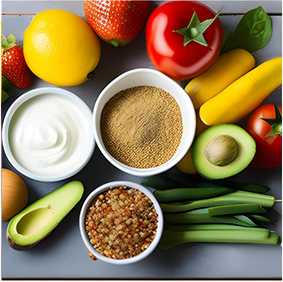
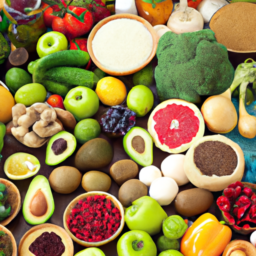
In this article, you will explore the captivating world of plant-based ingredients and witness the magic they hold when incorporated into your culinary creations. Discover how these natural treasures not only enhance the flavors of your dishes but also provide numerous health benefits. From vibrant fruits and vegetables to nutrient-rich grains and legumes, you will unlock the potential that lies on your plate and embrace the wonders of harnessing nature’s bounty. Embark on a journey of gastronomic delight as we delve into the incredible power of plant-based ingredients.
Benefits of Plant-Based Ingredients
Rich in Essential Nutrients
Plant-based ingredients, such as fruits, vegetables, whole grains, legumes, nuts, and seeds, are packed with essential nutrients that are vital for your overall health. These ingredients are abundant in vitamins, minerals, and antioxidants that help nourish your body and support various bodily functions. For example, fruits like berries are rich in vitamin C, which boosts your immune system, while leafy greens like kale are excellent sources of vitamin K, which promotes healthy blood clotting and bone health. By incorporating a variety of plant-based ingredients into your diet, you can ensure that you’re getting a wide range of nutrients to support your well-being.
High in Fiber
Fiber is an essential component of a healthy diet, and plant-based ingredients are an excellent source of this nutrient. Fiber plays a crucial role in maintaining a healthy digestive system, promoting regular bowel movements, and preventing constipation. A diet rich in fiber has also been linked to a reduced risk of developing heart disease, stroke, and certain types of cancer. Fruits, vegetables, whole grains, legumes, nuts, and seeds are all packed with fiber, making them an important part of a plant-based diet.
Packed with Antioxidants
Plant-based ingredients are powerhouses of antioxidants. Antioxidants are compounds that help protect your body against damage caused by harmful molecules called free radicals. Free radicals can contribute to chronic diseases, such as heart disease, cancer, and aging. By incorporating a variety of colorful fruits and vegetables into your diet, you can benefit from the wide array of antioxidants they contain. For example, blueberries are known for their high antioxidant content, particularly anthocyanins, which have been found to have numerous health benefits, including reducing inflammation and improving brain function.
Low in Saturated Fat
Unlike animal-based ingredients, plant-based ingredients are typically low in saturated fat. Saturated fat is a type of fat that is found in animal products and has been linked to an increased risk of heart disease and other chronic conditions. By replacing animal-based ingredients with plant-based alternatives, you can significantly reduce your saturated fat intake and promote heart-healthy eating habits. Plant-based ingredients, such as legumes, tofu, and whole grains, provide healthy sources of protein and other essential nutrients without the added saturated fat.
Versatile and Delicious
One of the fantastic aspects of plant-based ingredients is their versatility in the kitchen. Whether you’re a novice cook or a seasoned chef, you can easily incorporate plant-based ingredients into a variety of dishes and cuisines. From vibrant salads filled with fresh fruits and vegetables to hearty grain bowls loaded with legumes and avocados, the possibilities are endless. Additionally, many plant-based ingredients offer a delicious and satisfying taste that can rival any meat or dairy-based dish. Exploring different flavors and textures through plant-based ingredients can open up a whole new world of culinary experiences.
Exploring Different Types of Plant-Based Ingredients
Fruits and Vegetables
Fruits and vegetables are the foundation of a plant-based diet. These colorful and nutritious ingredients offer a wide range of flavors, textures, and health benefits. From sweet berries and tangy citrus fruits to leafy greens and crunchy cruciferous vegetables, there are countless options to choose from. Fruits and vegetables are not only rich in essential vitamins, minerals, and antioxidants but also provide fiber, which aids in digestion and helps you feel fuller for longer. Whether eaten raw, steamed, sautéed, or blended into smoothies, fruits and vegetables are an essential part of any plant-based meal.
Whole Grains
Whole grains are another essential component of a plant-based diet. Unlike refined grains, which have undergone processing that removes essential nutrients, whole grains retain their bran, germ, and endosperm, making them a good source of dietary fiber, protein, and other essential nutrients. Incorporating whole grains into your meals can provide sustained energy, promote healthy digestion, and help regulate blood sugar levels. Popular whole grains include quinoa, brown rice, oats, bulgur wheat, and whole wheat pasta. These versatile ingredients can be used as a base for grain bowls, salads, stir-fries, or as a side dish.
Legumes
Legumes, such as beans, lentils, chickpeas, and peas, are a staple in plant-based diets. These plant-based protein powerhouses are not only rich in protein but also provide fiber, vitamins, and minerals. Legumes offer a wide variety of flavors and textures, making them a versatile ingredient in both savory and sweet dishes. From comforting soups and stews to flavorful curries and salads, legumes can add depth and substance to your meals. Whether you choose to use canned legumes or prepare them from scratch, incorporating legumes into your diet is a great way to boost your plant-based protein intake.
Nuts and Seeds
Nuts and seeds are not only delicious but also pack a nutritional punch. These tiny yet mighty ingredients are a great source of healthy fats, protein, fiber, and essential vitamins and minerals. From almonds and walnuts to chia seeds and flaxseeds, there is a wide variety of nuts and seeds to choose from. Nuts and seeds can be enjoyed on their own as a snack or incorporated into meals and recipes. They can be used to add crunch and flavor to salads, smoothies, baked goods, or even as a topping for yogurt or oatmeal. Including a variety of nuts and seeds in your diet can provide numerous health benefits and add depth and texture to your dishes.
Incorporating Plant-Based Ingredients into Your Meals
Adding Colorful Fruits and Vegetables
One of the easiest and most effective ways to incorporate plant-based ingredients into your meals is by adding colorful fruits and vegetables. Whether you’re preparing a salad, stir-fry, sandwich, or pasta dish, adding a variety of fruits and vegetables can elevate the flavor, nutritional value, and visual appeal of your meal. Aim to include a range of colors, such as leafy greens, vibrant reds, oranges, purples, and yellows, to ensure you’re getting a diverse array of vitamins, minerals, and antioxidants. Additionally, experiment with different cooking methods, such as roasting, grilling, or sautéing, to enhance the flavors and textures of your fruits and vegetables.
Replacing Animal Protein with Legumes
One of the key components of a plant-based diet is replacing animal protein with plant-based alternatives. Legumes, such as beans, lentils, and chickpeas, are excellent sources of plant-based protein. They are also rich in fiber, vitamins, and minerals. By incorporating legumes into your meals, you can ensure you’re getting adequate protein, while also benefiting from the other nutrients they provide. Legumes can be used to replace meat in dishes such as chili, tacos, burgers, and soups. They can also be blended into dips like hummus or mashed into spreads for sandwiches and wraps. Experimenting with different legumes and recipes can help you discover new and exciting ways to enjoy plant-based protein.
Using Whole Grains as a Base
Another way to incorporate plant-based ingredients into your meals is by using whole grains as a base. Whole grains, such as quinoa, brown rice, bulgur wheat, and whole wheat pasta, provide a hearty and nutritious foundation for a variety of dishes. They can be used as a base for grain bowls, salads, stir-fries, or as a side dish. Whole grains offer fiber, protein, and other essential nutrients, helping to keep you satisfied and energized. Experiment with different cooking methods and flavor combinations to create delicious and balanced meals using whole grains as your starting point.
Experimenting with Nuts and Seeds
Nuts and seeds are not only great for snacking but also add flavor, texture, and nutrition to your meals. Experimenting with different nuts and seeds can elevate your dishes and provide added health benefits. For example, adding crushed almonds or sunflower seeds to your salads can add crunch and a dose of healthy fats. Sprinkling chia seeds or flaxseeds on your yogurt or oatmeal can provide a boost of omega-3 fatty acids and fiber. Additionally, blending nuts into a smoothie or using them as a base for homemade granola bars can add richness and a satisfying texture. Get creative with your use of nuts and seeds to enhance the taste and nutritional value of your meals.
Plant-Based Ingredients for a Healthy Breakfast
Smoothie Bowls with Fresh Fruits and Vegetables
Starting your day with a smoothie bowl is a delicious and nutritious way to incorporate plant-based ingredients into your breakfast routine. Blend together a combination of fresh fruits and vegetables, such as bananas, berries, spinach, and kale, with a liquid of your choice, such as almond milk or coconut water. Pour the smoothie into a bowl and top it with a variety of toppings, such as sliced fruits, nuts, seeds, granola, or coconut flakes. Smoothie bowls are not only visually appealing but also provide a variety of nutrients to kickstart your day.
Whole Grain Pancakes with Nut Butter
Ditch the traditional pancake mix and opt for whole grain pancakes made with plant-based ingredients instead. Combine whole wheat flour or oat flour with a plant-based milk, such as almond milk or soy milk, and a mashed banana or applesauce for natural sweetness. Cook the pancakes on a non-stick pan until golden brown and serve them with a generous dollop of nut butter, such as almond butter or peanut butter. Nut butter provides healthy fats and protein, while whole grains offer fiber and essential nutrients, making this a balanced and satisfying breakfast option.
Oatmeal Topped with Nuts and Berries
Oatmeal is a classic breakfast choice that can easily be transformed into a nutritious and plant-based meal. Cook rolled oats with your choice of plant-based milk, such as oat milk or coconut milk, and add a pinch of cinnamon or nutmeg for extra flavor. Once the oatmeal is cooked, top it with a variety of toppings, such as sliced almonds, walnuts, chia seeds, fresh berries, or a drizzle of maple syrup. Oatmeal provides fiber, while nuts and berries offer healthy fats, antioxidants, and vitamins. This simple yet satisfying breakfast will keep you fueled until lunchtime.
Plant-Based Ingredients for a Satisfying Lunch
Colorful Salad with Mixed Greens and Roasted Vegetables
A vibrant and filling salad is a fantastic way to incorporate plant-based ingredients into your lunch. Start with a base of mixed greens, such as spinach, kale, or arugula, and add a variety of colorful vegetables, such as cherry tomatoes, bell peppers, cucumbers, and shredded carrots. Roast some vegetables, such as sweet potatoes or beets, for added flavor and texture. To boost the protein content of your salad, add a plant-based protein source, such as chickpeas, tofu, or tempeh. Drizzle your salad with a homemade dressing made with olive oil, lemon juice, and fresh herbs for a burst of flavor.
Quinoa or Brown Rice Bowls with Beans and Avocado
Quinoa or brown rice bowls are a versatile and satisfying plant-based lunch option. Cook quinoa or brown rice according to package instructions and season it with herbs and spices for added flavor. Top the grains with a combination of cooked beans, such as black beans or kidney beans, roasted vegetables, sliced avocado, and a handful of fresh herbs, such as cilantro or parsley. Finish it off with a squeeze of lime juice and a sprinkle of salt and pepper. These bowls offer plant-based protein, fiber, and healthy fats, providing a well-rounded and nutritious lunch.
Zucchini Noodles with Homemade Pesto
Swap traditional pasta for zucchini noodles to create a light and refreshing plant-based lunch. Using a spiralizer or a vegetable peeler, create long and thin strips of zucchini that resemble noodles. Sauté the zucchini noodles in a pan with a small amount of olive oil until they are cooked but still retain some crunch. In a separate bowl, blend together fresh basil, pine nuts, garlic, nutritional yeast, and olive oil to create a homemade pesto sauce. Toss the zucchini noodles with the pesto sauce and garnish with cherry tomatoes or sun-dried tomatoes. This dish is not only low in calories but also provides a dose of vitamins, minerals, and healthy fats.
Plant-Based Ingredients for a Nourishing Dinner
Stir-Fried Tofu and Vegetables with Brown Rice
Stir-fried tofu and vegetables with brown rice is a flavorful and nutritious plant-based dinner option. Start by cooking brown rice according to package instructions. In a separate pan, sauté tofu cubes with a combination of colorful vegetables, such as bell peppers, broccoli, mushrooms, and snap peas. Season the tofu and vegetables with soy sauce, garlic, ginger, and a pinch of red pepper flakes for added heat. Serve the stir-fried tofu and vegetables over a bed of brown rice for a complete and satisfying meal.
Spaghetti Squash with Tomato Sauce and Lentils
Spaghetti squash is a versatile and low-calorie alternative to traditional pasta. Cut a spaghetti squash in half lengthwise and remove the seeds. Roast the spaghetti squash in the oven until the flesh is tender and easily shreds into spaghetti-like strands. In a separate pan, sauté lentils with a flavorful tomato sauce, onions, and garlic. Once the lentils are cooked, mix them with the strands of spaghetti squash until well combined. This dish provides a healthy dose of fiber, protein, and essential nutrients, making it a perfect plant-based option for dinner.
Cauliflower Curry with Coconut Milk
Cauliflower curry with coconut milk is a fragrant and satisfying plant-based dinner choice. In a large pot, sauté onions, garlic, and ginger until fragrant. Add cauliflower florets, along with a selection of your favorite vegetables, such as bell peppers, peas, or carrots. Pour in coconut milk and vegetable broth, and simmer until the vegetables are cooked and the flavors are well combined. Season the curry with a blend of aromatic spices, such as curry powder, turmeric, cumin, and coriander. Serve the cauliflower curry over a bed of fluffy brown rice or quinoa for a delicious and nutritious dinner.
Plant-Based Ingredients for Snacks and Appetizers
Chickpea Hummus with Veggie Sticks
Chickpea hummus with veggie sticks is a simple and healthy plant-based snack or appetizer. In a food processor, blend together cooked chickpeas, garlic, tahini, lemon juice, and olive oil until smooth and creamy. Season the hummus with salt, pepper, and any additional herbs or spices of your choice. Serve the hummus with an assortment of colorful veggie sticks, such as carrots, cucumber, bell peppers, and celery. This snack provides a combination of protein, fiber, and vitamins, making it a satisfying and nutrient-packed option.
Fresh Fruit Skewers with Yogurt Dip
Fresh fruit skewers with a yogurt dip are a refreshing and nutritious plant-based snack or appetizer. Thread an assortment of fresh fruits, such as berries, pineapple chunks, melon balls, grapes, and kiwi slices, onto wooden skewers. In a separate bowl, mix together plant-based yogurt with a drizzle of honey or maple syrup for added sweetness. Serve the fruit skewers with the yogurt dip for a colorful and flavorful snack that offers a variety of vitamins, minerals, and antioxidants.
Baked Kale Chips with Tahini Drizzle
Baked kale chips with a tahini drizzle are a crispy and savory plant-based snack. Preheat your oven and tear kale leaves into bite-sized pieces, removing the thick stems. Drizzle the kale leaves with a small amount of olive oil and sprinkle them with sea salt or other seasonings, such as paprika or nutritional yeast. Bake the kale leaves in the oven until they are crispy but not burned. In a separate bowl, whisk together tahini, lemon juice, garlic, and a splash of water until well combined. Drizzle the tahini sauce over the baked kale chips for added flavor and creaminess. These kale chips offer a satisfying crunch and a dose of healthy fats, making them a nutritious alternative to traditional potato chips.
Creating Plant-Based Desserts
Vegan Chocolate Avocado Mousse
Vegan chocolate avocado mousse is a rich and indulgent plant-based dessert that will satisfy your sweet tooth. In a blender or food processor, combine ripe avocados, unsweetened cocoa powder, plant-based milk, such as almond milk or oat milk, and a natural sweetener, such as maple syrup or agave nectar. Blend the ingredients until smooth and creamy, adjusting the consistency and sweetness to your liking. Serve the chocolate avocado mousse in individual dessert glasses or bowls, and garnish with fresh berries or shaved dark chocolate. This dessert provides a dose of healthy fats, antioxidants, and vitamins, making it a deliciously guilt-free treat.
Banana Nice Cream with Various Toppings
Banana nice cream is a simple and healthy plant-based dessert that mimics the texture and taste of traditional ice cream. Start by freezing ripe bananas until they are solid. Once frozen, blend the bananas in a food processor until they have a smooth and creamy consistency. You can also add other frozen fruits, such as berries or mango, to create different flavors. Serve the banana nice cream in bowls or cones and top it with various toppings, such as crushed nuts, granola, coconut flakes, or dark chocolate chips. This dessert provides natural sweetness, fiber, and a range of vitamins and minerals, making it a guilt-free alternative to conventional ice cream.
Almond Flour Cookies with Dried Fruits
Almond flour cookies with dried fruits are a delicious and nutritious plant-based dessert option. In a mixing bowl, combine almond flour, a natural sweetener, such as coconut sugar or maple syrup, a pinch of salt, and your choice of dried fruits, such as raisins, dried cranberries, or chopped dates. Mix the ingredients until well combined, and shape the dough into cookies using your hands or a cookie scoop. Bake the cookies in the oven until they are golden brown and firm to the touch. These almond flour cookies offer a satisfying texture, natural sweetness, and a dose of healthy fats, making them a guilt-free way to satisfy your sweet cravings.
The Environmental Impact of Plant-Based Eating
Reducing Carbon Footprint
Plant-based eating has a significantly lower carbon footprint compared to a diet that includes animal products. Producing and consuming meat and dairy products contribute to greenhouse gas emissions, deforestation, and water pollution. By focusing on plant-based ingredients, you can help reduce the carbon emissions associated with food production, particularly the methane produced by livestock. Additionally, plant-based diets require fewer resources, such as land, water, and energy, making them more sustainable and environmentally friendly.
Conserving Water Resources
Plant-based eating also plays a crucial role in conserving water resources. Animal agriculture consumes significant amounts of water, not only for the animals themselves but also for growing the crops used for animal feed. On the other hand, plant-based ingredients require considerably less water to produce. By choosing plant-based foods, you can help conserve water resources and contribute to a more sustainable water usage system.
Preserving Biodiversity
Protecting biodiversity is essential for maintaining ecosystems and ensuring the long-term health of our planet. Animal agriculture is a significant driver of deforestation and habitat destruction, leading to a loss of biodiversity. By adopting a plant-based diet, you can help reduce the demand for animal products and contribute to the conservation of habitats and the preservation of biodiversity. Plant-based eating promotes a more balanced and sustainable approach to food production that takes into account the needs of various species and ecosystems.
Plant-Based Eating for a Healthier You
Maintaining a Healthy Weight
Plant-based eating can support a healthy weight management. A diet rich in plant-based ingredients tends to be higher in fiber and lower in saturated fat compared to diets that include animal products. This combination of factors can help you feel fuller for longer, reduce overeating, and support weight loss or weight maintenance goals. Plant-based ingredients also tend to be lower in calories, making them a great choice for those seeking to manage their weight in a healthy and sustainable way.
Lowering the Risk of Chronic Diseases
Plant-based eating has been associated with a reduced risk of developing chronic diseases, such as heart disease, type 2 diabetes, and certain types of cancer. The abundance of antioxidants, fiber, and other nutrients found in plant-based ingredients can help combat inflammation, reduce oxidative stress, and support overall health. By incorporating a variety of plant-based ingredients into your meals, you can provide your body with the necessary tools to ward off chronic diseases and improve your long-term health.
Boosting Digestive Health
The fiber content in plant-based ingredients is known to support digestive health. A diet rich in fiber helps promote regular bowel movements, prevent constipation, and support the growth of beneficial gut bacteria. Additionally, plant-based ingredients are generally easier to digest compared to heavier animal-based foods, reducing the burden on your digestive system. By incorporating plant-based ingredients into your meals, you can support a healthy gut and improve your digestion.
In conclusion, plant-based eating offers a wide range of benefits for your health, the environment, and your taste buds. Whether you’re looking to incorporate more nutrients into your diet, reduce your carbon footprint, or simply try new and exciting flavors, plant-based ingredients have something to offer everyone. From the rich and varied nutrients found in fruits and vegetables to the fiber and protein-packed legumes and nuts, there are countless ways to explore the magic of plant-based ingredients. By incorporating these ingredients into your meals and snacks, you can enjoy a healthier, more sustainable, and delicious lifestyle. So why not embrace the bounty of nature and embark on a plant-based journey today?