Page Navigation
Immerse yourself in a sensory journey as you discover the exquisite art of handcrafted herbal tea blends with Sip of Nature. Elevating your tea experience to new heights, this unique brand combines the healing properties of herbs and the rich flavors of nature to create a harmonious blend that nourishes both body and soul. With a meticulous approach to sourcing and blending the finest ingredients, Sip of Nature offers a tantalizing range of flavors that cater to every palate. Indulge in the tranquility of a cup of tea that not only satisfies your taste buds but also rejuvenates your mind and spirit.
The Art of Herbal Blending
Understanding Herbal Blends
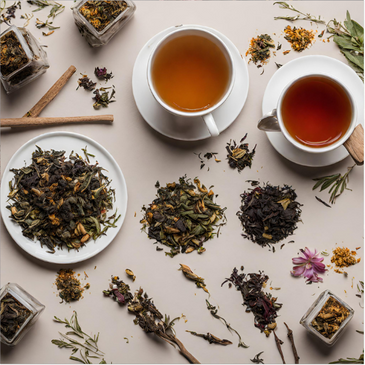
When it comes to tea, the world of flavors and aromas is vast and diverse. Herbal blends offer a unique opportunity to explore different combinations of herbs, creating a personalized tea experience. Herbal blends are carefully crafted mixtures of various herbs, each contributing its own distinct flavor and therapeutic properties. Understanding the art of herbal blending allows you to create teas that not only tantalize your taste buds but also provide a range of health benefits.
Benefits of Herbal Blends
Herbal blends offer a multitude of benefits that can enhance your overall well-being. Each herb used in a blend brings its own set of therapeutic properties, creating a synergy that promotes balance and harmony within the body. From relaxation and stress relief to boosting the immune system and aiding digestion, herbal blends provide a natural and holistic way to support your health. In addition to their numerous health benefits, herbal blends are also a delightful way to indulge in the flavors and aromas of nature, providing a sensory experience that is both rejuvenating and satisfying.
Choosing the Right Herbs
Selecting the right herbs is crucial to creating a well-balanced and flavorful herbal blend. Start by considering your desired outcome or the specific benefits you are seeking from the tea. For example, if you are looking for relaxation and stress relief, chamomile and lavender could be excellent choices. If you are seeking a blend to aid digestion, peppermint and ginger may be ideal. Additionally, take into account the flavor profiles of each herb and how they will complement or contrast with one another. Experimentation is key when choosing herbs, as it allows you to discover unique and delicious combinations that suit your taste preferences.
Exploring Flavor Combinations
The art of herbal blending involves exploring different flavor combinations to create a harmonious and enjoyable tea experience. Consider the balance between sweet, bitter, and savory flavors, as well as the intensity of each herb’s aroma. Experiment with combining herbs that have complementary flavors, such as pairing citrusy herbs like lemongrass with floral herbs like rose petals. Alternatively, you can create a blend with contrasting flavors, such as blending the earthy notes of chamomile with the bright and zesty taste of lemon verbena. The possibilities are endless, and the key is to trust your palate and let your creativity guide you.
Crafting Your Own Herbal Blend
Selecting the Base Herb
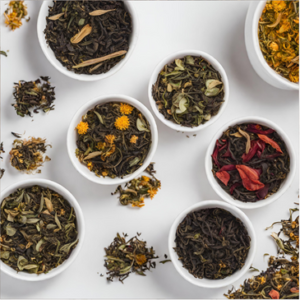
The base herb forms the foundation of your herbal blend and provides the primary flavor profile. It sets the tone for the entire blend and should be chosen carefully. Consider herbs such as chamomile, rooibos, or mint as potential base herbs. These herbs offer a pleasant and versatile base that can be easily complemented by other herbs. Pay attention to the characteristics of the base herb, such as its aroma, taste, and therapeutic properties, to ensure it aligns with your desired outcome for the blend.
Adding Additional Herbs
Once you have selected your base herb, you can begin to add additional herbs to enhance the flavor and therapeutic properties of your blend. Each herb you choose should complement the base herb and contribute to the overall taste and benefits of the tea. For example, if you have chosen chamomile as your base herb, you might consider adding lavender for its calming properties or lemon balm for a citrusy twist. Experiment with different combinations until you find the perfect blend that satisfies both your taste buds and your desired health benefits.
Balancing Flavors and Aromas
Creating a well-balanced herbal blend involves carefully balancing the flavors and aromas of each herb. Pay attention to the intensity of each herb’s taste and aroma and adjust the proportions accordingly. You may want to start with smaller amounts of strong-flavored herbs and gradually add more if needed. Take note of any dominant flavors and aromas, and consider how they interact with the other herbs in the blend. The goal is to create a harmonious and enjoyable fusion of flavors and aromas that complement and enhance one another.
Experimenting with Proportions
One of the joys of crafting your own herbal blend is the freedom to experiment with proportions. As you become more comfortable with blending herbs, you can adjust the proportions to achieve your desired taste and strength. Some herbs may require larger quantities to create a more pronounced flavor, while others may be more potent and only require a small amount. Keep a record of your experiments and note the proportions that yield the best results. This way, you can recreate your favorite blends in the future and share your herbal creations with others.
Enhancing the Tea Brewing Process
Choosing High-Quality Tea Leaves
To truly elevate your tea experience, it is essential to choose high-quality tea leaves. Whether you are using loose leaf tea or tea bags, opt for organic and sustainably sourced options whenever possible. High-quality tea leaves ensure that you are getting the utmost flavor and aroma from your blend, as well as the maximum health benefits. Look for teas that have been harvested and processed with care, preserving the integrity of the leaves and allowing you to savor the nuances of each sip.
Proper Tea Brewing Techniques
Brewing tea is an art in itself, and proper techniques can make a significant difference in the taste and quality of your tea. Start by heating fresh, filtered water to the appropriate temperature for the type of tea you are brewing. Green teas, for example, are best brewed at lower temperatures, while black teas can withstand higher temperatures. Let the tea steep for the recommended amount of time to extract all the flavors and aromas. Avoid oversteeping, as it can lead to bitterness. Using the correct brewing techniques ensures that you are getting the full potential of your herbal blend.
Infusion Time and Temperature
The infusion time and temperature are crucial factors in achieving the perfect cup of tea. Steeping time will vary depending on the herbs used in your blend and your personal preference for intensity. Some herbs require longer steeping times to release their flavors fully, while others may become bitter if left to steep for too long. Experiment with different infusion times to find the balance that best suits your taste. Similarly, adjust the water temperature to extract the optimal flavors from your tea blend. Higher temperatures can bring out stronger flavors, while lower temperatures may result in a more delicate and subtle taste.
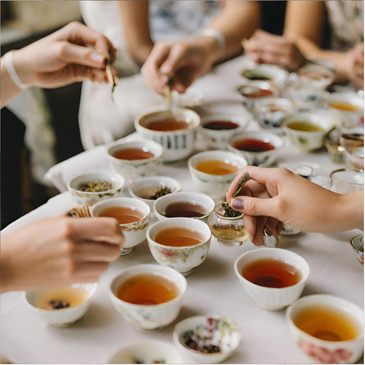
Art of Tea Tasting
Just like wine tasting, tea tasting is an art that allows you to fully appreciate the complexities and nuances of different blends. When tasting your herbal blend, observe the color, aroma, and taste of the tea. Pay attention to how the flavors evolve on your palate, from the first sip to the lingering aftertaste. Note any subtleties or unique characteristics that make the blend special. Tea tasting is an opportunity to engage all your senses and develop a deeper appreciation for the art of tea blending. Take your time, savor each sip, and let the flavors transport you to a world of tranquility and pleasure.
Pairing Tea and Food
Understanding Flavor Profiles
To create a harmonious pairing between tea and food, it is essential to understand flavor profiles. Each tea and food item has its own unique combination of flavors, ranging from sweet and savory to bitter and tangy. When pairing tea and food, look for complementary or contrasting flavors that can enhance each other. For example, a rich and robust black tea can complement a dark chocolate dessert, while a light and floral white tea can contrast beautifully with a citrusy salad. By understanding the flavor profiles of both tea and food, you can create a well-balanced and delightful culinary experience.
Complementing and Contrasting Flavors
When pairing tea and food, you can choose to either complement or contrast the flavors. Complementary pairings involve matching similar flavors to create a cohesive and harmonious experience. For example, a fruity herbal blend can be paired with a berry tart or a light and floral green tea can be paired with a delicate cucumber sandwich. Contrasting pairings, on the other hand, involve combining flavors that are different but complementary, creating a dynamic and exciting taste sensation. For instance, a smoky black tea can be paired with a spicy curry or a citrusy herbal blend can be paired with a buttery scone. Experiment with different combinations to find your preferred style of tea and food pairing.
Tea Pairing Suggestions
When it comes to tea and food pairings, the possibilities are endless. Here are a few suggestions to inspire your culinary adventures:
- Earl Grey tea with lavender shortbread cookies: The floral notes of the tea complement the delicate flavors of the cookies, creating a sophisticated and elegant combination.
- Chamomile tea with honey-glazed salmon: The earthy and floral flavors of chamomile balance out the richness of the salmon, resulting in a refreshing and savory pairing.
- Peppermint tea with dark chocolate: The cool and refreshing minty taste of the tea provides a delightful contrast to the richness and sweetness of the chocolate, creating a harmonious and indulgent treat.
- Rooibos tea with spiced pumpkin bread: The warm and aromatic flavors of the rooibos tea enhance the spices in the pumpkin bread, making it a cozy and comforting pairing.
Feel free to experiment with different tea and food combinations, and let your taste buds guide you to unexpected and delightful discoveries.
Creating a Full Tea Experience
Pairing tea with food is just one aspect of creating a full tea experience. To elevate your tea rituals, consider incorporating other elements such as music, ambiance, and relaxation techniques. Set the mood with soft music that complements the flavors and aromas of your tea blend. Create a serene and cozy ambiance with warm lighting and comfortable seating. Practice mindfulness and relaxation techniques while sipping your tea, allowing yourself to fully immerse in the present moment and savor the experience. By creating a full tea experience, you can enhance not only the taste but also the overall enjoyment and benefits of your herbal blends.
Exploring Special Tea Blends
Medicinal Herbal Blends
Medicinal herbal blends are specifically crafted to target and support various health concerns. Each herb in these blends is chosen for its specific therapeutic properties, working synergistically to promote well-being. For example, a blend of chamomile, lemon balm, and valerian root can be used to promote relaxation and aid in sleep. On the other hand, a blend of ginger, fennel, and peppermint can support digestion and alleviate gastrointestinal discomfort. By exploring medicinal herbal blends, you can create teas that not only taste delicious but also provide targeted support for your specific health needs.
Relaxation and Sleep-Inducing Blends
In our fast-paced and often stressful lives, finding moments of relaxation and quality sleep is essential for overall well-being. Relaxation and sleep-inducing blends can help calm the mind, relax the body, and promote restful sleep. Herbs such as chamomile, lavender, and passionflower are renowned for their soothing and sedative properties. By combining these herbs into a blend, you can create a tea that helps you unwind after a long day and prepares you for a peaceful night’s sleep. Incorporating relaxation and sleep-inducing blends into your nightly routine can contribute to a more balanced and rejuvenating lifestyle.
Digestive Aid Blends
Many herbs possess properties that support healthy digestion and alleviate common digestive issues. Digestive aid blends typically include herbs like peppermint, ginger, and fennel, which are known for their carminative and anti-inflammatory properties. Peppermint can soothe an upset stomach, ginger can aid in digestion and relieve nausea, and fennel can alleviate bloating and gas. By combining these herbs into a blend, you can create a tea that not only tastes refreshing but also supports your digestive health. Sipping on a digestive aid blend after a meal can help promote optimal digestion and prevent discomfort.
Seasonal and Festive Blends
Seasonal and festive tea blends celebrate the flavors and aromas of various seasons and holidays. These blends often incorporate herbs and spices that are associated with a particular time of year, such as cinnamon, cloves, and nutmeg for the holiday season. Seasonal blends can evoke nostalgia and create a sense of coziness, making them perfect for curling up by the fireplace on a chilly winter night or enjoying the refreshing flavors of summer on a sunny afternoon. By exploring seasonal and festive blends, you can immerse yourself in the spirit of the season and make your tea experience even more enjoyable.
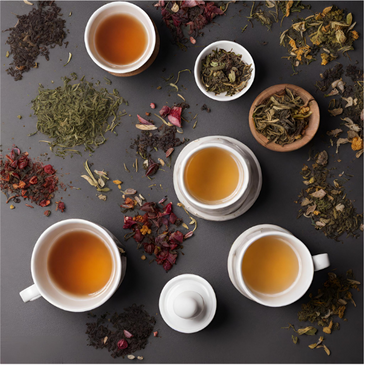
Tea Rituals and Ceremonies
Traditional Tea Ceremonies
Tea ceremonies have been an integral part of different cultures for centuries. These ceremonies provide a sacred and mindful space for tea preparation, serving, and consumption. Each step of the ceremony is performed with intention and reverence, allowing participants to connect with themselves, others, and nature. Traditional tea ceremonies such as the Japanese tea ceremony or the Chinese gongfu tea ceremony emphasize the importance of ritual, discipline, and respect. By engaging in a traditional tea ceremony, you can experience a profound sense of serenity and appreciation for the beauty of tea.
Creating Personal Tea Rituals
While traditional tea ceremonies are deeply rooted in history and culture, you can also create personal tea rituals that suit your individual preferences and lifestyle. Personal tea rituals provide an opportunity to slow down, disconnect from the outside world, and reconnect with yourself. Start by setting aside a specific time and space for your tea rituals, free from distractions and interruptions. Choose your favorite tea blend, and take the time to prepare it mindfully. Focus on each step of the tea brewing process, from heating the water to pouring the tea into your cup. Engage all your senses as you savor each sip, allowing the tea to nourish your body, mind, and soul. By creating personal tea rituals, you can infuse tranquility and mindfulness into your daily routine.
Art of Mindfulness with Tea
Mindfulness and tea go hand in hand, as both practices involve cultivating a state of presence and awareness. Mindfulness is the art of paying attention to the present moment without judgment. When practicing mindfulness with tea, allow yourself to fully immerse in the sensory experience of preparing and sipping your tea. Engage all your senses, observing the colors, aromas, and flavors with curiosity and non-judgment. Let go of any distractions or thoughts and focus solely on the sensations of the present moment. By practicing mindfulness with tea, you can cultivate a sense of peace, clarity, and gratitude.
Connecting with Nature through Tea
Tea gives us an opportunity to connect with nature and the natural world. From the moment the tea leaves are harvested to the final infusion in your cup, tea embodies the essence of the earth. When you sip your tea, take a moment to reflect on the journey it has taken. Imagine the tea plants basking in the sunlight, the gentle rains nurturing the leaves, and the skilled hands that have carefully harvested and processed them. By connecting with nature through tea, you can develop a deeper appreciation for the interconnectedness of all living beings and the beauty of the natural world.
Tea for Well-Being
Health Benefits of Herbal Tea
Herbal tea is not only a delicious and refreshing beverage but also a powerful ally in supporting your overall well-being. Each herb used in a tea blend brings its own unique set of health benefits. For example, chamomile can promote relaxation and sleep, while ginger can aid digestion and relieve nausea. Peppermint has a soothing effect on the stomach, and lavender can help alleviate stress and anxiety. By incorporating herbal tea into your daily routine, you can reap the numerous health benefits that nature has to offer.
Promoting Relaxation and Stress Relief
In our fast-paced and often chaotic lives, finding moments of relaxation and stress relief is essential to maintaining balance and harmony. Herbal teas such as chamomile, lavender, and lemon balm are well-known for their calming and soothing properties. These teas can help alleviate stress and anxiety, promoting a sense of tranquility and well-being. By incorporating relaxation-promoting herbal teas into your daily routine, you can create small moments of calm amidst the hustle and bustle of life.
Improving Sleep Quality
A good night’s sleep is essential for overall health and well-being. Unfortunately, many people struggle with sleep disturbances and insomnia. Herbal teas can be incredibly beneficial in promoting better sleep quality. Chamomile, passionflower, and valerian root are herbs commonly used in sleep-inducing blends due to their sedative properties. Sipping on a cup of herbal tea before bed can help calm the mind, relax the body, and prepare you for a restful night’s sleep. By incorporating sleep-inducing herbal teas into your nighttime routine, you can establish healthy sleep habits and wake up feeling refreshed and rejuvenated.
Boosting the Immune System
A strong immune system is essential for protecting the body against illness and disease. Herbal teas can provide a natural boost to your immune system, helping to keep you healthy and resilient. Herbs such as echinacea, elderberry, and ginger are known for their immune-boosting properties. These herbs can help strengthen the immune response, ward off pathogens, and reduce the severity and duration of illnesses. By incorporating immune-boosting herbal teas into your daily routine, you can support your body’s natural defense mechanisms and maintain optimal health.
Exploring Tea Culture
Historical Background of Tea
Tea has a rich and fascinating history that spans thousands of years. Legend has it that tea was discovered accidentally in ancient China when tea leaves fell into a pot of boiling water. This serendipitous event led to the discovery of the energizing and invigorating properties of tea. Over time, tea cultivation and consumption spread to other parts of Asia and eventually to the rest of the world. Tea played a significant role in cultural, social, and economic development, shaping the traditions and customs of different countries. Understanding the historical background of tea allows us to appreciate and respect the cultural significance it holds.
Tea Culture in Different Countries
Tea culture varies from country to country, each having its own unique traditions, rituals, and customs surrounding tea. In Japan, tea ceremonies are deeply ingrained in the culture, emphasizing harmony, respect, and tranquility. In England, afternoon tea is a cherished tradition, involving the serving of tea with delicate pastries and sandwiches. In Morocco, tea is steeped with mint and served in ornate teapots, symbolizing hospitality and friendship. Exploring tea culture in different countries allows us to broaden our perspectives and gain a deeper understanding of the diverse ways in which tea is enjoyed and celebrated around the world.
Tea Traditions and Etiquette
Tea traditions and etiquette play a vital role in tea culture, honoring the history, rituals, and customs associated with tea. Each country and culture has its own set of tea traditions and etiquette, which can vary in complexity and formality. From the precise movements and gestures of a Japanese tea ceremony to the rules and protocols of an English afternoon tea, tea traditions and etiquette add an element of grace and elegance to the tea-drinking experience. By familiarizing ourselves with tea traditions and etiquette, we can engage in tea rituals with reverence and respect, ensuring that we honor the heritage and significance of tea.
Growing Popularity of Artisan Tea
In recent years, there has been a growing popularity and appreciation for artisan tea. Artisan tea refers to tea that is crafted with meticulous care and attention to detail, often using traditional and sustainable methods. Artisan tea is prized for its exceptional quality, unique flavors, and the stories it carries. By supporting artisan tea producers, we contribute to the preservation of traditional tea cultivation and craftsmanship, promoting sustainable practices and maintaining a connection to the past. Embracing artisan tea allows us to not only enjoy a superior tea-drinking experience but also support the artisans who dedicate their lives to the art of cultivating and producing exquisite teas.
Tea Storage and Preservation
Storing Tea Properly
Proper storage is crucial to maintaining the freshness, flavor, and aroma of your tea. The primary enemies of tea are moisture, light, heat, and strong odors. To prevent your tea from absorbing unwanted odors or deteriorating, store it in an airtight container made of glass, ceramic, or tin. Avoid using plastic containers, as they can absorb odors and impact the taste of the tea. Keep your tea away from direct sunlight and store it in a cool, dry place. If possible, consider dividing your tea into smaller portions to minimize exposure to air and maintain its quality for a longer period of time.
Preserving Freshness and Aroma
To ensure that your tea retains its freshness and aroma, it is essential to follow proper storage practices. Oxygen can cause tea to degrade and lose its flavor, so it is important to minimize its exposure. When storing loose leaf tea, squeeze out as much air as possible from the container before sealing it. If using tea bags, ensure they are individually wrapped or stored in an airtight container to maintain freshness. Consider using opaque containers or containers with dark exteriors to protect your tea from light. By preserving the freshness and aroma of your tea, you can enjoy a more flavorful and satisfying tea-drinking experience.
Avoiding Common Storage Mistakes
To maximize the shelf life and quality of your tea, it is important to avoid common storage mistakes. Avoid storing your tea in the refrigerator or freezer, as the humidity and temperature fluctuations can negatively affect the flavor and texture of the tea leaves. Similarly, refrain from storing tea near spices, coffee, or other strong-smelling substances, as tea easily absorbs odors. Do not store different types of tea together, as their flavors can mix and result in an undesirable taste. By being mindful of these common storage mistakes, you can ensure that your tea remains fresh and enjoyable for an extended period of time.
Long-Term Preservation Tips
If you have a surplus of tea or wish to keep certain blends for an extended period of time, there are additional steps you can take to achieve long-term preservation. Consider vacuum-sealing your tea to remove any excess air and minimize oxidation. This method can help maintain the freshness and flavor of your tea for an extended period. Alternatively, you can freeze your tea leaves, as low temperatures can preserve the integrity of the leaves and prevent degradation. Be sure to freeze your tea in portioned amounts to minimize the need for repeated thawing and refreezing, which can impact the quality of the tea. By implementing long-term preservation techniques, you can ensure that your tea remains enjoyable and flavorful even after an extended period of storage.
Embracing the Tea Lifestyle
Choosing the Right Tea Accessories
Embracing the tea lifestyle involves selecting the right tea accessories that enhance your tea-drinking experience. Start with a quality tea kettle or teapot that allows you to heat water to the desired temperature with ease. Invest in a tea infuser or teapot with a built-in strainer to make brewing loose leaf tea effortless. Consider acquiring a tea tray or serving set for a more ceremonial and aesthetic experience. Additionally, select tea cups and mugs that are comfortable to hold and showcase the colors and aromas of your tea. By choosing the right tea accessories, you can elevate your tea rituals and create a more enjoyable and satisfying tea-drinking experience.
Creating a Relaxing Tea Corner
Designating a specific space in your home as a relaxing tea corner can enhance your tea-drinking experience. Find a quiet and comfortable area where you can retreat and immerse yourself in the serenity of tea. Decorate the space with items that promote relaxation and tranquility, such as plants, diffusers, or soothing artwork. Display your favorite tea blends and accessories in an aesthetically pleasing manner. Create a cozy seating arrangement with cushions or chairs that invite you to unwind and savor your tea. By creating a dedicated tea corner, you can cultivate an environment that encourages mindfulness, calmness, and self-care.
Incorporating Tea into Daily Routines
Tea can be incorporated into your daily routines in numerous ways, providing moments of rejuvenation and tranquility throughout the day. Begin your morning with a cup of invigorating black or green tea to uplift and energize yourself. Take short tea breaks throughout the day, allowing yourself to pause, breathe, and reset. Enjoy a cup of herbal tea in the evening to wind down and prepare for restful sleep. By incorporating tea into your daily routines, you infuse each moment with intention and create opportunities for self-care and self-reflection.
Finding Balance and Serenity
Embracing the tea lifestyle is more than just drinking tea; it is about finding balance and serenity in your daily life. Tea provides a sanctuary amidst the chaos and demands of modern existence, offering a respite for the mind, body, and soul. By approaching tea with mindfulness and intention, you can cultivate a sense of tranquility and harmony within yourself. Whether you choose to engage in traditional tea ceremonies, create your own personal tea rituals, or simply enjoy a cup of herbal tea in solitude, the tea lifestyle invites you to slow down, appreciate the present moment, and find serenity in the simple act of sipping tea.
In conclusion, the art of herbal blending and exploring the world of tea is a journey that can offer countless delights. From understanding the nuances of different herbs to creating personalized blends that suit your taste and health needs, herbal blending allows you to craft a tea experience that is truly your own. By enhancing the tea brewing process, exploring the world of tea culture, and incorporating tea into your daily routines, you can create moments of tranquility and serenity in your everyday life. Embrace the tea lifestyle, and let the sip of nature elevate your tea experience to new heights.