Page Navigation
Imagine coming home to a space filled with tranquility, simplicity, and a sense of calm. A minimalist home allows you just that – a sanctuary of peace amidst the chaos of everyday life. In this article, we will explore the benefits of embracing minimalism in your living environment. From reducing stress and improving mental clarity to creating a more sustainable lifestyle, discover the joy that comes with embracing the art of less.
Creating a Minimalist Home
Understanding Minimalism
Minimalism is a philosophy and lifestyle that embraces simplicity, mindfulness, and intentional living. It is about removing unnecessary clutter and distractions from your life, both physically and mentally, and focusing on what truly brings you joy and fulfillment. Creating a minimalist home means stripping away the excess and creating a space that is calm, orderly, and reflective of your values.
Decluttering and Simplifying
One of the key aspects of minimalist living is decluttering and simplifying your living space. By removing the excess belongings that serve no purpose or bring no joy, you are able to create a more serene and peaceful environment. Decluttering not only helps you let go of physical possessions but also has a profound impact on your mental well-being. It allows you to let go of the burden of excessive material possessions, freeing up space for the things that truly matter to you.
Choosing Quality over Quantity
Minimalism encourages you to prioritize quality over quantity. Instead of filling your home with cheap and disposable items, focus on investing in high-quality, durable, and long-lasting items that bring you joy and serve a purpose. This shift towards quality over quantity not only reduces the clutter in your home but also leads to a more sustainable and mindful approach to consumption.
Promoting Well-being and Productivity
A minimalist home has numerous benefits for your overall well-being and productivity. By reducing the number of distractions and visual clutter in your living space, you can significantly decrease stress and anxiety. A clutter-free environment promotes a sense of calm and tranquility, allowing you to focus and be more productive. Additionally, a minimalist home lends itself to better sleep, as a clean and organized bedroom promotes relaxation and a sense of peace.
Reducing Stress and Anxiety
Clutter has been shown to have a negative impact on mental health, leading to increased stress and anxiety. Living in a minimalist home helps reduce these negative feelings by eliminating excess stuff that can overwhelm. When your living space is clutter-free and organized, your mind feels clearer and more relaxed, enabling you to better manage stress and anxiety.
Increasing Focus and Creativity
A minimalist home provides the perfect backdrop for increased focus and creativity. With fewer distractions and a simplified environment, your mind can better concentrate on the task at hand. This boosts productivity and allows for enhanced creativity and inspiration to flow. In a decluttered space, your mind is free to wander and explore new ideas, leading to increased innovation and problem-solving abilities.
Improving Sleep
A cluttered and disorganized bedroom can disrupt sleep and prevent you from experiencing quality rest. By creating a minimalist bedroom, you can cultivate a serene and peaceful environment that is conducive to a good night’s sleep. Keep your bedroom free from unnecessary furniture, electronics, and excessive decor. Opt for a minimalist bed frame, comfortable bedding, and blackout curtains to create a calming atmosphere that promotes restful sleep.
Enhancing Physical and Mental Space
Creating a minimalist home helps in maximizing both physical and mental space. By removing unnecessary items and organizing belongings efficiently, you can create an open and uncluttered living environment. This sense of physical spaciousness translates into mental space, allowing you to experience a greater sense of clarity, calmness, and focus.
Creating a Calm and Tranquil Environment
A minimalist home fosters a calm and tranquil environment by eliminating visual noise and distractions. Embrace neutral colors, clean lines, and simplicity in your decor choices. Minimize the number of decorative items to create a space that feels serene and uncluttered. Incorporate natural elements, such as plants or natural textures, to bring a sense of tranquility and connection with the natural world.
Increasing Storage and Organization
A common misconception about minimalist homes is that they lack storage and organization. On the contrary, minimalism encourages you to be intentional about the items you keep and how you store them. Maximizing storage solutions and implementing efficient organization systems help you keep your belongings in order without sacrificing the minimalist aesthetic. Utilize hidden storage spaces, such as under-bed storage or concealed shelving, to maintain a clutter-free environment.
Improving Air Quality
A cluttered home can lead to poor air quality due to dust accumulation and reduced airflow. Implementing minimalist practices, such as decluttering and regularly cleaning your living space, can greatly improve air quality. By reducing the amount of furniture, decor, and unnecessary items, you create a space that is easier to clean and maintain. This results in better air circulation and less dust build-up, promoting a healthier environment for you and your family.
Saving Time and Money
Minimalism can also save you valuable time and money. By streamlining your daily life and eliminating unnecessary possessions, you spend less time maintaining and organizing your belongings. With fewer items to take care of, your cleaning and maintenance routines become more efficient, allowing you to focus on the activities that truly bring you joy.
Streamlining Daily Life
A minimalist home encourages a streamlined and simplified daily life. When you have fewer belongings, you spend less time searching for things or managing clutter. Implement systems, such as minimalistic wardrobe capsules or digital organization tools, to help you organize and simplify your daily routines. This allows you to spend more time on activities that bring you fulfillment, such as pursuing hobbies or spending quality time with loved ones.
Reducing Maintenance and Cleaning
A cluttered and disorganized home requires more time and effort to clean and maintain. By embracing minimalist principles, you significantly reduce the amount of cleaning and maintenance required. With fewer items to clean, dust, and organize, you can devote your time to more meaningful and enjoyable pursuits.
Lowering Expenses
When you adopt a minimalist lifestyle, you naturally reduce your expenses. By focusing on quality over quantity and being intentional with your purchases, you avoid unnecessary spending on items that do not bring you true value or joy. Additionally, by decluttering and simplifying, you may discover items that you no longer need or use, which can be sold or donated, providing you with potential additional income tax deductions.
Fostering Mindful Consumption
Minimalism goes hand in hand with mindful consumption. It encourages you to reflect on your relationship with material possessions and consumer culture, and make conscious choices that align with your values and beliefs.
Understanding Materialism and Consumer Culture
Materialism and consumer culture often place emphasis on acquiring possessions for the sake of status or instant gratification. Minimalism challenges this mindset by promoting a deeper understanding of what truly brings happiness and fulfillment. It encourages you to question whether accumulating more possessions leads to long-lasting satisfaction or if there are alternative ways to find joy and contentment.
Prioritizing Experiences over Possessions
Minimalism invites you to prioritize experiences and relationships over material possessions. Instead of constantly chasing the latest trends or accumulating more stuff, focus on creating meaningful memories and connections. Shift your focus towards spending time with loved ones, exploring new hobbies, or immersing yourself in experiences that bring you joy and personal growth.
Valuing Sustainability and Ethical Practices
Minimalism encourages you to be mindful of the environmental and social impact of your consumption choices. By prioritizing sustainability and ethical practices, you can make more informed decisions about the products you bring into your home. Consider purchasing from brands that prioritize eco-friendly production methods, fair trade practices, and ethical sourcing of materials. By supporting these practices, you contribute to a more sustainable and equitable world.
Promoting Environmental Sustainability
Minimalism has a positive impact on the environment by promoting sustainable practices and reducing waste and energy consumption.
Decreasing Waste Generation
A minimalist home reduces waste generation by discouraging excessive consumption and impulsive buying. By being intentional about your purchases and focusing on quality over quantity, you avoid accumulating unnecessary items that will eventually end up in landfills. Embrace practices like recycling, composting, and utilizing second-hand options to further reduce your environmental footprint.
Reducing Energy Consumption
Creating a minimalist home also involves reducing energy consumption. By having fewer electronic devices, utilizing energy-efficient appliances, and optimizing natural lighting, you can significantly decrease your carbon footprint. Make a conscious effort to turn off lights and unplug devices when not in use, embrace energy-saving technologies, and consider renewable energy sources to power your home.
Supporting a Circular Economy
Minimalism aligns with the concept of a circular economy, which aims to minimize waste and keep products and resources in use for as long as possible. When you purchase high-quality, durable items and take care of them, you contribute to the longevity of these products and reduce the demand for new ones. Additionally, consider donating or selling items that no longer add value to your life, allowing others to give them a new purpose.
Creating a Personal Sanctuary
A minimalist home is more than just a space; it is a personal sanctuary that reflects your values and brings you a sense of peace and contentment.
Designing a Space that Reflects Your Values
When creating a minimalist home, it is essential to design a space that reflects your values and personal aesthetics. Choose colors, textures, and furniture that resonate with you and evoke a sense of tranquility. Incorporate elements that bring you joy and imbue the space with meaning, such as artwork or photographs that hold sentimental value.
Embracing Simplicity and Serenity
Simplicity and serenity are essential elements of minimalist design. Keep your space free from unnecessary decorative items and clutter. Opt for clean lines, uncluttered surfaces, and open spaces that allow energy to flow freely. Embrace simplicity in your furniture choices and select pieces that serve a purpose while maintaining a sense of elegance.
Curating Meaningful Decor and Personal Items
In a minimalist home, each decor item and personal possession should hold significance and add value to your environment. Curate a collection of meaningful decor items that spark joy and represent your unique personality and experiences. Display personal mementos, carefully chosen artwork, or treasured heirlooms in a way that highlights their beauty and importance.
Developing a Minimalist Mindset
To truly embrace minimalism, it is important to develop a minimalist mindset. This mindset involves practicing gratitude, letting go of attachments, and embracing imperfection and emptiness.
Practicing Gratitude and Contentment
Gratitude and contentment are at the core of minimalism. By cultivating gratitude for what you already have and finding contentment in simplicity, you shift your focus away from the constant desire for more. This mindset allows you to appreciate the present moment and find joy in the small pleasures of everyday life.
Letting Go of Attachments
Minimalism encourages you to let go of attachments to material possessions. Understand that belongings do not define your worth or happiness. By detaching yourself from the emotional attachment to objects, you free yourself from the burden of constantly acquiring and maintaining possessions that no longer serve a purpose or bring you joy.
Embracing Imperfection and Emptiness
Minimalism embraces imperfection and emptiness as essential elements of a fulfilling life. Embrace the beauty of empty spaces and allow them to serve as a reminder of the potential for growth and creativity. Embrace imperfections as a part of life’s journey and learn to find beauty in simplicity and the absence of excessive stimuli.
Cultivating Minimalism in Different Areas of Your Home
Implementing minimalism in different areas of your home allows you to create a cohesive and harmonious living environment.
Minimalist Living Room
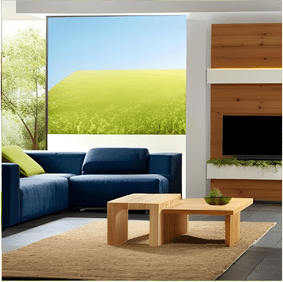
Create a minimalistic living room by choosing functional and comfortable furniture pieces that embody simplicity. Keep the room free from unnecessary clutter and maintain open spaces. Opt for a monochrome or neutral color palette to create a serene atmosphere. Incorporate natural elements, such as indoor plants or organic textures, to bring a sense of tranquility and connection with the outdoors.
Minimalist Bedroom
Design a minimalist bedroom that promotes relaxation and restful sleep. Choose a simple bed frame and bedding that is comfortable and visually pleasing. Minimize the number of decorative items and keep surfaces clutter-free. Utilize storage solutions, such as under-bed storage or built-in closets, to keep belongings organized and out of sight.
Minimalist Kitchen
Create a minimalist kitchen by decluttering countertops and cabinets. Keep only the essential kitchen tools and appliances you regularly use. Opt for a streamlined, cohesive color palette and incorporate clean lines in your cabinet design. Embrace functional and efficient storage solutions to keep your kitchen organized and visually appealing.
Minimalist Bathroom
Design a minimalist bathroom by keeping surfaces clean and clutter-free. Limit the number of toiletries and personal care products on display to maintain a feeling of simplicity. Utilize storage solutions, such as wall-mounted shelves or built-in cabinets, to keep items out of sight. Emphasize minimalistic design elements, such as clean lines and neutral colors, to create a serene and spa-like environment.
Minimalist Home Office
Create a minimalist home office that promotes focus and productivity. Choose a simple and functional desk and chair that provide comfort and ergonomic support. Keep your workspace clutter-free and organized by utilizing storage solutions such as shelving or filing systems. Optimize natural lighting and incorporate plants or natural textures to enhance the sense of calm and well-being.
Inspiring Minimalist Home Design Ideas
Implementing minimalist home design ideas can help you create a space that is visually appealing, functional, and aligned with the principles of minimalism.
Monochrome and Neutral Color Palette
A monochrome or neutral color palette is a staple of minimalist design. Embrace shades of white, beige, gray, or black to create a clean and cohesive aesthetic. These colors create a serene and calming atmosphere and allow other elements of your space to take center stage.
Simple and Functional Furniture
Choose simple and functional furniture pieces that serve their purpose without unnecessary ornamentation. Opt for clean lines, minimalistic shapes, and high-quality materials. Focus on comfort and practicality to ensure your furniture enhances your daily life while maintaining a minimalist aesthetic.
Ample Natural Light and Open Spaces
Maximize natural light in your home to create an open and airy atmosphere. Remove heavy curtains or opt for sheer window treatments that allow light to flood in. Keep windows unobstructed to create a seamless connection with the outdoors. Optimize space utilization by maintaining open pathways and avoiding cluttered and overcrowded areas.
Incorporating Minimalist Art and Decor
Choose artwork and decor pieces that align with the principles of minimalism. Embrace simplicity, abstraction, and negative space in art pieces to create a sense of calm and visual interest. Select decor items that serve a purpose or hold sentimental value, rather than simply adding visual clutter. Remember that less is more when it comes to minimalist art and decor.
By creating a minimalist home, you can experience the joy and benefits of simplicity, tranquility, and mindful living. Embrace the principles of minimalism and cultivate an environment that aligns with your values, promotes your well-being, and enhances your overall quality of life.