Page Navigation
In today’s fast-paced world, maintaining a healthy and balanced diet has become increasingly challenging. However, by understanding the science of eating and incorporating a diverse range of foods into your meals, you can unlock the nutritional superpowers that lie within. This article explores the importance of a varied diet, the benefits it brings to your overall well-being, and how to make mindful food choices that nourish and sustain your body. Discover the transformative power of embracing a diverse diet and embark on a journey towards optimal health and vitality.
The Importance of a Diverse Diet
Understanding Nutritional Superpowers
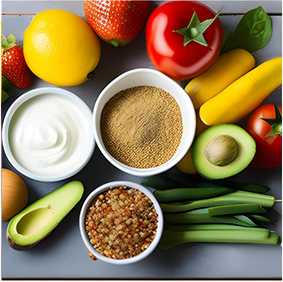
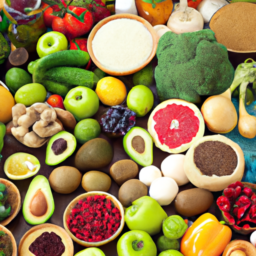
A diverse diet, consisting of a wide variety of foods, is of utmost importance for your overall health and well-being. Each food item possesses its own set of unique nutritional properties that provide different benefits to your body. By including a range of foods in your daily meals, you can access the full spectrum of vital nutrients, also known as “nutritional superpowers,” that are necessary for optimal bodily function.
Impact on Overall Health
Consuming a diverse diet has a significant impact on your overall health. By including a wide range of foods, you can ensure that your body receives all the essential vitamins, minerals, and other nutrients required for proper functioning. A well-rounded diet not only boosts your immune system but also enhances your body’s ability to fight off diseases and infections. Moreover, a diverse diet promotes a healthy heart, supports brain health, and reduces the risk of chronic diseases like obesity, diabetes, and certain types of cancer.
Promoting Healthy Weight Management
Maintaining a healthy weight is crucial for your overall well-being. A diverse diet plays a key role in achieving and maintaining a healthy weight. By including a variety of foods from different food groups, you can provide your body with the necessary nutrients while managing your calorie intake. Consuming a range of fruits, vegetables, whole grains, lean proteins, and healthy fats can help you feel satisfied, curb cravings, and prevent overeating, ultimately contributing to long-term weight management.
The Role of Macronutrients
Carbohydrates: Fueling the Body
Carbohydrates are the primary source of energy for your body. They are broken down into glucose, which is utilized by your cells to perform various functions. Including a mix of complex carbohydrates, such as whole grains, legumes, and vegetables, in your diet ensures a steady release of energy throughout the day. These foods are rich in fiber, which aids in digestion and helps you feel fuller for longer periods, thereby promoting satiety and regulating blood sugar levels.
Protein: Building Blocks of Life
Protein is essential for the growth, repair, and maintenance of your body’s tissues. It is involved in the production of enzymes, hormones, and antibodies, and plays a crucial role in building and maintaining muscle mass. Including a variety of protein sources, such as lean meats, poultry, fish, legumes, and tofu, in your diet ensures that you are getting all the essential amino acids necessary for optimal bodily function.
Fats: Essential for Optimal Function
Contrary to popular belief, fats are an important part of a healthy diet. They provide energy, help absorb fat-soluble vitamins, and support brain health. Including healthy fats, such as avocados, nuts, seeds, and olive oil, in your diet can improve heart health by reducing bad cholesterol levels and promoting the production of good cholesterol. However, it is important to consume fats in moderation as they are calorie-dense.
The Power of Micronutrients
Vitamins: Boosting Immunity and Vitality
Vitamins are essential organic compounds that your body needs in small quantities to function properly. They play a crucial role in boosting your immune system, promoting healthy growth and development, and supporting various bodily functions. Including a variety of fruits, vegetables, whole grains, and dairy products in your diet ensures that you are getting an adequate supply of vitamins A, B, C, D, E, and K, as well as folate and niacin.
Minerals: Supporting Body Functions
Minerals are inorganic compounds that your body needs in small amounts to carry out various physiological functions. They play a vital role in maintaining healthy bones, teeth, muscles, and blood. By including a diverse array of foods such as leafy greens, nuts, seeds, legumes, and dairy products in your diet, you can ensure that your body receives essential minerals like calcium, magnesium, iron, zinc, and potassium.
Antioxidants: Protecting Against Cellular Damage
Antioxidants are powerful compounds that protect your body against damage caused by free radicals, unstable molecules that can harm cells and lead to chronic diseases. By including foods rich in antioxidants like berries, dark chocolate, spinach, and red peppers in your diet, you can help prevent oxidative stress and reduce the risk of conditions such as heart disease, cancer, and neurodegenerative disorders.
Exploring Phytonutrients
Understanding Phytonutrients
Phytonutrients, also known as phytochemicals, are natural compounds found in plants that have numerous health benefits. These compounds give plants their vibrant colors and distinctive flavors. By including a variety of colorful fruits, vegetables, herbs, and spices in your diet, you can harness the power of phytonutrients, which act as antioxidants, reduce inflammation, boost immunity, and support overall health.
Health Benefits of Phytonutrient-Rich Foods
Phytonutrient-rich foods offer a wide range of health benefits. For example, the phytonutrient lycopene, found in tomatoes and watermelons, has been linked to a reduced risk of certain cancers. Similarly, the phytonutrient curcumin, found in turmeric, has powerful anti-inflammatory properties. By including a diverse range of fruits, vegetables, herbs, and spices in your diet, you can maximize the health benefits of phytonutrients and improve your overall well-being.
Rainbow Diet: Embracing the Spectrum of Phytonutrients
The concept of a rainbow diet involves consuming foods of different colors to get a wide range of phytonutrients. Each color represents different phytonutrients and health benefits. For example, red fruits and vegetables are rich in lycopene, while orange and yellow foods contain beta-carotene. Including a variety of colorful foods in your meals not only makes your plate visually appealing but also ensures that you are getting a diverse array of phytonutrients to support your health.
The Gut Microbiome Connection
Gut Microbiome: An Ecosystem Within
The gut microbiome refers to the vast community of microorganisms that reside in your digestive tract. These microbes play a crucial role in maintaining your overall health by aiding in digestion, producing vitamins, regulating metabolism, and supporting immune function. By consuming a diverse diet, you can promote a healthy balance of gut bacteria, which is essential for optimal digestion and nutrient absorption.
Impact of Diet on Gut Health
Your diet has a direct impact on the composition and diversity of your gut microbiome. A diverse diet, rich in fiber from fruits, vegetables, whole grains, and legumes, provides fuel for beneficial gut bacteria, promoting their growth and diversity. On the other hand, a diet high in processed foods and low in fiber can lead to an imbalance in the gut microbiome, potentially contributing to digestive issues, inflammation, and weakened immune function.
Fostering a Healthy Gut Microbiome
To foster a healthy gut microbiome, it is important to consume a diverse range of prebiotic and probiotic foods. Prebiotics, such as onions, garlic, bananas, and asparagus, serve as food for beneficial gut bacteria. Probiotics, found in fermented foods like yogurt, sauerkraut, and kefir, introduce beneficial bacteria directly into the gut. By incorporating both prebiotic and probiotic-rich foods into your diet, you can support a healthy gut microbiome and improve your overall well-being.
The Science Behind Food Pairings
Synergistic Food Combinations
Certain food combinations have synergistic effects, meaning the nutrients in each food work together to enhance their absorption and health benefits. For example, pairing foods rich in vitamin C, such as citrus fruits, with iron-rich foods, like leafy greens, can enhance iron absorption. Similarly, consuming foods high in healthy fats, such as avocado, with fat-soluble vitamins like vitamin E found in spinach, can improve their absorption.
Optimizing Nutrient Absorption
Food pairings can optimize nutrient absorption, ensuring that your body effectively utilizes the nutrients from the foods you consume. For instance, combining sources of vitamin D, such as fatty fish, with foods rich in calcium, like dairy products, can improve calcium absorption and support bone health. By strategically pairing foods in your meals, you can maximize the nutritional benefits and optimize your body’s utilization of essential nutrients.
Enhancing Flavor and Satisfaction
Food pairings not only offer nutritional benefits but also enhance the flavor and satisfaction of meals. Combining different textures, flavors, and colors in a meal can make it more enjoyable and satisfying. For example, pairing sweet fruits with tangy yogurt or adding herbs and spices to dishes can elevate the taste profile and make your meals more appealing. By experimenting with food pairings, you can enhance the sensory experience of eating and make healthy food choices more enjoyable.
The Benefits of Seasonal Eating
Accessing Peak Nutrient Content
Eating seasonally allows you to access the peak nutrient content of fruits and vegetables when they are at their freshest and most abundant. Fruits and vegetables that are in season are generally harvested at the optimal time and transported shorter distances, preserving their nutritional value. By consuming seasonal produce, you can maximize your intake of vitamins, minerals, and phytonutrients, ensuring that you are nourishing your body with the best nature has to offer.
Supporting Local Agriculture
Choosing to eat seasonally also supports local agriculture and the community. When you opt for locally grown produce, you contribute to the local economy and help small-scale farmers thrive. Additionally, seasonal eating reduces the carbon footprint associated with long-distance transportation of produce, promoting environmental sustainability. By embracing seasonal eating, you can make a positive impact on both your health and the local community.
Enhancing Sustainability
Seasonal eating is inherently more sustainable as it reduces the demand for out-of-season produce that relies heavily on energy-intensive methods of cultivation, storage, and transportation. When you consume locally sourced, seasonal foods, you minimize the environmental impact associated with industrial agricultural practices. By aligning your eating habits with the natural cycles of the seasons, you can contribute to a more sustainable and eco-friendly food system.
Understanding Food Allergies and Intolerances
Differentiating Allergies and Intolerances
Food allergies and intolerances are often used interchangeably, but they refer to distinct conditions. Food allergies involve an immune response triggered by specific proteins in food, leading to immediate symptoms such as hives, swelling, or difficulty breathing. On the other hand, food intolerances typically result from an inability to digest certain foods or substances, often leading to delayed symptoms like bloating, diarrhea, or headaches.
Common Food Allergens and Intolerances
Several common food allergens and intolerances exist, including dairy, gluten, nuts, shellfish, and soy. These foods contain proteins or substances that can trigger immune reactions or digestive issues in susceptible individuals. Understanding and identifying your specific allergies or intolerances is crucial for managing your diet and avoiding triggering foods. Working with a healthcare professional or registered dietitian can help in identifying and developing appropriate dietary modifications.
Adapting and Thriving with Dietary Restrictions
Managing food allergies or intolerances requires adapting your diet to exclude the offending foods or substances while still ensuring proper nutrition. With careful planning and attention to alternative food choices, it is possible to maintain a varied and balanced diet even with dietary restrictions. Exploring alternative ingredients, trying new recipes, and seeking support from online resources or support groups can assist in adapting to and thriving with dietary restrictions.
The Impact of Processed and Ultra-Processed Foods
Uncovering the Hidden Dangers
Processed and ultra-processed foods have become commonplace in modern diets, but they often come with hidden dangers. These foods usually undergo extensive processing, resulting in the removal of essential nutrients and the addition of unhealthy additives, preservatives, and artificial flavors. Regular consumption of processed and ultra-processed foods has been linked to an increased risk of obesity, heart disease, type 2 diabetes, and other chronic health conditions.
Negative Effects on Health
The high levels of added sugars, unhealthy fats, and sodium found in many processed and ultra-processed foods can have detrimental effects on your health. These foods often lack important dietary fiber, vitamins, and minerals, leading to imbalances in nutrient intake. Additionally, the additives and preservatives used in these foods may have negative effects on the gut microbiome and overall well-being. Minimizing the consumption of processed and ultra-processed foods is essential for optimal health.
Making Conscious Food Choices
To reduce the intake of processed and ultra-processed foods, making conscious and informed food choices is crucial. Reading labels and ingredient lists can help you identify hidden additives and make more informed decisions about the foods you consume. Opting for whole, unprocessed foods whenever possible, such as fresh fruits and vegetables, whole grains, lean protein sources, and healthy fats, can greatly benefit your health and well-being. Prioritizing home-cooked meals and minimizing reliance on convenience foods is also an effective strategy.
Practical Tips for Achieving a Diverse Diet
Include a Variety of Food Groups
To achieve a diverse diet, aim to include foods from all major food groups in your meals. Incorporate fruits, vegetables, whole grains, lean proteins, and healthy fats into your daily meals to ensure that you are providing your body with a wide range of nutrients. Additionally, be mindful of the colors and textures of the foods you consume, as this can indicate the presence of different nutrients and phytonutrients.
Experiment with New Ingredients and Recipes
Expanding your culinary horizons and trying new ingredients and recipes can help you increase the diversity of your diet. Explore different cuisines and cooking techniques to discover new flavors and incorporate a wider range of foods into your meals. Don’t be afraid to experiment with herbs, spices, and seasonings to add depth and variety to your dishes. Embracing culinary creativity can make healthy eating enjoyable and sustainable.
Meal Planning for Nutritional Balance
Meal planning is an effective strategy for achieving a diverse diet and ensuring nutritional balance. Take the time to plan your meals in advance, incorporating a mix of different food groups and flavors. This allows you to make intentional choices and ensures that you have all the necessary ingredients on hand. Meal prepping in bulk can further streamline your efforts and make it easier to maintain a diverse and nutritious diet throughout the week.
In conclusion, a diverse diet is vital for maintaining optimal health and well-being. By understanding the nutritional superpowers of different foods, including macronutrients and micronutrients, embracing phytonutrient-rich foods, supporting a healthy gut microbiome, exploring food pairings, adopting seasonal eating habits, and being mindful of food allergies and intolerances, you can make conscious choices to promote a more diverse and nutritious diet. By prioritizing whole, unprocessed foods and minimizing the consumption of processed and ultra-processed foods, you can optimize your health and unlock the full potential of the nutritional superpowers found in the foods you eat.