
Page Navigation
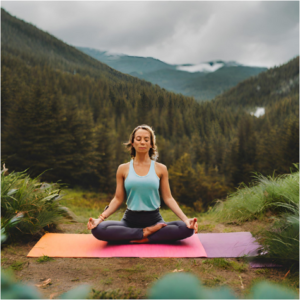
Immerse yourself in the serene beauty of the natural world as you discover the transformative power of practicing yoga amidst the elements. In this article, you will explore the harmonious fusion of yoga and nature, experiencing the profound connection between body, mind, and the environment around you. Through integrating the age-old wisdom of yoga with the nourishing energies of the great outdoors, you will embark on a journey that cultivates tranquility and balance, revitalizing your spirit and enhancing your overall well-being. Escape the confines of a traditional studio and embrace the innate harmony of nature as you embark on this transformative yogic adventure.
Benefits of Practicing Yoga in Nature
Connecting with the natural environment
Practicing yoga in nature allows you to deeply connect with the natural environment around you. The sights, sounds, and smells of the outdoors create a truly immersive experience, enhancing your overall yoga practice. Whether it’s the gentle rustling of leaves, the soft chirping of birds, or the refreshing scent of wildflowers, these natural elements can help create a sense of tranquility and peace that is often difficult to find indoors.
Enhancing mindfulness and presence
Being in nature during your yoga practice can help enhance mindfulness and presence. The distractions and stresses of everyday life often melt away when immersed in a serene outdoor setting, allowing you to fully focus on your breath, movements, and the present moment. Practicing yoga in nature fosters a deep connection between your mind, body, and surroundings, creating a sense of heightened awareness and clarity.
Strengthening physical and mental well-being
The physical benefits of yoga are well-known, but practicing yoga in nature can take these benefits to a whole new level. The uneven terrain, varying surfaces, and natural obstacles provide a unique challenge for your body, helping to improve balance, coordination, and strength. Additionally, the calming effect of nature can enhance mental well-being by reducing stress, anxiety, and promoting a positive mindset. The combination of physical exertion and mental relaxation that comes with outdoor yoga can leave you feeling rejuvenated and energized.
Choosing the Right Outdoor Yoga Location
Considering accessibility and safety
When choosing an outdoor yoga location, it’s important to consider accessibility and safety. Look for a location that is easily accessible and not too far from your home or workplace. Ensure there are no hazards or obstacles that may pose a risk during your practice, such as uneven terrain, slippery surfaces, or nearby busy roads. Safety should always be a top priority when practicing yoga, even in the natural elements.
Exploring various natural settings
Nature offers a vast array of settings that are perfect for outdoor yoga. From the beach to the mountains, forests to meadows, there is a multitude of options to explore. Each natural setting provides its own unique ambiance and energy, allowing you to tailor your practice to your preferences. Experiment with different locations to find the one that resonates with you and makes you feel most connected to the natural world.
Finding a peaceful and serene environment
One of the key benefits of practicing yoga in nature is the tranquil and peaceful environment it provides. Look for a location that offers minimal distractions and a sense of serenity. Choose a spot that allows you to fully immerse yourself in your practice, away from the hustle and bustle of everyday life. Whether it’s a secluded meadow, a quiet forest clearing, or a peaceful lakeside spot, finding a serene environment can greatly enhance your outdoor yoga experience.
Preparing for Outdoor Yoga Sessions
Selecting suitable clothing and accessories
When practicing yoga outdoors, it’s important to select clothing and accessories that are suitable for the environment and weather conditions. Choose breathable and lightweight clothing that allows for ease of movement and comfort. Consider wearing clothing in natural fibers that align with the essence of nature. Additionally, don’t forget to bring a hat, sunscreen, and insect repellent to protect yourself from the elements.
Checking weather conditions beforehand
Before heading out for your outdoor yoga practice, always check the weather conditions in your area. Ensure that the weather forecast is conducive to a safe and enjoyable practice. Take into account factors such as temperature, rain, wind, and lightning. If the weather conditions are not favorable, it’s best to postpone your outdoor yoga session or find an alternate location. It’s important to prioritize your safety and well-being while practicing in nature.
Bringing essential items like mats and props
To ensure a comfortable and effective outdoor yoga practice, it’s essential to bring necessary items such as yoga mats and props. Opt for lightweight and portable options that are easy to carry and set up. Look for eco-friendly and sustainable options to align with the principles of yoga and nature. Additionally, consider bringing a water bottle, towel, and any personal items that will support your practice and keep you comfortable throughout.

Adapting Yoga Poses to the Outdoors
Modifying poses for uneven terrain
Outdoor yoga often involves practicing on uneven terrain, which requires some modifications to traditional poses. For example, in standing poses, you may need to adjust your footing to find stability on uneven ground. In balancing poses, you can use natural objects like tree trunks or rocks for support and balance. It’s important to listen to your body and make adjustments that feel safe and comfortable, while still challenging yourself.
Using natural surroundings for support and balance
Nature provides numerous opportunities to use the surroundings for support and balance in your yoga practice. For example, you can use a tree for support in standing poses or a rock as a prop for seated poses. Taking advantage of these natural props can deepen your practice and provide a unique connection to the environment. However, always ensure that the objects you use are stable and safe before incorporating them into your practice.
Incorporating the elements into your practice
Practicing yoga in nature allows you to incorporate the elements into your practice. Embrace the breeze during your sun salutations, let the earth support and ground you in your seated poses, and take inspiration from the flowing water in your vinyasa flow. You can even incorporate invigorating breathwork exercises, known as pranayama, to harness the energy of the wind. By embracing the elements, you can create a truly immersive and transformative yoga experience.
Practicing Meditation and Mindfulness Outdoors
Utilizing natural sounds and sensations for focus
Practicing meditation and mindfulness outdoors provides a unique opportunity to utilize natural sounds and sensations for focus. Instead of relying on guided meditation apps or music, you can tune in to the sounds of birds chirping, leaves rustling, or waves crashing. Immerse yourself in the sensations of the sun warming your skin or the coolness of the earth beneath you. By using these natural elements as anchors, you can deepen your practice and cultivate a profound sense of presence.
Engaging all senses to deepen the experience
Outdoor yoga allows you to engage all your senses, enriching your practice and deepening the overall experience. As you move through your practice, take time to observe the colors, textures, and shapes of your surroundings. Inhale deeply, taking in the scents of the flowers or the earth. Allow yourself to be fully present in the moment, embracing the sensory feast that nature has to offer. Engaging all your senses will help you cultivate a deeper connection to the natural world and your own inner self.
Finding stillness and tranquility in the surroundings
The stillness and tranquility of nature can greatly enhance your meditation and mindfulness practice. As you settle into your meditation, allow the peacefulness of your surroundings to seep into your being. Embrace the solitude and silence, letting go of distractions and worries. The serenity of nature creates a fertile ground for inner reflection and contemplation. Embracing this stillness can lead to a greater sense of peace, clarity, and connection to your true self.
Exploring Yoga Retreats in Natural Settings
Benefits of attending a yoga retreat
Attending a yoga retreat in a natural setting offers a multitude of benefits for your overall well-being. The focused and immersive environment of a retreat allows you to fully dedicate yourself to your practice, free from the distractions of daily life. In addition, the serene and peaceful surroundings of nature create an ideal backdrop for self-reflection and self-discovery. Retreats often include a variety of yoga classes, meditation sessions, and workshops, providing a holistic experience that nurtures both the mind and body.
Different types of retreats available
Yoga retreats in natural settings come in various forms, catering to different preferences and needs. Some retreats focus on specific yoga styles or disciplines, while others offer a more diverse range of practices. There are retreats focused on meditation, mindfulness, or even specific aspects of yoga, such as yoga philosophy or Ayurveda. Consider your goals and interests when researching retreats to find one that aligns with your preferences and allows you to deepen your practice in a natural and nurturing environment.
Finding the perfect retreat location
Finding the perfect yoga retreat location is crucial for a transformative experience. Consider the landscape and natural surroundings when choosing a retreat. Are you drawn to the peacefulness of mountains, the vastness of the ocean, or the tranquility of a forest? Research different retreat centers and read reviews from past participants to get a sense of the atmosphere and overall experience. It’s important to choose a retreat that resonates with your soul and provides the ideal setting for your yoga journey.

Dealing with Challenges in Outdoor Yoga
Managing distractions and interruptions
When practicing yoga in nature, it’s inevitable that you may encounter distractions and interruptions. From the sound of passing cars to curious wildlife, these external factors can disrupt your focus and flow. The key is to approach these challenges with patience and acceptance. Acknowledge the distractions without judgment and gently bring your attention back to your breath and practice. Over time, you’ll learn to navigate these interruptions and develop a deeper sense of focus and concentration.
Navigating unpredictable weather conditions
Outdoor yoga puts you at the mercy of Mother Nature, and unpredictable weather conditions can sometimes pose challenges. Sudden rain showers, gusts of wind, or extreme temperature changes can impact your practice. It’s important to be prepared for these situations by checking the weather forecast beforehand and dressing appropriately. If the weather turns unfavorable during your practice, adapt your routine accordingly or seek shelter to ensure your safety.
Maintaining focus amidst natural elements
Practicing yoga outdoors means being surrounded by the elements, which can be both inspiring and distracting. The beauty of nature may captivate your attention or the wind may sway your focus off balance. To maintain focus amidst natural elements, cultivate a sense of inner stillness and concentration. Use the breath as an anchor, allowing it to guide you through each pose. Remember that distractions are a part of the outdoor experience, and the practice lies in finding balance within them.
Safety Tips for Outdoor Yoga
Being aware of potential hazards and risks
When practicing yoga in nature, it’s important to be aware of potential hazards and risks. Take the time to familiarize yourself with the area and identify any potential dangers such as uneven terrain, loose rocks, or thorny plants. Be cautious of any wildlife that may be present and keep a safe distance, respecting their natural habitat. By being mindful of your surroundings and taking necessary precautions, you can ensure a safe and enjoyable outdoor yoga practice.
Practicing caution on uneven surfaces
Outdoor yoga often involves practicing on uneven surfaces, which can increase the risk of trips or falls. Take extra precaution when moving from one pose to another and pay attention to your footing. Use your core muscles to stabilize your body on unstable ground and be mindful of your alignment. If necessary, modify the poses to suit the terrain and ensure your safety throughout your practice.
Taking necessary precautions in wildlife areas
When practicing yoga in wildlife areas, it’s important to respect the natural habitat and take necessary precautions. Avoid disturbing or approaching wildlife and keep a safe distance. Familiarize yourself with any specific guidelines or regulations for the area you are practicing in. By respecting the natural environment and its inhabitants, you can ensure a harmonious coexistence and a positive outdoor yoga experience.
Environmental Awareness and Sustainability
Respecting and preserving natural habitats
As yogis, it’s important to respect and preserve the natural habitats where we practice yoga. Avoid stepping on delicate plant life or disturbing natural features such as rocks or tree stumps. Leave no trace of your presence by taking any trash or belongings with you when you leave. By practicing yoga with a reverence for the natural world, we can help protect and preserve these precious environments for future generations.
Leaving no trace and practicing responsible outdoor behavior
When practicing yoga in nature, it’s essential to leave no trace and practice responsible outdoor behavior. This means cleaning up after yourself, packing out any trash, and leaving the space as pristine as you found it. Respect any rules or regulations in place for the area you are visiting, such as restricted access or protected zones. By upholding these principles, we can contribute to the preservation of our natural surroundings and promote sustainable outdoor practices.
Supporting eco-friendly and sustainable yoga practices
Incorporating eco-friendly and sustainable practices into your outdoor yoga can further deepen your connection with nature. Choose eco-friendly yoga mats made from sustainable materials, such as natural rubber or cork. Opt for reusable water bottles and avoid single-use plastics. Support eco-conscious yoga brands and studios that prioritize sustainability in their operations. By aligning your yoga practice with environmentally conscious choices, you can contribute to a more sustainable and harmonious world.

Bringing the Benefits of Outdoor Yoga Indoors
Creating a calm and nature-inspired indoor practice space
If practicing yoga outdoors is not always feasible, you can still bring the benefits of nature indoors by creating a calm and nature-inspired practice space at home. Choose a quiet area with ample natural light, if possible. Decorate the space with plants, natural materials, and soothing colors that evoke the essence of the outdoors. Consider using essential oils or natural scents to enhance the atmosphere. By creating a tranquil environment, you can recreate the serenity and connection with nature that outdoor yoga offers.
Utilizing resources like nature sounds and imagery
To enhance your indoor yoga practice, utilize resources like nature sounds and imagery. Play recordings of birdsongs or ocean waves to create a soothing ambiance. Hang photographs or paintings of natural landscapes to visually transport yourself to the outdoors. These sensory cues can help create a connection to nature even when practicing within the confines of your home.
Incorporating elements of nature into daily routines
Bringing the benefits of outdoor yoga indoors can extend beyond your practice on the mat. Incorporate elements of nature into your daily routines to nourish your connection with the natural world. Take a walk in a nearby park or garden to surround yourself with greenery and fresh air. Practice mindfulness while eating, savoring the flavors and textures of natural, whole foods. By integrating nature into your daily life, you can continue to experience the grounding and calming effects of outdoor yoga, no matter where you are.
In summary, practicing yoga in nature offers a multitude of benefits for physical, mental, and spiritual well-being. By choosing the right outdoor location, preparing appropriately, adapting poses, and practicing mindfulness, you can fully immerse yourself in the natural environment and deepen your yoga practice. It’s important to prioritize safety, be aware of potential hazards, and practice responsible outdoor behavior. Environmental awareness and sustainability are essential, both on the mat and in the choices we make. And if practicing yoga outdoors isn’t always possible, you can still bring the tranquility and balance of nature into your indoor practice. Embrace the benefits of outdoor yoga and open yourself to the transformative power of the natural elements.