Page Navigation
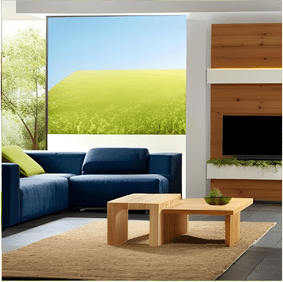
Imagine walking into a home that feels like a breath of fresh air, surrounded by the soothing colors and textures of nature. From the vibrant greens of foliage to the warm hues of wood, incorporating natural elements into your home’s aesthetic can create a serene and inviting atmosphere. By seamlessly blending the outdoors with your indoor spaces, you can bring a touch of tranquility into your everyday life. In this article, we will explore innovative ways to embrace nature’s palette and transform your home into a peaceful sanctuary.
Benefits of Incorporating Natural Elements
Brings a sense of calm and tranquility
Incorporating natural elements into your home can bring a sense of calm and tranquility to your living space. The soothing presence of nature has a way of creating a serene atmosphere, allowing you to escape from the stresses of daily life. Whether it’s the warmth of wood, the coolness of stone, or the softness of plant-based fibers, these natural elements can transform your home into a peaceful oasis.
Creates a connection to the outdoors
One of the greatest benefits of incorporating natural elements into your home is the connection it creates to the outdoors. By bringing elements like wood, stone, and plant-based fibers inside, you can blur the boundary between your indoor and outdoor spaces. This connection to nature can foster a sense of harmony and well-being, helping you feel more grounded and connected to the world around you.
Enhances overall well-being
Living in an environment that incorporates natural elements can have a positive impact on your overall well-being. Research has shown that exposure to nature can reduce stress, improve mood, and boost productivity. By surrounding yourself with natural materials, colors, and textures, you can create a space that promotes relaxation, happiness, and overall mental and physical health.
Promotes sustainability and eco-friendliness
Incorporating natural elements into your home not only benefits you personally but also promotes sustainability and eco-friendliness. Using materials like wood, bamboo, and cork is a more environmentally conscious choice compared to synthetic materials. By opting for renewable and biodegradable resources, you can reduce your carbon footprint and contribute to a greener future.
Choosing Natural Materials
Wood
Wood is a versatile and timeless natural material that can bring warmth and character to your home. From hardwood floors to wooden furniture, the natural grain and texture of wood add a touch of elegance and craftsmanship to any space. Additionally, using responsibly sourced and sustainably harvested wood ensures that your design choices align with environmental values.
Stone
Stone is another excellent natural material choice that can add a sense of sophistication and durability to your home. From granite countertops to marble accents, incorporating stone elements can elevate the overall aesthetic and create a lasting impression. Moreover, stone is known for its resilience and low-maintenance properties, making it a practical choice for both indoor and outdoor applications.
Bamboo
Bamboo is a sustainable and eco-friendly natural material that has gained popularity in recent years. It is known for its rapid growth and renewability, making it an excellent alternative to traditional hardwood. Bamboo can be used in various applications, including flooring, furniture, and even decorative accents. Its light color and distinctive grain patterns add a touch of natural beauty to any space.
Cork
Cork is a unique natural material known for its resilience, insulation properties, and sustainable sourcing. It can be used as flooring, wall coverings, or even as a versatile design element in furniture and accessories. Cork’s soft, warm look and feel create a cozy and inviting atmosphere while also reducing noise and providing a comfortable surface to walk on.
Plant-based fibers
Incorporating natural fibers like cotton, linen, jute, and hemp into your home can add texture, softness, and a touch of eco-consciousness to your design. These plant-based fibers make excellent choices for upholstery, curtains, rugs, and other textile applications. Not only are they natural and renewable, but they also add depth and visual interest to your space.
Incorporating Natural Colors
Earthy tones
Earthy tones, such as warm browns, soft greens, and muted yellows, can create a sense of harmony and tranquility in your home. These colors mimic the hues found in natural landscapes and can evoke a feeling of being immersed in nature. Whether you choose these tones for your walls, furniture, or accessories, they can infuse your space with a serene and grounded ambiance.
Neutral palettes
Neutral palettes consisting of whites, creams, grays, and beiges provide a versatile foundation for incorporating natural elements and allow them to take center stage. These colors create a blank canvas on which the beauty of wood, stone, and plant-based materials can shine. Furthermore, neutral palettes can create a sense of spaciousness and promote a calm and relaxing atmosphere.
Inspiration from landscapes
Drawing inspiration from natural landscapes can be a creative way to incorporate natural colors into your home’s aesthetic. For example, you can choose blues and greens reminiscent of the ocean or sky, or warm yellows and oranges inspired by a sunset or a sandy beach. These colors can be used as accents in artwork, textiles, or even painted surfaces, bringing the beauty of the outdoors inside.
Subtle pops of color
While natural colors tend to dominate when incorporating natural elements, adding subtle pops of color can create visual interest and depth. For instance, a vibrant green plant in a room with earthy tones can invigorate the space and add a fresh burst of energy. The key is to use these pops of color sparingly and in a way that complements the overall natural aesthetic without overpowering it.
Bringing Nature Indoors with Plants
Choosing the right plants for your space
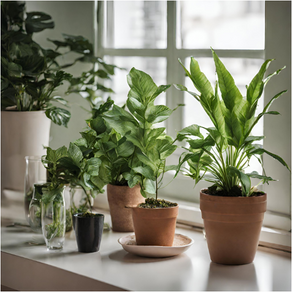
When bringing nature indoors, it’s essential to choose the right plants that thrive in your specific space. Consider factors such as lighting conditions, humidity levels, and your ability to provide proper care and maintenance. If you have a sunny window, plants like succulents or tropical foliage plants may be suitable. In low-light areas, consider plants like snake plants or pothos that can tolerate lower levels of light.
Creating a green oasis
A green oasis can be created by strategically placing plants throughout your home. By incorporating various sizes, shapes, and leaf textures, you can create depth and visual interest. Consider grouping plants together to create a lush, jungle-like corner or scattering them individually around your space for a more subtle effect. A green oasis can bring a sense of vibrancy, freshness, and life to your home.
Décor ideas with indoor plants
Incorporating indoor plants doesn’t have to be limited to placing them in pots on the floor. Get creative and explore different ways to incorporate plants into your décor. Hanging plants from the ceiling, creating a living wall with a vertical garden, or using plants as centerpiece displays can all add a unique touch to your home while bringing nature closer to you.
Caring for indoor plants
Caring for indoor plants is essential to ensure their health and longevity. Understanding the specific needs of each plant, such as watering frequency, light requirements, and humidity levels, is crucial. Regularly checking the soil moisture, trimming dead or dying leaves, and providing adequate sunlight are necessary tasks to keep your indoor plants thriving. Taking care of plants can be a rewarding and therapeutic experience, adding to the overall well-being they bring to your home.
Natural Lighting and Views
Maximizing natural light
Maximizing natural light in your home not only enhances the aesthetic appeal but also has numerous benefits for your well-being. Arrange furniture and decor in a way that doesn’t obstruct the flow of natural light and consider light-colored walls and window treatments that allow light to penetrate. Mirrors strategically placed can help bounce and reflect light, making your space feel brighter and more spacious.
Using skylights and large windows
Skylights and large windows are excellent ways to flood your home with natural light. By allowing sunlight to enter from above or from expansive windows, you can create a connection to the outdoors and make your space feel more open and airy. Skylights can bring sunlight into interior spaces that may not have access to windows, while large windows offer panoramic views and a seamless transition between indoor and outdoor environments.
Creating views to nature
Creating views to nature is another way to incorporate natural elements into your home. Position furniture or seating areas near windows that provide scenic views of your surroundings. Whether it’s a lush garden, a tranquil lake, or a majestic mountain range, framing these views with well-placed furniture and decor can create a sense of serenity and allow you to enjoy the beauty of the outdoors from the comfort of your home.
Window treatments that embrace natural light
Choosing window treatments that embrace natural light is essential to maintain a connection to the outdoors while ensuring privacy and control over sunlight. Sheer curtains or blinds that can be easily adjusted allow natural light to filter in while still providing protection from glare and excessive heat. Opting for natural materials like bamboo blinds or linen curtains can add to the overall natural aesthetic of the space.
Natural Textures and Patterns
Embracing tactile experiences
Incorporating natural textures into your home is a wonderful way to engage your sense of touch and create a tactile experience. From the roughness of stone to the smoothness of wood, the textures found in natural elements add depth and sensory appeal to your surroundings. Consider using textured materials in upholstery, rugs, and even wallpaper to create a cozy and inviting atmosphere.
Incorporating natural textures in furniture and accessories
Furniture and accessories made from natural materials can bring a sense of authenticity and uniqueness to your home. Look for pieces crafted from wood, rattan, or wicker to add natural textures and a touch of organic beauty. Furthermore, incorporating accessories made from materials like ceramic, clay, or woven fibers can further enhance the natural aesthetic and create a harmonious and well-balanced space.
Integrating patterns inspired by nature
Nature is an abundant source of inspiration for patterns in interior design. Whether it’s floral motifs, leaf patterns, or animal prints, incorporating patterns inspired by nature can add visual interest and a touch of whimsy to your space. Consider using these patterns in textiles such as curtains, throw pillows, or upholstery to create a connection with the natural world and infuse your home with a sense of vitality.
Using organic shapes and forms
Incorporating organic shapes and forms in your home can further enhance the natural aesthetic. Look for furniture with curved lines or irregular shapes that mimic the fluidity and asymmetry found in nature. Consider adding accessories like vases or sculptures that feature organic forms, such as smooth pebbles or branches, to bring a touch of the outdoors into your interior space.
Blending Outdoor and Indoor Spaces
Terraces and balconies as extensions of the interior
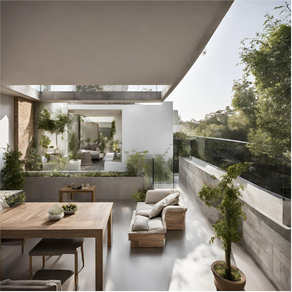
Blending outdoor and indoor spaces can be achieved by treating terraces and balconies as extensions of the interior. By creating a seamless transition between these spaces, you can expand your living area and blur the boundaries between indoor and outdoor environments. Consider using similar materials, colors, and furnishings to maintain visual continuity and create a cohesive design that flows effortlessly.
Creating seamless transitions
Creating seamless transitions can be achieved by using materials and design elements that bridge the gap between indoor and outdoor spaces. For example, using the same flooring material indoors and outdoors or using large glass doors that can be fully opened can create a smooth transition between the two areas. The goal is to create a unified space that feels like a natural extension of your home.
Outdoor furniture and decor for indoor use
Incorporating outdoor furniture and decor indoors can add an unexpected and unique touch to your home’s aesthetic. Woven rattan chairs, natural fiber rugs, or even potted plants can be used to bring a sense of nature and outdoor relaxation inside. Additionally, outdoor accessories like cushions, lanterns, or decorative objects made from natural materials can add texture and create a cozy, inviting atmosphere.
Opening up the home to natural surroundings
Opening up your home to natural surroundings can be achieved by designing large windows, glass walls, or sliding doors that provide unobstructed views. By inviting nature to become a part of your daily life, you can create a sense of harmony and well-being. This design approach allows natural light, fresh air, and the sights and sounds of nature to permeate your home, creating an uplifting and tranquil environment.
Water Elements
Indoor water features
Indoor water features can add a calming and refreshing touch to your home. Whether it’s a small tabletop fountain, a wall-mounted waterfall, or a tranquil pond, the sound and sight of flowing water can create a soothing ambiance. Indoor water features can be incorporated into your living room, bedroom, or even bathroom, providing a peaceful focal point and enhancing the overall natural aesthetic.
Aquariums and fish tanks
Aquariums and fish tanks not only bring the beauty of aquatic life into your home but also provide a sense of tranquility and relaxation. The vibrant colors and graceful movements of fish can create a captivating and peaceful atmosphere. Whether it’s a small desktop aquarium or a large built-in tank, incorporating these water elements can bring a sense of serenity and wonder into your interior space.
Natural stone and water combinations
Combining natural stone with water elements can create a harmonious and visually striking design feature in your home. Water can flow over or around natural stone surfaces, such as countertops, walls, or even decorative sculptures, adding a captivating and organic touch to your space. The juxtaposition of these elements creates a sense of balance and reminds us of the powerful and transformative nature of water.
Houseplants with water requirements
Certain houseplants thrive in moist environments and can be incorporated into your home’s water elements. Plants like ferns, peace lilies, or lucky bamboo can be placed near water features, benefiting from the increased humidity and adding a touch of lushness to the surroundings. This combination of water elements and plants creates a natural and tranquil atmosphere that promotes a sense of well-being and relaxation.
Incorporating Natural Art and Accessories
Nature-inspired paintings and prints
Nature-inspired paintings and prints can bring the beauty of the outdoors into your home and add a sense of tranquility and wonder. Whether it’s a landscape painting, a botanical illustration, or an abstract representation of nature, incorporating these artworks can create a focal point and serve as a visual reminder of the natural world. Choose pieces that resonate with your personal connection to nature and complement your overall design aesthetic.
Displaying sculptures and pottery
Sculptures and pottery inspired by nature can add a touch of elegance and craftsmanship to your home. Look for pieces that evoke natural forms such as twisted branches, flowing waves, or delicate flowers. These three-dimensional artworks can be displayed as standalone pieces or incorporated into curated vignettes with other natural elements, adding depth and character to your space.
Using natural materials in home accessories
Using home accessories made from natural materials can further enhance the natural aesthetic of your home. Consider incorporating items like woven baskets, wooden trays, or ceramic vases into your decor. These pieces not only add functionality and practicality but also convey a sense of authenticity and timelessness. By opting for accessories made from natural materials, you can create a cohesive and harmonious design that speaks to your love for nature.
Showcasing collected natural treasures
Showcasing collected natural treasures can be a personal and meaningful way to incorporate natural elements into your home. Whether it’s seashells from a beach vacation, pebbles from a hiking trail, or pressed flowers from your garden, these items can be displayed in glass jars, shadow boxes, or as part of a curated gallery wall. By displaying these treasures, you create a unique and personal connection to the natural world that reflects your experiences and memories.
Practical Considerations
Maintenance and cleaning tips
Incorporating natural elements into your home requires proper maintenance and cleaning to ensure their longevity and appearance. Wood surfaces may need regular polishing or refinishing, while stone surfaces may require sealing and periodic cleaning with appropriate products. Additionally, indoor plants require watering, pruning, and occasional fertilizing to stay healthy. Being mindful of these practical considerations will help you enjoy the benefits of natural elements without compromising their beauty and functionality.
Balancing natural elements with other design styles
Incorporating natural elements into your home doesn’t mean you have to limit yourself to a specific design style. Natural elements can be seamlessly integrated into various design aesthetics, whether it’s minimalist, bohemian, or Scandinavian. The key is to strike a balance between natural elements and other design elements, such as colors, patterns, and materials, ensuring a cohesive and harmonious overall look.
Considering allergies and sensitivities
When incorporating natural elements, it’s essential to consider any allergies or sensitivities you or your household members may have. Some natural materials, like certain woods or plant-based fibers, can trigger allergic reactions in sensitive individuals. It’s important to research and choose materials that are hypoallergenic or less likely to cause allergic symptoms. Additionally, using non-toxic cleaning products and avoiding the use of pesticides in indoor plants can help maintain a healthy environment.
Respecting local flora and fauna regulations
Respecting local flora and fauna regulations is crucial when incorporating natural elements into your home. Certain plants, woods, or natural materials may be protected or regulated due to conservation efforts. Before using any specific natural materials, check with local authorities, consult reputable sources, or work with professionals to ensure compliance with regulations and promote ecologically responsible choices.
By incorporating natural elements into your home, you can create a space that brings a sense of calm, enhances well-being, and establishes a connection with the outdoors. From choosing natural materials to embracing natural colors, textures, and lighting, there are countless ways to infuse nature into your home’s aesthetic. By carefully selecting plants, incorporating water elements, and showcasing natural art and accessories, you can create an environment that nurtures your soul and embraces sustainability. Remember to consider practical considerations, balance natural elements with other design styles, and respect local regulations to ensure a holistic and responsible approach to incorporating natural elements into your home’s design.