Page Navigation
In today’s fast-paced world, finding harmony between our personal values and our everyday lives can be a daunting task. However, when it comes to creating a home environment that reflects our true essence, the journey towards sustainability and style doesn’t have to be a compromise. By curating a space that is both aesthetically pleasing and aligned with our values, we can foster a sense of empathy and connection with our surroundings. Discover the key elements to crafting a sustainable style that not only showcases your unique personality but also contributes positively to the planet.
The Importance of Sustainable Style
In today’s world, where the effects of climate change and environmental degradation are becoming more evident, it is crucial to consider the impact of our everyday choices on the planet. One area where we can make a significant difference is in the way we design and decorate our homes. Sustainable style is not just a trend; it is a way of life that allows us to create a home environment that reflects our values and helps protect the earth for future generations.
Creating a Home Environment that Reflects Your Values
Your home is a reflection of who you are and what you believe in. By embracing sustainable style, you can create a living space that aligns with your values and showcases your commitment to a healthier planet. Whether it’s through using natural materials, supporting ethical and fair trade practices, or choosing eco-friendly decor, each decision you make in your home design has the potential to make a positive impact on the environment and inspire others to do the same.
Considering the Environmental Impact
When it comes to designing a sustainable home, it is essential to consider the environmental impact of the materials and products you use. Traditional furniture and decor items are often made from non-renewable resources, contribute to deforestation, and release harmful chemicals into the air. Sustainable style, on the other hand, focuses on using eco-friendly materials that are sourced responsibly, produced with minimal environmental harm, and have a reduced carbon footprint.
Supporting Ethical and Fair Trade Practices
In addition to considering the environmental impact, sustainable style also emphasizes supporting ethical and fair trade practices. By choosing products that are made ethically, you can ensure that workers are paid fair wages, work in safe conditions, and are not exploited. This commitment to ethical production extends beyond the interior decor of your home and sends a powerful message to companies that value human rights and social justice.
Essential Elements of Sustainable Style
When it comes to embracing sustainable style, there are several essential elements to consider. Each of these elements contributes to creating a home environment that is not only visually appealing but also environmentally conscious.
Choosing Eco-Friendly Materials
One of the fundamental aspects of sustainable style is using eco-friendly materials. Opt for furniture and decor items made from sustainable materials such as bamboo, reclaimed wood, or recycled metal. These materials not only have a lower impact on the environment but also add a unique and natural touch to your home’s aesthetic.
Opting for Long-lasting and Durable Furnishings
Sustainable style encourages investing in long-lasting and durable furnishings. By choosing high-quality pieces that will stand the test of time, you reduce the need for constant replacements and, in turn, reduce waste. Look for furniture made with solid construction, sturdy materials, and timeless designs that will stay relevant for years to come.
Prioritizing Local and Handmade Products
Supporting local artisans and craftsmen is another essential element of sustainable style. By purchasing locally made products, you minimize the carbon emissions associated with transportation and support the local economy. Handmade items also have a unique and personal touch, adding character and charm to your home.
Embracing Minimalism and Decluttering
A key aspect of sustainable style is embracing minimalism and decluttering your living space. By reducing the number of belongings you own, you not only create a visually clean and uncluttered home but also minimize your overall environmental footprint. Donate or sell items you no longer need or use, and prioritize quality over quantity when making new purchases.
Sustainable Style in Different Areas of Your Home
Sustainable style can be incorporated into every area of your home, from the living room to the bedroom, and even your home office. By applying sustainable principles to each space, you create a harmonious and environmentally conscious home.
Sustainable Living Room Design
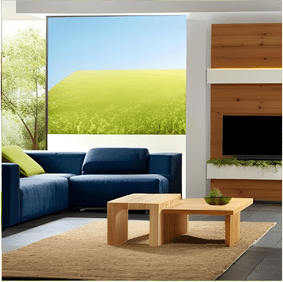
In the living room, opt for eco-friendly furniture made with sustainable materials such as organic cotton, hemp, or recycled fabrics. Choose sofas and chairs with sturdy frames made from sustainably sourced wood and upholstery made without toxic chemicals. Incorporate natural elements such as plants or a living green wall to improve air quality and enhance the overall ambiance of the space.
Eco-Friendly Bedroom Ideas
When it comes to your bedroom, prioritize organic bedding made from natural fibers such as bamboo or organic cotton. Choose a mattress made with natural latex or organic wool, as these materials are free from harmful chemicals found in conventional mattresses. For furniture, select pieces made with reclaimed or recycled wood to add a rustic and eco-friendly touch to your sleeping oasis.
Green Kitchen and Dining Spaces
In the kitchen and dining areas, focus on using sustainable materials for countertops, backsplashes, and flooring. Opt for recycled glass or salvaged wood for countertops, and choose sustainable flooring options such as bamboo or cork. Use eco-friendly cleaning products and invest in energy-efficient appliances to reduce your environmental impact in the heart of your home.
Creating a Sustainable Home Office
When designing a home office, consider using a sustainable desk made from reclaimed or FSC-certified wood. Choose ergonomic and environmentally friendly seating options made with non-toxic materials. Incorporate natural light as much as possible to reduce the need for artificial lighting. Implement energy-saving practices such as using power-saving settings on devices and investing in a smart power strip to reduce standby power consumption.
Sustainable Style Furniture and Decor
Furniture and decor play a crucial role in creating a sustainable home environment. By choosing consciously sourced and eco-friendly options, you can make a significant impact on the planet.
Selecting Sustainably Sourced Wood Furniture
Wood furniture is a staple in many homes, but the sourcing of wood can have significant environmental impacts. To ensure you’re making sustainable choices, look for furniture made from sustainably sourced wood. Look for certifications such as FSC (Forest Stewardship Council) or reclaimed wood options. These choices help protect forests, promote responsible wood production, and reduce deforestation.
Repurposing and Upcycling Furniture
Another sustainable option for furniture is to repurpose or upcycle existing pieces. Rather than discarding old furniture, consider giving it a new lease on life by refinishing, reupholstering, or repainting it. Not only does this save resources and reduce waste, but it also allows you to create unique and personalized pieces that reflect your style.
Eco-Friendly Flooring Options
Flooring is an essential element in any home and can have a significant impact on indoor air quality and the environment. Opt for eco-friendly flooring options like bamboo, cork, or sustainable hardwood from certified sources. These materials are renewable, durable, and can add a touch of natural beauty to your home.
Eco-Chic Lighting and Accessories
When it comes to lighting and accessories, there are plenty of eco-friendly options available. Choose energy-efficient LED bulbs for your lighting fixtures, which not only save energy but also last longer. Look for accessories made from recycled materials such as glass, metal, or plastic. By incorporating eco-chic lighting and accessories, you can add style to your home while staying true to your values.
Incorporating Natural Elements
Bringing nature indoors is a great way to enhance the sustainability and visual appeal of your home. By incorporating natural elements, you create a connection to the outside world and promote a healthy and harmonious living environment.
Bringing in Plants and Greenery
Adding plants to your home is an excellent way to improve air quality, reduce stress, and create a sense of tranquility. Choose indoor plants that are easy to care for and thrive in your home’s specific environmental conditions. From succulents to air-purifying plants, the options are endless. Consider creating a green wall or hanging plants to maximize space and aesthetics.
Using Natural Fibers and Textiles
When it comes to textiles, opt for natural fibers such as organic cotton, linen, or hemp. These materials are eco-friendly, biodegradable, and free from the harmful chemicals often found in synthetic fabrics. Utilize these natural fibers in curtains, bedding, rugs, and upholstery to create a cozy and sustainable home environment.
Emphasizing Natural Light
Maximizing natural light not only reduces the need for artificial lighting but also enhances the overall ambiance of your home. Make the most of natural light by keeping windows unobstructed, using light-colored curtains or blinds, and strategically placing mirrors to reflect natural light throughout your space. Emphasizing natural light not only helps reduce energy consumption but also creates a bright and inviting atmosphere.
Sustainable Color Palettes and Patterns
The colors and patterns you choose for your home can significantly impact its sustainability and overall aesthetic. By opting for eco-friendly paints, natural hues, and sustainable patterns, you can create a harmonious and visually appealing space.
Choosing Eco-Friendly Paints and Finishes
When it comes to painting your home, choose eco-friendly paints and finishes that are low in volatile organic compounds (VOCs). VOCs are harmful chemicals that can be released into the air, contributing to indoor air pollution and health issues. Look for paints that are labeled as low or zero VOC, ensuring a healthier environment for you and your family.
Exploring Natural and Earthy Hues
Natural and earthy hues are not only soothing and timeless but also align with sustainable style. Opt for colors inspired by nature, such as soft greens, warm browns, earthy oranges, and calming blues. These colors create a connection to the natural world and promote a sense of tranquility and harmony within your home.
Integrating Sustainable Patterns and Textures
Incorporating sustainable patterns and textures into your home’s design adds depth and visual interest. Look for textiles made from organic or recycled materials that feature sustainable patterns such as floral motifs, natural fibers, or geometric shapes. These patterns and textures not only add visual appeal but also tell a story of sustainability and conscious consumption.
Environmentally Friendly Cleaning and Maintenance
Maintaining a sustainable home involves more than just the materials and design; it also extends to the cleaning and maintenance practices you implement. By adopting environmentally friendly cleaning practices and energy-saving habits, you can further reduce your ecological footprint.
Adopting Non-Toxic Cleaning Products
Traditional cleaning products often contain harmful chemicals that not only harm the environment but can also pose health risks to you and your family. Opt for non-toxic and biodegradable cleaning products that rely on natural ingredients rather than harsh chemicals. Consider making your own cleaning solutions using everyday household items such as vinegar, baking soda, and lemon juice.
Implementing Energy-saving Practices
Reducing energy consumption is a crucial aspect of sustainable living. Implement energy-saving practices in your home by turning off lights and appliances when not in use, using energy-efficient light bulbs, and investing in a programmable thermostat. Lowering your energy usage not only reduces your carbon footprint but also saves you money in the long run.
Caring for Eco-Friendly Materials
Proper maintenance and care of eco-friendly materials are essential to ensure their longevity. Follow manufacturer recommendations for cleaning and maintenance to avoid damaging sustainable surfaces such as bamboo, cork, or reclaimed wood. By taking care of your eco-friendly materials, you can enjoy their beauty and functionality for years to come.
Creating a Sustainable Garden
Your outdoor space is an extension of your home and provides an opportunity to create a sustainable garden. By implementing eco-conscious practices in your garden, you can grow your own food, conserve water, and support local ecosystems.
Growing Your Own Food
One of the most sustainable practices in gardening is growing your own food. By having a vegetable garden or growing herbs and fruit trees, you reduce your reliance on store-bought produce, lower your carbon footprint, and enjoy the freshest and most nutritious food possible. Consider incorporating companion planting, composting, and organic gardening techniques to further enhance sustainability.
Implementing Water Conservation Strategies
Water conservation is crucial in maintaining a sustainable garden. Implement strategies such as collecting rainwater, using drip irrigation systems, and opting for native plants that are well-suited to your climate. These practices not only conserve water but also promote healthy soil and reduce the need for chemical fertilizers or pesticides.
Using Native Plants and Drought-resistant Landscaping
When selecting plants for your garden, prioritize native species. Native plants are adapted to local conditions and require less water, fertilizer, and maintenance. Additionally, they provide habitat for local wildlife and contribute to biodiversity. Incorporate drought-resistant landscaping techniques such as xeriscaping, which uses minimal water and maximizes natural rainfall.
Eco-Friendly Energy Solutions
Reducing energy consumption and utilizing renewable energy sources is a crucial step in creating a sustainable home. By implementing eco-friendly energy solutions, you can minimize your reliance on fossil fuels and decrease your carbon footprint.
Installing Solar Panels
One of the most effective ways to generate renewable energy is by installing solar panels on your home. Solar panels convert sunlight into electricity, reducing your reliance on the grid and providing a clean and sustainable energy source. While the initial investment may seem significant, the long-term benefits in terms of reduced energy bills and environmental impact make it a worthwhile choice.
Opting for Energy-efficient Appliances
When purchasing new appliances, opt for energy-efficient models that are ENERGY STAR certified. ENERGY STAR appliances are designed to use less energy and water, which not only saves you money but also reduces greenhouse gas emissions. Look for appliances with high energy efficiency ratings and features such as automatic shut-off or energy-saving modes.
Reducing Energy Consumption
Reducing energy consumption should be a priority in every sustainable home. Implement simple practices such as turning off lights and electronics when not in use, using natural light whenever possible, and utilizing power-saving features on devices. Consider investing in energy monitors or smart home technology that allows you to track and control your energy usage.
Promoting Sustainable Consumption Habits
Creating a sustainable home extends beyond the design and materials; it also involves making conscious choices as a consumer. By adopting sustainable consumption habits, you can have a positive impact on the environment and support businesses that prioritize sustainability.
Choosing Secondhand and Vintage Items
When it comes to furnishing your home, consider choosing secondhand or vintage items. Shopping at thrift stores, flea markets, or online platforms allows you to find unique and affordable pieces while reducing waste and promoting a circular economy. Secondhand items often have character and charm, adding a personal touch to your home.
Supporting Local and Sustainable Brands
Supporting local and sustainable brands is another way to promote sustainability in your home. Look for companies that prioritize eco-friendly materials, ethical production practices, and fair trade. By supporting these businesses, you contribute to their growth and send a message to other companies that sustainability is a priority for consumers.
Renting and Sharing Instead of Owning
In a world that values ownership, embracing the concept of renting and sharing can have a significant impact on sustainability. Rather than purchasing items that may only be needed on occasion, consider renting or sharing them. From tools to party supplies, there are numerous platforms that facilitate the sharing economy, allowing you to reduce waste and maximize the use of resources in your community.
By embracing the principles of sustainable style, you can create a home environment that not only reflects your values but also contributes to a healthier planet. From incorporating eco-friendly materials and natural elements to adopting energy-saving practices and supporting sustainable brands, each decision you make has the potential to make a significant impact. So let’s start crafting a home environment aligned with our values and build a sustainable future together.