Page Navigation
In “The Veggie Plate: Crafting Delicious and Wholesome Meals in a Vegetarian Kitchen,” you will explore the art of creating mouthwatering and nutritious meals exclusively in a vegetarian kitchen. This article aims to provide you with valuable insights and practical tips to make the most out of your vegetarian cooking experience. From mastering key cooking techniques to incorporating a wide range of flavors and textures, this comprehensive guide will empower you to create delectable dishes that will leave your taste buds satisfied and your body nourished. Get ready to embark on a culinary journey that celebrates the versatility and deliciousness of vegetarian cuisine.
Overview of Vegetarian Cooking
Vegetarian cooking is a culinary practice that focuses on preparing meals without the use of any animal products, including meat, poultry, and seafood. It not only offers a wide range of health benefits but also provides a sustainable and ethical approach to food consumption. By incorporating various plant-based ingredients, vegetarian cooking can yield delicious and wholesome meals that cater to different dietary preferences and requirements.
Benefits of Vegetarian Cooking
There are numerous benefits associated with vegetarian cooking. Firstly, it promotes a higher intake of vitamins, minerals, and antioxidants through the abundance of fruits, vegetables, whole grains, and legumes that form the basis of a vegetarian diet. By including a diverse range of plant-based ingredients, one can ensure a well-rounded and nutrient-dense meal. Additionally, vegetarian cooking has been linked to reduced risks of chronic illnesses like heart disease, obesity, and certain types of cancer.
Moreover, vegetarian cooking is an environmentally-friendly choice. The production of meat and animal products contributes significantly to greenhouse gas emissions, deforestation, and water pollution. By opting for vegetarian meals, you can significantly reduce your carbon footprint and support the conservation of natural resources.
Key Ingredients in a Vegetarian Kitchen
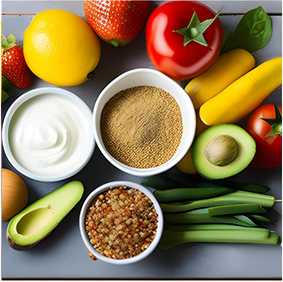
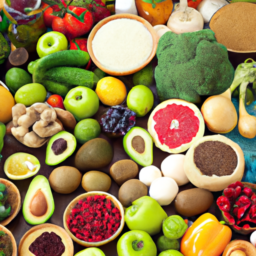
To create flavorful and nutritious vegetarian meals, it is important to keep certain key ingredients in your pantry. These include a variety of fruits and vegetables, which form the foundation of vegetarian cooking. Ingredients such as leafy greens, cruciferous vegetables, tomatoes, avocados, and berries provide essential vitamins and minerals.
Whole grains and legumes are another vital component of vegetarian cooking. These include quinoa, brown rice, lentils, chickpeas, and black beans, which offer protein, fiber, and complex carbohydrates. Nuts and seeds, such as almonds, walnuts, chia seeds, and flaxseeds, are excellent sources of healthy fats and can add a delightful crunch to your dishes.
Herbs and spices are essential for adding depth and flavor to vegetarian meals. Common examples include basil, cilantro, oregano, turmeric, cumin, and paprika. These versatile ingredients can elevate your dishes and bring out the best in your cooking.
Techniques and Methods in Vegetarian Cooking
Vegetarian cooking employs a variety of techniques and methods to create flavorful and satisfying meals. One popular method is sautéing, which involves cooking ingredients in a small amount of oil or plant-based butter over medium heat. This technique is often used to cook vegetables, tofu, and tempeh, providing a delicious caramelization and enhancing their natural flavors.
Another technique used in vegetarian cooking is roasting. This involves placing ingredients, such as vegetables or nuts, in the oven at a high temperature. Roasting allows the ingredients to develop a rich, caramelized flavor and tender texture.
Additionally, boiling and steaming are common methods for cooking vegetables, grains, and legumes. These methods help retain the nutrients and natural flavors of the ingredients while providing a soft and tender texture.
Blending and pureeing are techniques used to create creamy soups, dips, and sauces in vegetarian cooking. Using a blender or food processor, ingredients can be combined to achieve a smooth and velvety consistency.
Essential Kitchen Tools for Vegetarian Cooking
To successfully navigate the world of vegetarian cooking, it is essential to have the right kitchen tools at your disposal. These tools not only facilitate the preparation process but also contribute to achieving desired textures and flavors in your dishes.
A vegetable peeler and mandoline are invaluable tools for slicing and shredding vegetables with precision. Whether you need thin strips of zucchini or perfectly julienned carrots, these tools provide consistency and ease.
Investing in a sharp knife set is crucial for efficiently chopping, dicing, and mincing vegetables and other ingredients. A sharp knife allows for precise cuts, reducing the risk of accidents and ensuring the ingredients are evenly cooked.
A blender or food processor is a versatile tool that aids in making smoothies, purees, and sauces. By blending ingredients together, you can create creamy and flavorful dishes without the need for cream or butter.
For those who enjoy vegetable noodles or spiralized salads, a vegetable spiralizer is an essential tool. This device allows you to transform vegetables like zucchini or sweet potatoes into noodle-like strands, providing a healthy and creative alternative to traditional pasta.
Building a Well-Stocked Pantry
Having a well-stocked pantry is essential for efficient and effortless vegetarian cooking. With a variety of staple ingredients readily available, you can easily whip up a delicious and nutritious meal on short notice. Here are some key items to include in your vegetarian pantry:
Whole grains and legumes provide a solid foundation for vegetarian meals. Stock up on items such as quinoa, brown rice, lentils, chickpeas, and black beans to add texture, protein, and fiber.
A variety of spices and herbs can elevate the flavor profile of your dishes. Essentials include basil, cilantro, oregano, turmeric, cumin, and paprika. Experimenting with different combinations of spices can help create unique and tantalizing flavors.
Assorted nuts and seeds, such as almonds, walnuts, chia seeds, and flaxseeds, are great additions to your pantry. They add texture, healthy fats, and a crunchy element to salads, baked goods, and stir-fries.
Alternative flours and sweeteners are important for baking and cooking. Options like almond flour, coconut flour, and gluten-free flours cater to various dietary preferences. Natural sweeteners like maple syrup, honey, and dates can provide a healthier alternative to refined sugar.
Canned and dried fruits and vegetables are convenient for quick and easy meal preparation. Having options like canned tomatoes, beans, and coconut milk will ensure you have the necessary ingredients on hand.
Planning and Prepping Meals in Advance
Effective planning and prepping can streamline your vegetarian cooking experience and save valuable time during busy weekdays. By dedicating some time to meal planning and prepping in advance, you can ensure a smooth and enjoyable cooking process. Here are some tips and techniques to consider:
Meal planning involves deciding on meals for the week ahead. Consider factors such as dietary preferences, nutritional balance, and available ingredients. With a well-thought-out plan, grocery shopping becomes more efficient, and you can avoid last-minute decisions.
Batch cooking is a technique that involves preparing larger quantities of food and storing them for future use. By cooking large portions of grains, soups, or stews, you can portion them into individual servings and freeze them for quick and convenient meals in the future.
Prepping vegetables in advance can save significant time during meal preparation. Wash, peel, and chop vegetables ahead of time, storing them in airtight containers or bags in the refrigerator. This ensures that vegetables are ready to be incorporated into various dishes without the need for lengthy preparation.
Creating versatile meal components, such as roasted vegetables, cooked grains, or marinated tofu, can enhance the flexibility of your meal options. These components can be used in salads, wraps, stir-fries, or Buddha bowls, providing a diverse range of delicious meals throughout the week.
Breakfast Delights from the Vegetarian Kitchen
Breakfast is often hailed as the most important meal of the day, and vegetarian cooking offers a plethora of delicious and nutritious options to start your morning right. Here are some breakfast delights to try:
Smoothie bowls and breakfast salads are refreshing and vibrant choices for a healthy breakfast. Blend a mixture of fruits, leafy greens, and plant-based milk, and top it with granola, nuts, and seeds for added texture and flavor.
Homemade granola and yogurt parfaits provide a satisfying crunch and a creamy texture. Layer your favorite yogurt, granola, and fresh fruits to create a delicious and protein-packed breakfast option.
Eggless breakfast casseroles can be made using tofu, chickpea flour, or a combination of vegetables. These casseroles offer a savory and filling start to the day and are perfect for feeding a crowd.
Delicious pancakes and waffles can be made using alternative flours such as almond flour, oat flour, or buckwheat flour. Top them with fresh fruits, nut butter, or maple syrup for a sweet and indulgent breakfast treat.
Light and Refreshing Vegetarian Salads
Salads are not only healthy and refreshing but also provide endless opportunities for creativity and experimentation in vegetarian cooking. Here are some ideas for light and refreshing vegetarian salads:
Classic green salads with a twist can be made by combining various leafy greens, such as spinach, arugula, or kale, with a medley of colorful vegetables. Add protein-rich ingredients like roasted chickpeas or tofu to make it a complete meal.
Hearty grain and legume salads are flavorful and filling options for a satisfying lunch or dinner. Combine cooked quinoa, lentils, or bulgur with roasted vegetables, herbs, and a tangy vinaigrette for a delicious and nutritious salad.
Summer fruit and vegetable salads offer a refreshing combination of seasonal produce. Mix fruits like watermelon, strawberries, and peaches with cucumber, mint, and feta cheese for a burst of flavors.
Unique dressings and vinaigrettes can take your salads to the next level. Experiment with ingredients like balsamic vinegar, tahini, lemon juice, garlic, or honey to create a dressing that complements the flavors of your salad.
Satisfying Vegetarian Soups and Stews
Vegetarian cooking offers a wide range of flavorful and satisfying soups and stews that can serve as comforting meals all year round. Here are some options:
Flavorful vegetable-based soups can be made with a variety of ingredients. Combine vegetables like carrots, onions, celery, and tomatoes with vegetable broth and seasonings for a simple yet flavorful soup.
Hearty bean and lentil stews are protein-packed and filling. Combine your choice of beans or lentils with aromatic vegetables, herbs, and spices for a substantial and nutritious meal.
Creamy vegetable bisques provide a velvety and indulgent experience. Blend cooked vegetables, such as butternut squash or cauliflower, with vegetable broth and cream for a smooth and comforting soup.
Creative twists on traditional soups can add excitement and novelty to your vegetarian cooking repertoire. Experiment with ingredients like sweet potatoes, coconut milk, or spices to create unique and delicious flavors.
Creative Vegetarian Main Courses
Vegetarian cooking offers a wealth of options for creative and satisfying main courses. Here are some examples:
Protein-packed tofu and tempeh dishes can be marinated, grilled, stir-fried, or baked to create flavorful and versatile main courses. These meat alternatives can be combined with various seasonings, sauces, and vegetables to create a diverse range of dishes.
Mouthwatering veggie burgers and sliders are a delicious choice for both vegetarians and meat-eaters. Experiment with different bean, vegetable, or grain combinations to create a satisfying patty, and serve it on a bun with your favorite toppings.
Stuffed vegetables and peppers offer an elegant and flavorful main course. Fill bell peppers, zucchini, or portobello mushrooms with a mixture of cooked grains, vegetables, and herbs, and bake them to perfection.
Meatless versions of classic dishes can be just as satisfying and flavorful as their traditional counterparts. Explore recipes for vegetarian lasagna, shepherd’s pie, or meatless meatballs to experience the creativity and versatility of vegetarian cooking.
Savory Vegetarian Side Dishes
In vegetarian cooking, side dishes play an important role in complementing and enhancing the flavors of the main course. Here are some savory vegetarian side dish ideas:
Roasted vegetables with herbs and spices provide a burst of flavor and texture. Toss vegetables like carrots, Brussels sprouts, or sweet potatoes with olive oil, garlic, and your favorite seasonings, then roast them in the oven until golden and tender.
Grilled vegetable kebabs are a delightful and visually appealing side dish. Skewer an assortment of vegetables, such as bell peppers, cherry tomatoes, mushrooms, and zucchini, then grill them to create a smoky and caramelized flavor.
Crispy baked potato wedges make for a crowd-pleasing side dish. Cut potatoes into wedges, season them with herbs and spices, and bake until golden and crispy. Serve with a dipping sauce for an irresistible treat.
Mushroom and vegetable risottos are creamy and indulgent side dishes. Cook Arborio or Carnaroli rice with a mixture of vegetables and vegetable broth, adding in cheese or vegan alternatives for added richness.
Indulgent Vegetarian Desserts
Indulging in desserts can still be a part of a vegetarian lifestyle. By using plant-based ingredients, you can create desserts that are both delicious and satisfying. Here are some ideas for indulgent vegetarian desserts:
Decadent chocolate desserts are a favorite among dessert lovers. Explore recipes for rich chocolate mousse, flourless chocolate cake, or chocolate lava cakes, using vegan chocolate and alternative sweeteners to create a guilt-free indulgence.
Fruit-based pies and tarts offer a lighter and refreshing dessert option. Utilize seasonal fruits like berries, apples, or peaches to create a sweet and tangy filling. Pair it with a homemade crust or a gluten-free alternative for a delightful treat.
Creamy and rich vegan desserts can satisfy even the most discerning sweet tooth. Experiment with coconut milk, cashews, and avocados to create vegan cheesecakes, puddings, or ice creams that are both creamy and satisfying.
Delicious gluten-free treats ensure that everyone can enjoy a delectable dessert. Explore recipes for gluten-free cookies, brownies, or almond flour cakes to cater to those with dietary restrictions without compromising on flavor and texture.
In conclusion, vegetarian cooking offers a diverse and delicious culinary experience that celebrates the abundance of plant-based ingredients. By incorporating a range of fruits, vegetables, grains, legumes, and spices, you can create flavorful and satisfying meals that promote health, sustainability, and ethical consumption. With the right kitchen tools, a well-stocked pantry, and efficient meal planning and prepping, vegetarian cooking can be a joyous and fulfilling journey. So, grab your apron, embrace your creativity, and start crafting delicious and wholesome meals in your very own vegetarian kitchen.